Posted on 05/09/2026 5:42:53 AM PDT by Diana in Wisconsin
Super El Niño 2026, often being referred to as the Godzilla El Niño, is shaping up to be one of the most important climate events of the decade, with early signals pointing to a powerful shift in global weather systems. As La Niña collapses and ocean temperatures rise, this transition is already influencing atmospheric patterns across the Pacific. The result is a growing concern about extreme weather 2026 and how it could reshape seasonal conditions worldwide.
The El Niño global impact is expected to extend far beyond the Pacific, affecting rainfall, temperatures, and storm activity across continents. From rising heat records to shifting jet streams, El Niño 2026 could push the planet into unfamiliar territory. These changes highlight how interconnected ocean and atmosphere systems are, especially during strong climate cycles like this one.
What Causes Super El Niño 2026 Development?
Super El Niño 2026 is taking shape as the result of a rapid La Niña collapse, driven by weakening trade winds and powerful westerly wind bursts. These shifts allow warm surface water to surge eastward across the Pacific, replacing the cooler conditions that defined the previous phase. A massive subsurface warm pool, known as a Kelvin wave, is now rising toward the surface and intensifying temperature anomalies in the Niño 3.4 region, signaling a strong transition.
As this process continues, El Niño 2026 strengthens through an ocean-atmosphere feedback loop, where warming seas reinforce atmospheric changes and vice versa. Surface temperatures in parts of the eastern Pacific are already climbing well above average, setting the stage for a potential super event. This evolving system is closely tied to extreme weather 2026, as shifting ocean heat begins to disrupt jet streams and global circulation patterns.
El Niño Global Impact on Weather Patterns?
The El Niño global impact reshapes weather systems by releasing stored ocean heat into the atmosphere, influencing temperatures worldwide. This warming effect, combined with ongoing climate trends, raises the chances of record-breaking heat across multiple regions. As Super El Niño 2026 develops, its influence is expected to intensify both temperature extremes and shifting seasonal patterns.
At the same time, extreme weather 2026 will not be uniform, with some regions experiencing heavier rainfall while others face drought conditions. These uneven effects highlight how El Niño redistributes heat and moisture across the planet. The result is a complex mix of weather disruptions that can impact agriculture, water supply, and daily life globally.
Rising global temperatures define the El Niño global impact, as heat from the Pacific Ocean transfers into the atmosphere. This process increases the likelihood of record-breaking heat years across continents. Super El Niño 2026 could amplify this effect, pushing global averages higher than previous records. Heatwaves may become more intense and longer-lasting in several regions.
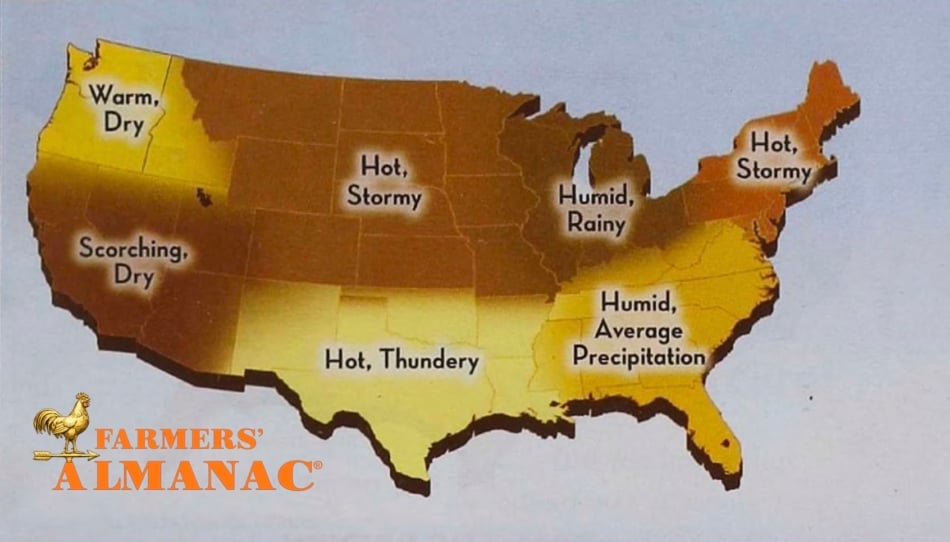
Extreme weather 2026 brings contrasting regional effects, with wetter conditions in some areas and drought in others. The southern United States is likely to experience increased rainfall, while the Pacific Northwest and northern plains may remain unusually dry. These shifts can disrupt agriculture, water resources, and seasonal expectations. Local climates may feel unpredictable as patterns deviate from historical norms.
The El Niño global impact extends beyond North America into Europe, Asia, and Australia. These regions may face erratic weather patterns, including flooding, wildfires, or extended dry periods. The redistribution of heat and moisture creates instability in regional climates. This global reach shows how one oceanic event can influence weather systems worldwide.
I'm more worried about 2027 -- that's the year of the Ginormous Awful Mega King Kong El Niño.
IIRC NO hurricanes hit the US last season.
That after the “experts” predicted we’d get 7 I believe.
Region by region info at the link. Important info for us gardeners! ;)
https://www.farmersalmanac.com/summer-weather-forecast-farmers-almanac
This spring in northern Alabama has been mild.
Hotter would be welcome. We can’t seem to be a month behind weather wise in NE this year.
I heard that Godzilla will be returning in 2027, too! Maybe he and King Kong can duke it out? ;)
What wondrous terms will they come up with??
Growing peppers in pots. Bring it.
I believe everything I read in the “Scince Times!”
Gimme a break. We are well into May and it is still in the 40s at night in Georgia.
Whether it is or not, they will claim hottest loke they do each year
“Super El Niño 2026 could amplify this effect, pushing global averages higher than previous records.” ‘Could’, love it.
I suspect that temperatures will remain below 200 degrees F. so I’m ok with that.
Godzilla El Niño, is shaping up to be one of the most important climate events of the decade............or not........
Then you will finally believe in Global Warming

I’m waiting for Megaladon El Nino!.......
Same time as chem trails. Would you think if they were real, they would have figured a way to do it that wasn’t visible? Just sayin’... ✈😊👍
They always forget about us. AZ LOVES El Nino, they’re cool and wet. Last one we went nearly a month in July and August without hitting 100, it was awesome.
Disclaimer: Opinions posted on Free Republic are those of the individual posters and do not necessarily represent the opinion of Free Republic or its management. All materials posted herein are protected by copyright law and the exemption for fair use of copyrighted works.