Posted on 09/04/2026 10:54:09 AM PDT by DoodleBob
More than one-third of American households rely on natural gas stoves to prepare their meals.
Burning natural gas generates carbon dioxide, which is the main driver of climate change. But cooking on gas stoves is also an under-recognized and important source of indoor air pollution. Combustion of natural gas creates nitrogen dioxide and other compounds that can irritate the lungs.
People with preexisting respiratory conditions, such as the 28 million Americans with asthma, may be especially susceptible. An analysis of more than 40 studies found a correlation between nitrogen dioxide levels and asthma symptoms.
I am a physician and medical researcher, and my colleagues and I recently completed the first study to examine whether replacing gas stoves with electric stoves can improve asthma symptoms.
How we conducted the study
Our study included 85 adults and children with poorly controlled asthma who lived in homes or apartments with gas stoves. Asthma control was determined from responses to a standard questionnaire that asked about specific asthma symptoms, activity limitations and use of rescue medication such as fast-acting inhalers.
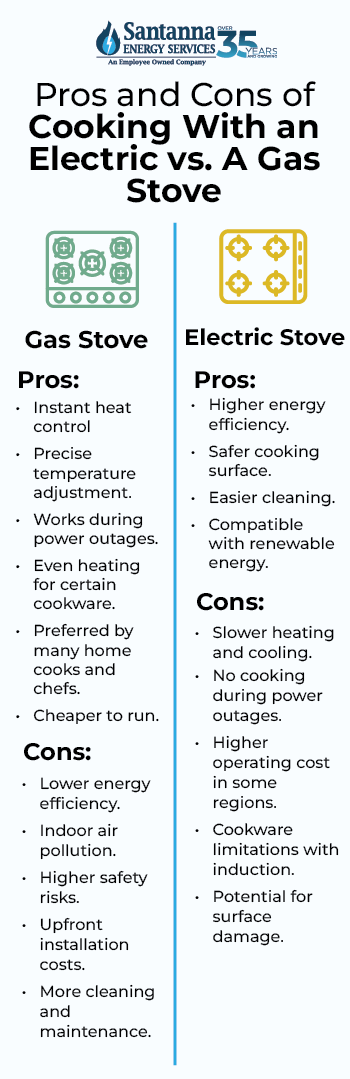
Contractors removed the gas stoves, safely capped the gas lines, installed the necessary electrical outlets and replaced the stoves with electric induction models at no cost to participants. We chose electric induction stoves because they heat up and cool down rapidly, and they are safer and easier to clean than electric coil stoves.
Our research team assessed asthma control based on a questionnaire participants filled out before the stove replacement and again two to three months afterward. We used air quality monitors to measure indoor nitrogen dioxide levels for seven-day periods before and after stove replacement.
From moderate to mild symptoms
The results were striking: Improvements in asthma symptoms following stove change were similar to -- or even greater than -- those reported in clinical trials of commonly used asthma medications.
On average, participants went from having moderate asthma symptoms to having mild symptoms. Emergency room visits and hospitalizations for asthma fell by 70%. Missed days of work or school because of asthma dropped by about 80%. At the same time, indoor levels of nitrogen dioxide decreased by 70%.
These findings suggest that a relatively simple change in the home -- switching from a gas stove to an electric stove -- may lead to meaningful improvements in asthma control for people who are struggling with their symptoms.
And though the natural gas industry advertises gas stoves as being better for cooking, participants in our study preferred their electric stoves. Nearly all -- 98% -- said they were satisfied or very satisfied with their electric induction stove, compared with only 41% who felt that way about their gas stove.
That said, it is worth noting that our study included a relatively small number of participants and followed them for only a few months. The findings may not apply to people with milder asthma symptoms. We also did not include a comparison group that kept their gas stoves.
Potential obstacles
The cost of replacing gas stoves with electric stoves is likely to be a barrier for low-income communities, both in the U.S. and abroad.
In newer American homes, an electric stove and its installation typically costs about $1,500. Most of our study participants lived in homes that were built before 1960, and we spent an average of $7,000 per household to upgrade their electrical systems as part of the study.
But given the potential cost savings from reduced emergency room visits and hospitalizations, it might make sense for governments or health insurers to subsidize the costs of replacing gas stoves with electric ones for patients with poorly controlled asthma.
In developing countries, the high initial cost of new stoves can be a real impediment to switching. Inadequate home wiring and unreliable electrical grids present additional challenges in many places.
But countries with severe air pollution and a high prevalence of lung conditions may find it's worth the cost.
In Ecuador, one program demonstrated that providing subsidies could help the population transition from gas to electric stoves. From 2015 to 2021, the Ecuadorian government subsidized 750,000 households -- one-tenth of all households in the country -- to replace their gas stoves with electric induction stoves. Program uptake correlated with declines in hospitalizations for respiratory illnesses.
What patients and physicians can do
Switching stoves is not a cure for asthma and may not help everyone. People with asthma should continue working with their physicians, taking prescribed medications and reducing exposure to other asthma triggers, such as cigarette smoke, dust mites, pollen and viral respiratory infections.
But about 80% of our study participants experienced meaningful improvements. So people with poorly controlled asthma may consider transitioning away from gas stoves, depending on their resources and circumstances, to ease their symptoms.
Physicians may also want to ask asthma patients about the use of gas stoves and educate them about potential harms. And builders, landlords and restaurant owners may want to think about the types of stoves they install, as that may be a consideration for the future buyers, renters and employees who will cook in their kitchens.
Dear FRiends,
We need your continuing support to keep FR funded. Your donations are our sole source of funding. No sugar daddies, no advertisers, no paid memberships, no commercial sales, no gimmicks, no tax subsidies. No spam, no pop-ups, no ad trackers.
If you enjoy using FR and agree it's a worthwhile endeavor, please consider making a contribution today:
Click here: to donate by Credit Card
Or here: to donate by PayPal
Or by mail to: Free Republic, LLC - PO Box 9771 - Fresno, CA 93794
Thank you very much and God bless you,
Jim
Let the games begin.
Let people buy what they want. End of story.
Yeah, “gas is bad”... yeah well I don’t have to wait 10 minutes for water to boil with gas.
I much prefer gas for cooking as do basically all pro chefs too
Perhaps ventilation will help?
I agree.
Electric stoves are superior. And more popular. https://constructionflux.com/residential-construction/what-is-more-popular-gas-or-electric-stove
According to the 2024 U.S. Residential Energy Consumption Survey (RECS) from the U.S. Energy Information Administration (EIA), 53% of U.S. households use electric ranges, while 41% rely on natural gas. The remaining 6% use propane, induction-only setups, or dual-fuel configurations. That’s a notable shift from 2015, when gas held a narrow 47%–45% edge over electric.
exactly
I love my gas stove
I have an electric stove, it is a step down from gas, one can adapt to its failings but why should people be constantly forced to have worse everything?
Turn off your stove.
Problem is over.
Then quit eating.
Asthma is reduced 100%.
I remember when the stove burned gas. There was no talk of climate change or asthma.
True, gas burners can irritate.
But you need induction, not those coils. Those coils are from another age. I mean, why make it better when you can have it worse?
OTH, meat needs gas heat on a grill.
This sounds like global warming deny you a gas stove via asthmatics. 🙄
I have gas and an indoor air quality monitor.
I open all doors and windows when I use the stove. Air quality crashes even with good exhaust fan.
Will shift to electric when I can.
I have never had a gas stove in any of my houses. The reason is that I have never lived where there was a natural gas line in front of my residence since I moved to NH.
Growing up in WNY every house had a natural gas line in front. Here it is only available in the cities.
The three houses I have owned also had heating oil boiler furnaces and some type of wood or pellet stove. The only other options are propane. Electricity is not a great option to heat with around here. It gets too cold for heat pumps.
I agree. Let the market sort it out.
The market benefits from being fully informed.
They're still spewing that lie. Stopped reading there.
My gas has never turned off in a winter storm.
Having alternative means of cooking (without breaking out camping gear and/or the grill and going outside) is a huge win.
These same Dims now want to do away with natural gas. They changed their tune on natural gas as soon as Trump won the 2016 election. The Dims make it impossible to please them, I'm sure by design.
I use electric - because GAS IS NOT AN OPTION where I live. If free to choose, I’d use gas.
Disclaimer: Opinions posted on Free Republic are those of the individual posters and do not necessarily represent the opinion of Free Republic or its management. All materials posted herein are protected by copyright law and the exemption for fair use of copyrighted works.