
Posted on 06/20/2026 12:26:47 PM PDT by NohSpinZone
A decline in car break-ins across Oakland is being welcomed as a public safety win, but it is also contributing to a downturn for some local auto glass repair businesses.
Police data show a sharp drop in vehicle burglaries over the past year. According to the Oakland Police Department’s crime dashboard, car break-ins are down 37 percent year-to-date, comparing May 2025 to May 2026.
At Low Price Auto Glass on San Leandro Street in East Oakland, owner Raj Singh said the decrease has directly impacted a once-reliable portion of his business.
"There is the door glass repair if there is any break-ins or vandalism — that segment of my business has been down about 30 percent," Singh said.
The shop’s five service bays, once frequently filled with vehicles needing repairs from smash-and-grab incidents, are now more often occupied by cars requiring windshield replacements due to road debris.
(Excerpt) Read more at ktvu.com ...
The driving world goes 100% Waymo and there will be no need for parked cars to be broken into. Everyone will just Uber it.
Many years ago a local tire store owner was arrested for dumping nails and screws onto the roads to get more business.
Maybe this Sikh guy and other shop owners will try something similar......... 😆
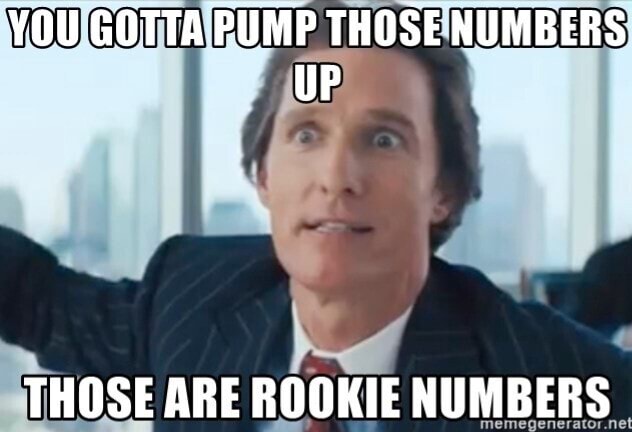
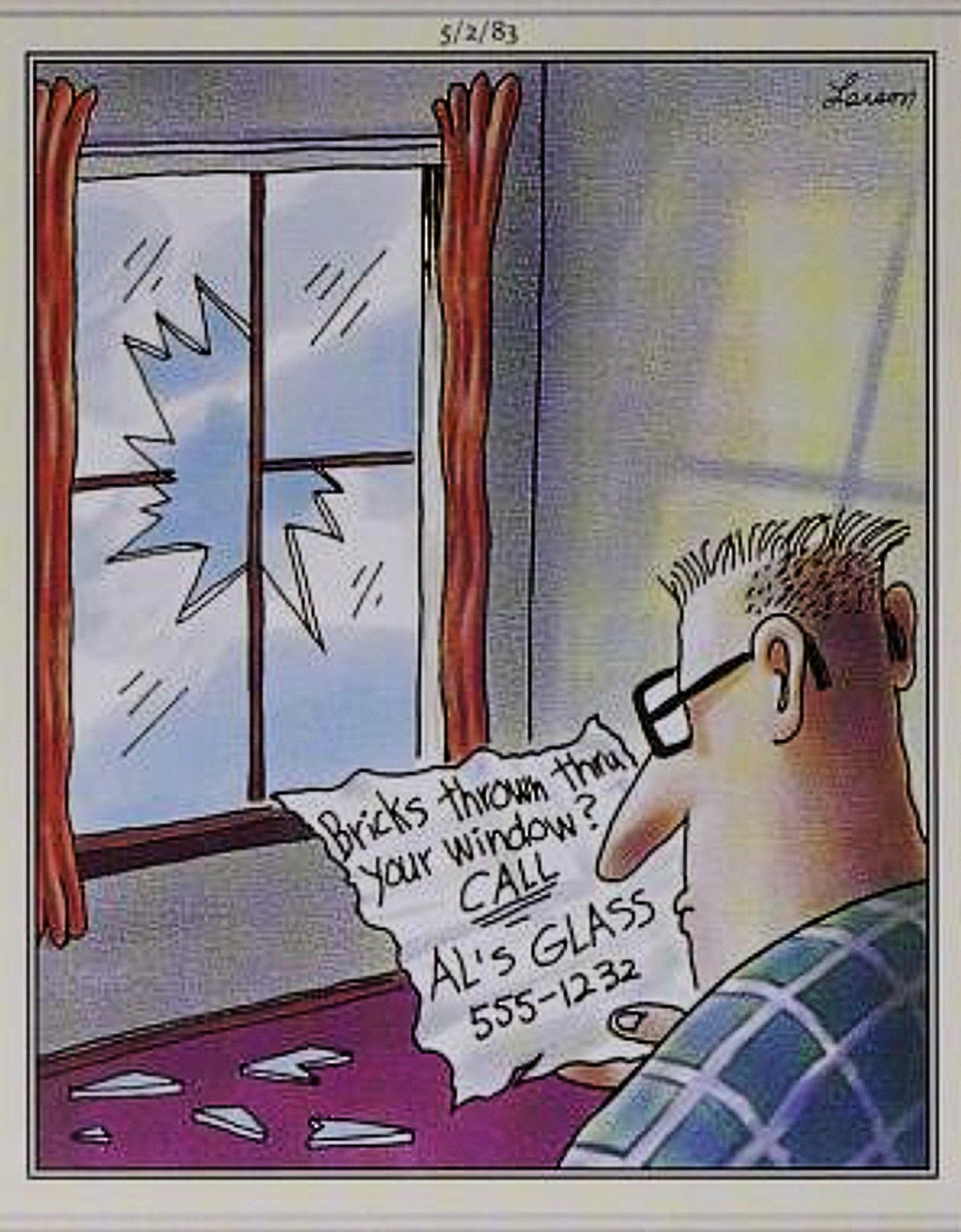
The glass repair shops just have to increase the pay of their “employees thugs” doing the smashing.
Incredible that this lowlife propagandists manage to find negatives in fewer break ins!
That is gold medal trolling...
The shop’s five service bays, once frequently filled with vehicles needing repairs from smash-and-grab incidents, are now more often occupied by cars requiring windshield replacements due to road debris.
Every silver lining has a dark cloud behind it.
At first I thought this story was from Babylon Bee.
‘There is the door glass repair if there is any break-ins or vandalism — that segment of my business has been down about 30 percent,’ Singh said.”
Well, Mr. Businessman! When one part of your business loses profits, you jack up profits in the other sectors.
Yeesh. Business 101. These people!
Oakland, Kalifornia has the distinction of being the only place that an In N Out Burger shop CLOSED.
Two main reasons are 1) the Left and the Homeless Industrial Complex made sure the transients, bums, thugs and zombies had full access to the city, and 2) In N Out could not protect the employees or customers.
Me too!
Do we call this being unstung by The Bee?
No pane, no gain???
but it does explain beautifully why leftists never hear sanity and truth from their media, and why they can’t process it when they hear it from one of us.
“The shop’s five service bays, once frequently filled with vehicles needing repairs from smash-and-grab incidents, are now more often occupied by cars requiring windshield replacements due to road debris.” The culprit has always been road debris.
Parable of the broken window
The “Parable of the Broken Window” is a famous economic illustration by Frédéric Bastiat from his 1850 essay, “That Which Is Seen, and That Which Is Not Seen”. It explains the concept of opportunity cost, arguing that destruction (like a broken window) isn’t a net economic benefit because the money spent on repairs could have been used for something else, creating a hidden loss (the “unseen”) that is ignored by those who only see the visible work (the “seen”). The parable shows that while a vandal creates a job for a glazier, the shopkeeper is left with a repaired window instead of a new pair of shoes he would have bought otherwise, making the community poorer by the value of the shoes.
The story
A boy breaks a baker’s window.
Onlookers see the “seen” benefit: the glazier gets work and money, which he spends, creating a ripple effect of economic activity.
They conclude the boy is a public benefactor because he “stimulated the economy”.
The “unseen” (Bastiat’s point)
The baker now has to spend money on the window repair.
This is money he would have spent on something else, like shoes from the cobbler.
The “unseen” is the lost opportunity: the baker has a window and no new shoes, whereas if the window hadn’t been broken, he would have had both a window and shoes.
The community is poorer by the value of the shoes, not richer.
Key takeaway
The parable teaches that destruction doesn’t create wealth; it only redirects spending and destroys resources.
It highlights the importance of considering the hidden costs (opportunity costs) of actions, a concept later popularized by Henry Hazlitt in “Economics in One Lesson”
gee, that’s just awful, being as how glass repair is one of Oakland’s last thriving business sectors
shall we either
1. go to Oakland and help restore the demand for glass repairs?
2. set up a charitable FundMe collection for the glaziers who are suffering?
3. take up a charitable FundMe collection for the criminals who are having trouble finding more car windows to break in Oakand, windows that they haven’t already smashed?
/s
Didn’t see that one coming.
Disclaimer: Opinions posted on Free Republic are those of the individual posters and do not necessarily represent the opinion of Free Republic or its management. All materials posted herein are protected by copyright law and the exemption for fair use of copyrighted works.