Posted on 03/15/2026 1:43:34 PM PDT by nickcarraway
Research suggests compounds in foods like blackberries and kale can influence brain chemistry tied to motivation and activity — another reminder that what we eat affects more than we realize.
Key Takeaways:
-A 2025 study suggests that astringent, flavanol-rich foods like berries and red wine may stimulate the nervous system through their puckering taste, potentially triggering physiological responses similar to moderate exercise.
-In the study, mice given oral doses of flavanols exhibited increased physical activity, greater exploration, and improved learning and memory compared to a control group.
-Researchers also observed elevated levels of dopamine, norepinephrine, and related compounds associated with motivation, attention, and alertness.
There is plenty of solid science emphasizing the importance of regular exercise. As the Mayo Clinic explains, a consistent workout routine can help with everything from reducing the risk of disease to supporting our mood. But if you simply don't have the time, recent research might suggest something that could help: astringent foods.
In late 2025, researchers from the Shibaura Institute of Technology published their study in the journal Current Research in Food Science, examining the effects of eating astringent foods, which they describe as the "dry, puckering, rough, or sandpapery feeling people notice when eating foods rich in certain plant compounds called polyphenols." Think of foods and drinks like berries and red wine that occasionally make you suck in your cheeks a little.
While the team noted that flavanols — a type of polyphenol — have been linked to a range of positive health outcomes, including lower cardiovascular disease risk and improved memory, what remains less clear is how they influence the human nervous system and brain function, considering that only small amounts of polyphenols are actually absorbed into the bloodstream.
To better understand the effects of flavanols, a team led by Dr. Yasuyuki Fujii and Professor Naomi Osakabe examined "sensory perception" and how this puckery taste itself serves as a signal to the brain. "Flavanols exhibit an astringent taste," Fujii said in the journal Current Research in Food Science. "We hypothesized that this taste serves as a stimulus, transmitting signals directly to the central nervous system (comprising the brain and spinal cord). As a result, it is thought that flavanol stimulation is transmitted via sensory nerves to activate the brain, subsequently inducing physiological responses in the periphery through the sympathetic nervous system."
In plain language, that means they believe the taste sends a message to the brain via your nerves, which then triggers a physical response.
The Greens You Keep Throwing Away Could Support Gut, Metabolic, and Immune Health, Researchers Say To test this, the team gave one group of 10-week-old mice oral doses of flavanols and another group just distilled water to compare the results. They found that the mice that consumed flavanols "showed noticeably higher levels of physical activity, increased exploration, and stronger performance in learning and memory tasks compared with the control group."
These findings, the team broke down, suggest that the flavanols can trigger a "broad" physiological response. Perhaps most interesting of all is the response that resembles physical exercise. That's because the flavanols appeared to function as a "moderate stressor."
"Stress responses elicited by flavanols in this study are similar to those elicited by physical exercise. Thus, moderate intake of flavanols, despite their poor bioavailability, can improve the health and quality of life," Fujii added.
Now, before you abandon your morning Zumba class, keep in mind that this isn't a substitute for exercise, as the team explained that this was simply an observation in their study with mild (at best) outcomes. So take it as merely a fun finding that might inspire you to eat more berries.
And in case you need another reason to eat these foods, the team also discovered that they increased the "levels of dopamine and its precursor levodopa increased, along with norepinephrine and its metabolite normetanephrine in the locus coeruleus-noradrenaline network." Those chemicals, they added, play a major role in "motivation, attention, alertness, and stress regulation." So if nothing else, eating these foods may at least motivate you to get to the gym.
Lauren Manaker MS, RDN, LD, CLEC: Lauren is an award-winning registered dietitian and three-time book author, with more than 22 years in the field.
Hahahaha feel great in head except heart gets no exercise, muscle cells don’t burn any glucose, bones do not get stronger without stress from exercise, arteries don’t get cleaned without heart rate going high,
AOC drinks wine by the case
Kale fits well in any garbage receptacle!
I enjoy a red wine with dinner.
TO ALL: Read my tagline. It is getting late.
I was hoping the article would at least list the foods high in flavanols. However, eating them may be useless if they give you a false sense of exercise and get no benefit.
Drinking wine can replace exercise? Count me in.
Ping
Hey, Thomas Jefferson brough kale here, and grew it in his garden.
Me,too. Next time somebody criticizes my glass of red wine, I’ll tell ‘em I’m working out.
Why do people eat this?? Spinach is so much better.
The response in my brain to eating Snickers, Payday, Drumstick cones and Publix Milk Chocolate Almond ice cream is....happiness.
A guy I heard in the next booth in a small restaurant said.
“I sacrificed what I wanted to eat because I would avoid having to take prescriptions for high blood pressure in my 50s. I found out yesterday I have to go on the prescription now anyway. Just like all the self-indulgent people who enjoyed themselves. I regret my life. I should have just eaten what made me happy like all the rest of them.”
I feel that way about some things. I looked into the future and knew that a total cut down of salt wouldn’t be worth the suffering all my life.
Never smoked or drank alcohol. That was useful.
Mark Russell joke: “If you could only convince young people now that if they gave up smoking they could add two more years someday to life in a nursing facility.”
Heh heh. 6 ounce curls.
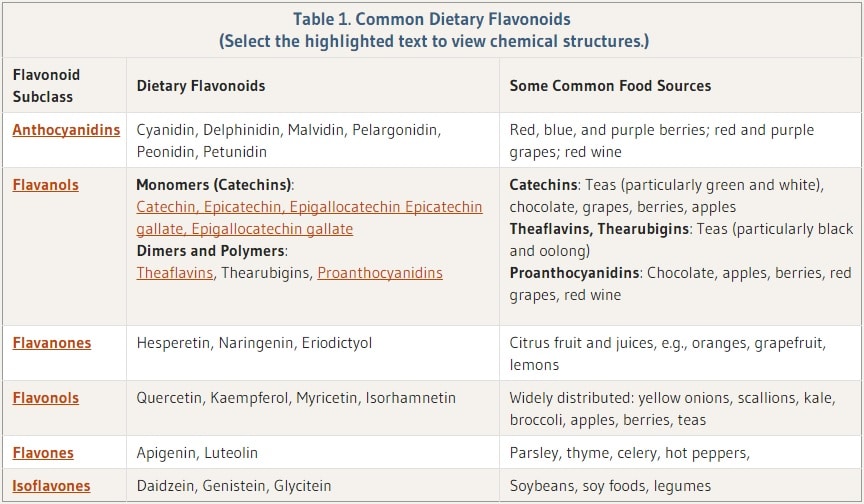
Top 20 foods high in polyphenols per serving, based on their realistic serving size:
1. Wild lowbush blueberries: 1,237 mg
2. Chestnuts: 1,215 mg
3. Blackcurrants: 849 mg
4. Highbush blueberries: 829 mg
5. Filtered coffee: 507 mg
6. Dark chocolate: 472 mg
7. Sweet cherries: 378 mg
8. Blackberries: 374 mg
9. Strawberries: 338 mg
10. Artichoke heads: 333 mg
11. Cloves: 319 mg
12. Black grapes: 255 mg
13. Plums: 249 mg
14. Cocoa powder: 186 mg
15. Apple: 175 mg
16. Tempeh: 148 mg
17. Peppermint: 144 mg
18. Hazelnuts & pecan nuts: 140 mg
19. Red onion: 118 mg
20. Milk chocolate: 104 mg
“I should have just eaten what made me happy like all the rest of them.”
There are a lot of people who were on the health craze that are dying of nothing in hospitals now.
wy69
I can eat it with copious amounts of mustard. Enough so it kills the taste!
And.........drumroll............
Red wine raises your blood pressure. So I switched to Chardonnay.
BKMK
Disclaimer: Opinions posted on Free Republic are those of the individual posters and do not necessarily represent the opinion of Free Republic or its management. All materials posted herein are protected by copyright law and the exemption for fair use of copyrighted works.