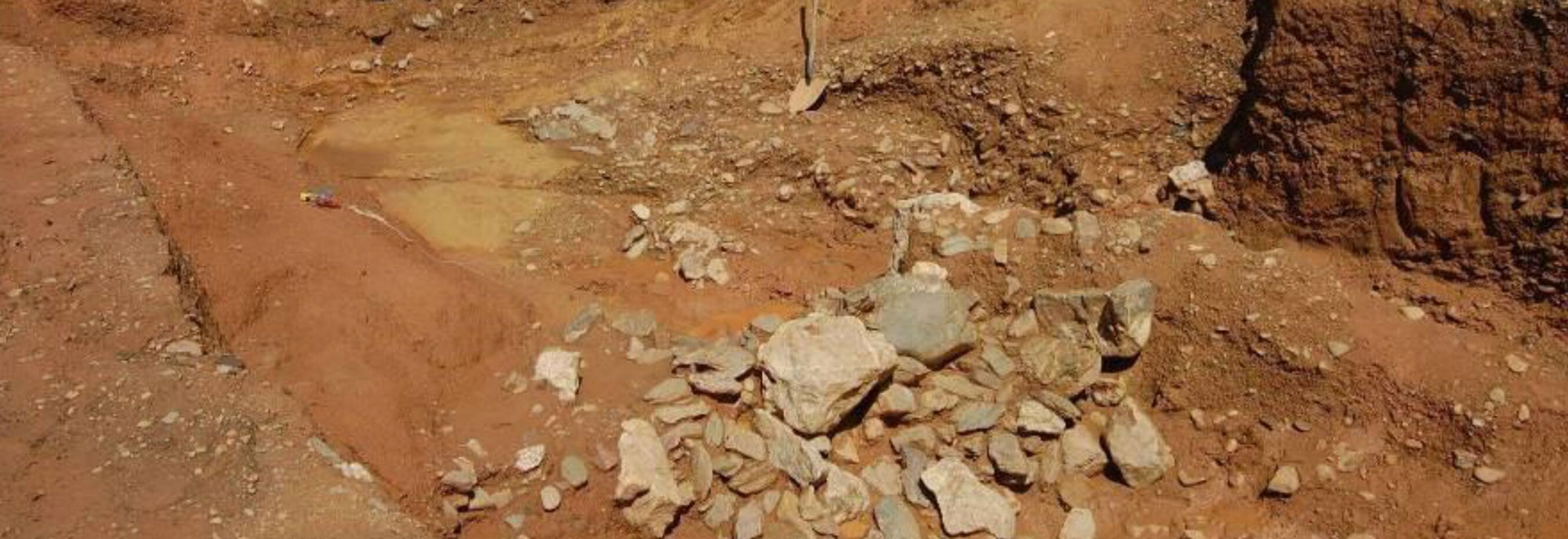
Stone blocks in excavated dam, Girona, SpainSanjurjo-Sánchez et al. 2025, Land
Posted on 03/10/2026 5:37:29 PM PDT by SunkenCiv
According to a statement released by the Autonomous University of Barcelona (UAB), the Romans extracted gold from alluvial deposits in the Eastern Pyrenees. Using optically stimulated luminescence dating techniques, Oriol Olesti Vila of the UAB and Jorge Sanjurjo-Sánchez of the University of A Coruña dated two samples of fill from the remains of an ancient hydraulic structure on the Segre River to the third and fourth centuries A.D. The researchers explained that Roman miners would have eroded gold deposits from the riverbanks with water, and then washed them, either by channeling water through the sediments or flooding the sediments with pressurized water to extract the gold. The mining operation was likely supported by Iulia Livica, the only documented Roman city in the Pyrenees, which was located about six miles away. Read the original scholarly article about this research in Land. To read about Roman exploitation of Iberian silver mines, go to "Spain's Silver Boom."
(Excerpt) Read more at archaeology.org ...
Stone blocks in excavated dam, Girona, SpainSanjurjo-Sánchez et al. 2025, Land
According to a statement released by the University of Gothenburg, six Bronze Age copper, lead, and silver mines have been discovered in southwestern Spain. Previous lead isotope analysis of Bronze Age artifacts unearthed in Scandinavia has determined that much of the metal likely originated in southwestern Spain. "The discovery of the new Bronze Age mines in Extremadura represents only the tip of the iceberg," said Johan Ling of the University of Gothenburg. "In this region -- as well as in Andalusia -- we estimate that as many as 150 prehistoric mines may still remain undocumented and uninvestigated," he added. Some 80 grooved stone axes used to crush and process ore were recovered from one of the six newly identified mines. "This has the potential to fundamentally reshape our understanding of the Bronze Age world system, in which copper mining operated as one of the key engines of the era," Ling concluded. To read about the rich copper mines of ancient Cyprus, go to "In the Time of the Copper Kings."Bronze Age Mines Identified in Spain | Archaeology Magazine | March 3, 2026
Easier to find in those days-slave labor-right? U intellectuals can correct me.
Hydraulic mining was so extensive that a good chunk of the North San Francisco Bay got filled in with the washed-out tailings in the mid- to late 1800s. The scale of hydraulic mining in the Sierra foothills was staggering. Hydraulic mining was banned, one of the first environmental laws in the country.
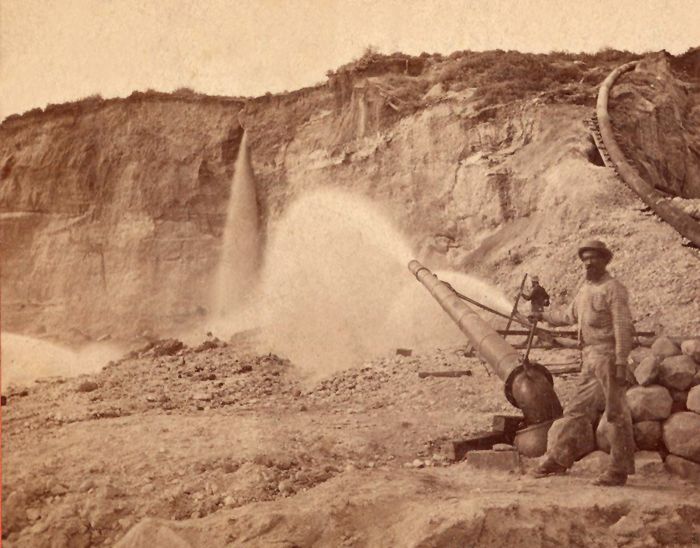
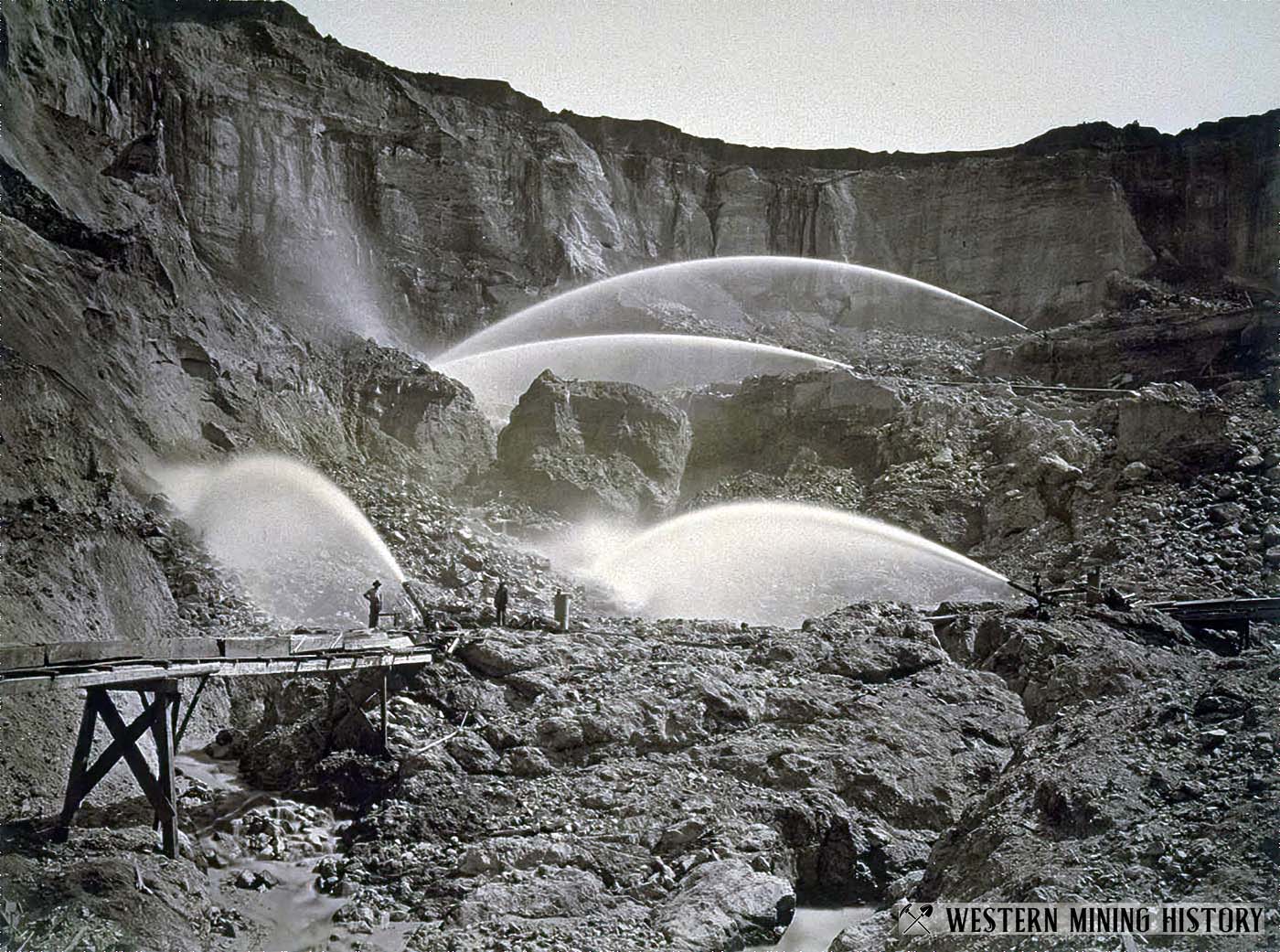
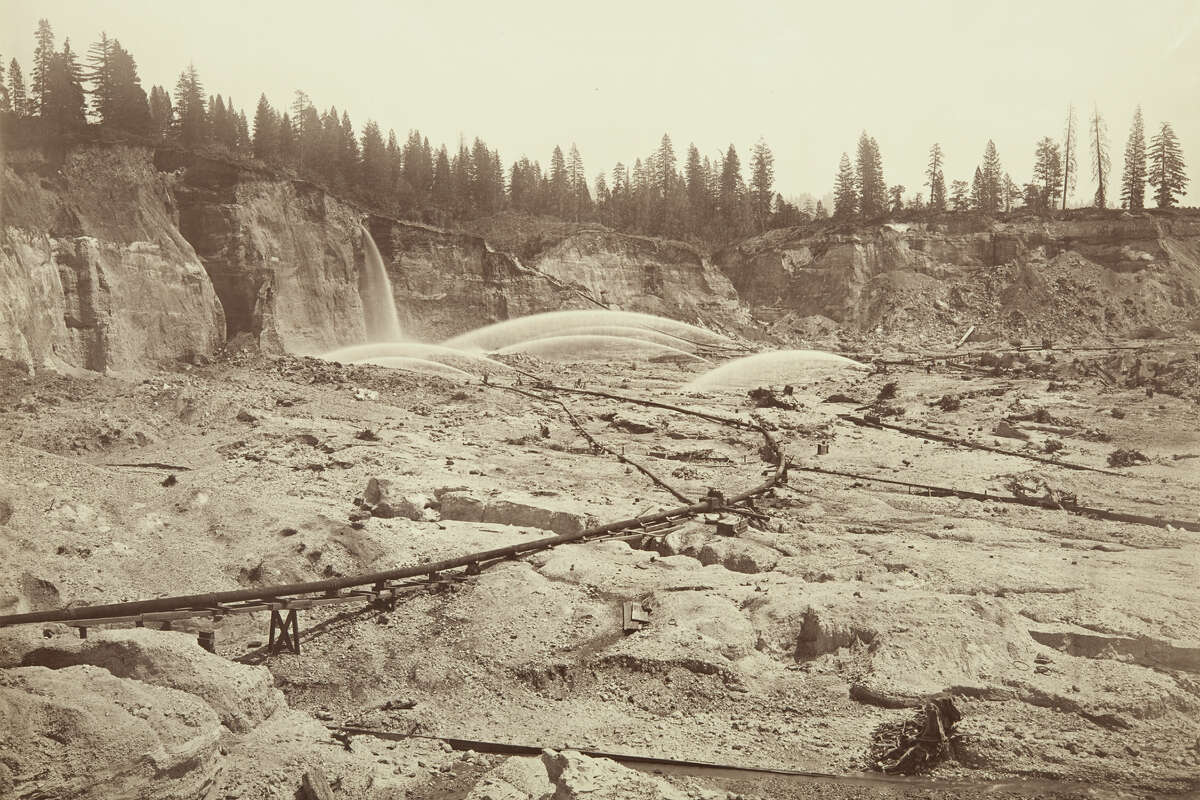
Yup.
See the movie “Pale Rider”
Google Las Medulas: the Romans basically levelled most of a small mountain range in Spain with hydraulic mining to get the gold out.
thx
https://www.verdantexperiences.com/en/las-medulas-the-biggest-gold-mine-of-the-roman-empire/
https://www.imdb.com/title/tt0089767/
I had no idea hydraulic mining was that old. I looked it up in Wiki and it says a precursor using natural flooding or a diverted river was described by Pliny the Elder in the 1st Century BC.
“ the Romans extracted gold from alluvial deposits in the Eastern Pyrenees.”
They better have permits
“Verdant Experiences” looks wonderful! Thanks. The scale of that gold mine is amazing. It looks a lot like the Malakoff Diggings in California.
It’s probably older than that, rooted in panning for gold, it’s just that water management was the Romans’ home run swing.
https://mineralexpert.org/article/hydraulic-mining-placer-gold-monitor
https://www.ancient-history-sites.com/roman/context/economy/mining/
Disclaimer: Opinions posted on Free Republic are those of the individual posters and do not necessarily represent the opinion of Free Republic or its management. All materials posted herein are protected by copyright law and the exemption for fair use of copyrighted works.