Posted on 05/22/2026 3:33:20 PM PDT by nickcarraway
Ancient DNA extracted from human remains in Peru shows that long-distance migration along the Pacific coast began centuries before the Inca Empire expanded into the region.
A study published in Nature Communications traces this movement to at least the 13th century, offering new insight into how coastal communities formed and connected long before any imperial force arrived.
Jacob L. Bongers, an archaeologist at the University of Sydney and lead author of the study, analyzed genome-wide data from 21 individuals buried in the Chincha Valley of southern Peru.
The results show that early inhabitants carried genetic ancestry from populations living about 700 kilometers (435 miles) to the north, on Peru’s north coast.
North coast DNA points to pre-Inca migration in Peru The Chincha Valley was home to a powerful coastal state called the Chincha Kingdom, which at its height had a population exceeding 100,000 people. Its merchants traveled by balsa raft and llama caravan, trading silver, gold, and emeralds across the region.
Grecian Delight supports Greece
The Inca Empire absorbed the kingdom in the early 1400s through a rare negotiated arrangement, and the Chincha were so highly regarded that their lord sat alongside the Inca emperor during the pivotal Cajamarca confrontation with Spanish forces.
Researchers identified several possible reasons for the migration from north to south. Climate events such as El Niño could have pushed people to leave the north coast, while the expanding Chimu polity, which controlled over 1,000 kilometers (621 miles) of Pacific coastline, may have driven some communities southward.
Others may have moved to gain access to seabird guano, copper, and cinnabar mines near Huancavelica. A 16th-century Spanish chronicler, Pedro Cieza de Leon, also recorded that the earliest Chincha people were led by a captain who came from afar, adding historical weight to the genetic findings.
Trade and climate pushed north coast settlers southward The earliest migrants showed unadmixed north coast ancestry. Over subsequent generations, intermarriage with neighboring populations introduced central and south coast ancestry, with one genetic model estimating an 80 percent north coast and 20 percent south coast mix.
At Las Huacas, a major lower valley site, researchers found a family ossuary containing at least two generations of closely related individuals, including a grandfather, father, uncle, and cousin.
The group practiced consanguineous endogamy, repeatedly marrying within a narrow kin network, likely to retain control over shared resources. Researchers suggest this reflects a corporate social unit similar to what Andean sources describe as an ayllu.
Family ossuary at Las Huacas reveals tight endogamous kinship To sharpen the accuracy of radiocarbon dates, the team built individual calibration curves accounting for each person’s marine diet. This confirmed that burials began around AD 1260 and that migration predated any Inca presence in the valley.
Many sampled individuals also shared cultural practices, including cranial modification and postmortem red pigment applied to skulls, both documented on Peru’s north coast.
These shared traditions point to a continuous cultural and biological identity stretching from the 13th to 15th centuries, showing that the coastal networks the Inca encountered were already old and far-reaching.
What it reveals is that no one people “owns” any piece of land. So the ideas of natives being owed anything back after losing lands through wars or selling it off to others, is ridiculous.
There were others there before them that they either took over from or acquired it through goods/trade/purchase treaties.
One thing progressives are sure of: Jewish people and white people don’t own any land.
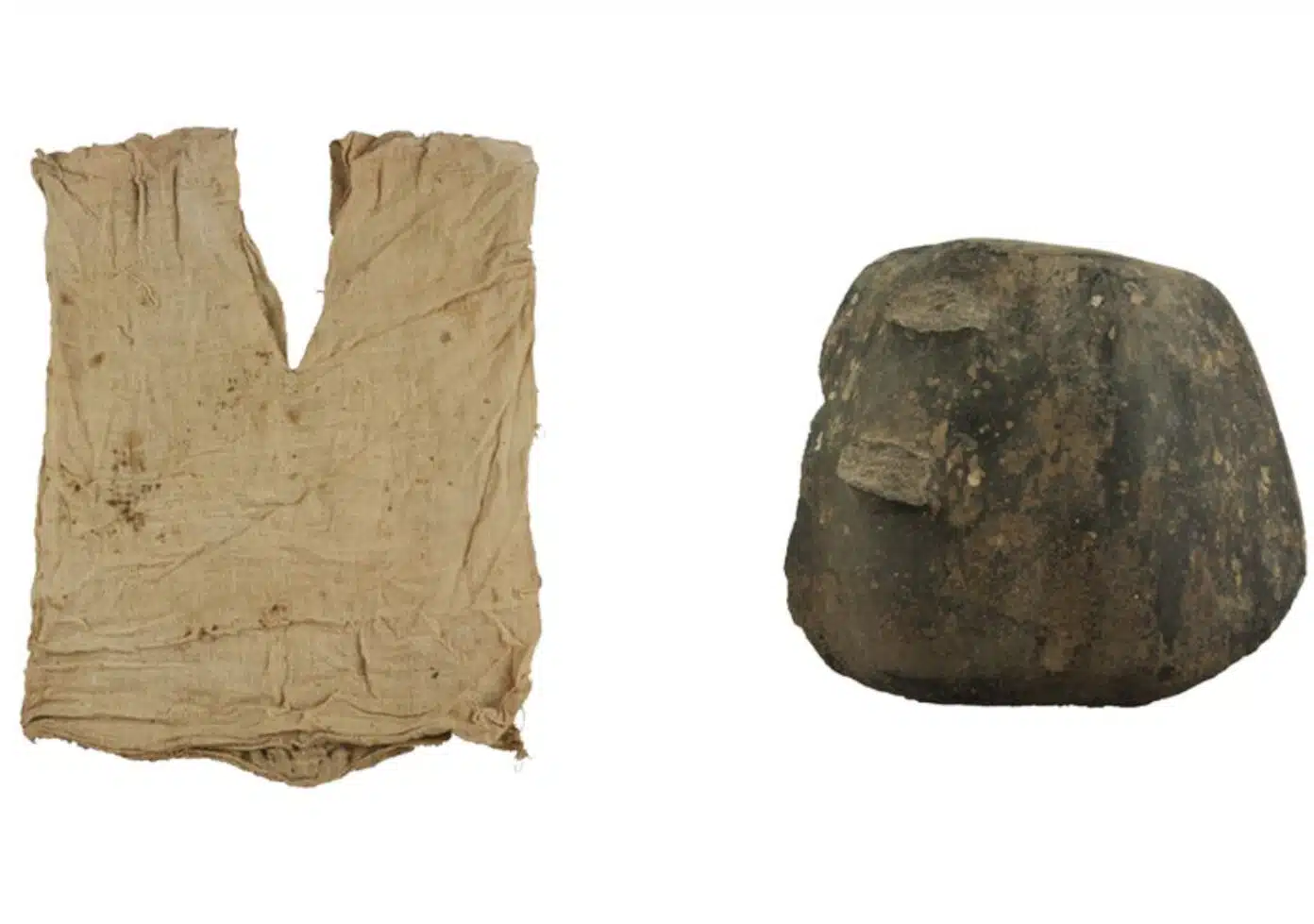
Pants photo....
“I betcha you’re glad you wore cargo pants. Cause they have all those pockets, you know.”
—Ted Danson in the Consumer Cellular ads with the man grabbing elusive money deals from the other phone plans.
I 9ften wondered how South Americans travelled through the Darian Gap
There is at least one exception: the Cherokee.
The broader Cherokee removal from their southeastern homelands (primarily in Georgia, Tennessee, Alabama, and North Carolina) occurred through the Trail of Tears (1838–1839), a forced relocation under the Indian Removal Act of 1830.
The controversial Treaty of New Echota (1835), signed by a small minority faction (the “Treaty Party”) without the approval of the elected Cherokee leadership or most of the tribe. It ceded all Cherokee lands east of the Mississippi River in exchange for land in Indian Territory and payment. The U.S. Senate ratified it narrowly.
Most Cherokees, led by Principal Chief John Ross, strongly opposed it and fought legally (winning a Supreme Court case, which President Jackson ignored).
In 1838, U.S. troops and state militias rounded up thousands of Cherokees into stockades, often with little notice, allowing minimal possessions. They were then marched or transported westward under harsh conditions (disease, exposure, starvation, and violence).
Estimates suggest 15,000–16,000 Cherokees were removed, with roughly 4,000 or more deaths during the journey
I read some years ago about traces of Central American language in a civilized area of South America, perhaps Peru?
That would make sense.
precolumbian languages map
https://search.brave.com/search?q=precolumbian+languages+map&summary=1
Disclaimer: Opinions posted on Free Republic are those of the individual posters and do not necessarily represent the opinion of Free Republic or its management. All materials posted herein are protected by copyright law and the exemption for fair use of copyrighted works.
