Skip to comments.
Possible Early Human Ancestor Femur Uncovered in the Balkans
Archaeology Magazine ^
| March 9, 2026
| editors / unattributed
Posted on 03/18/2026 12:14:26 PM PDT by SunkenCiv
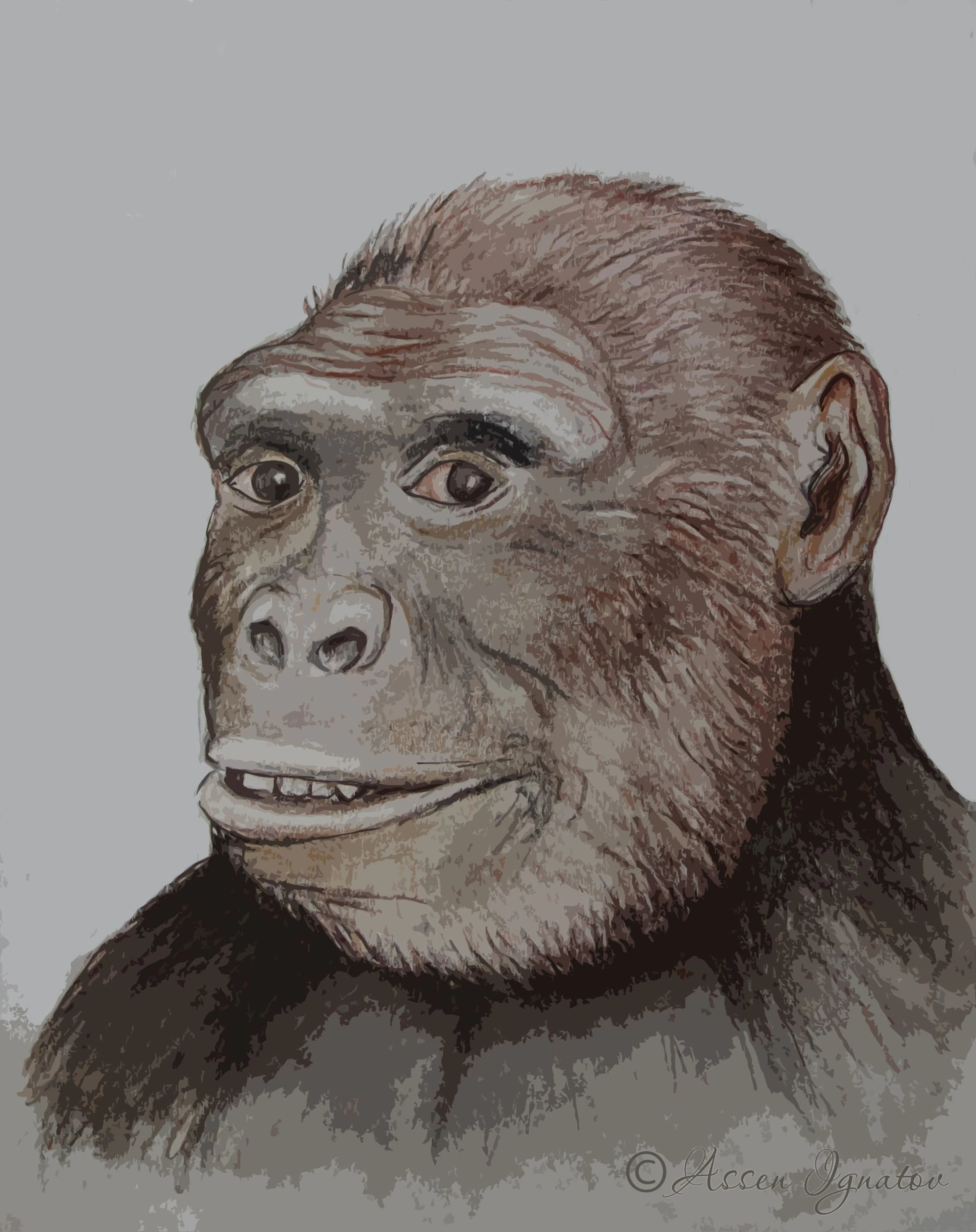
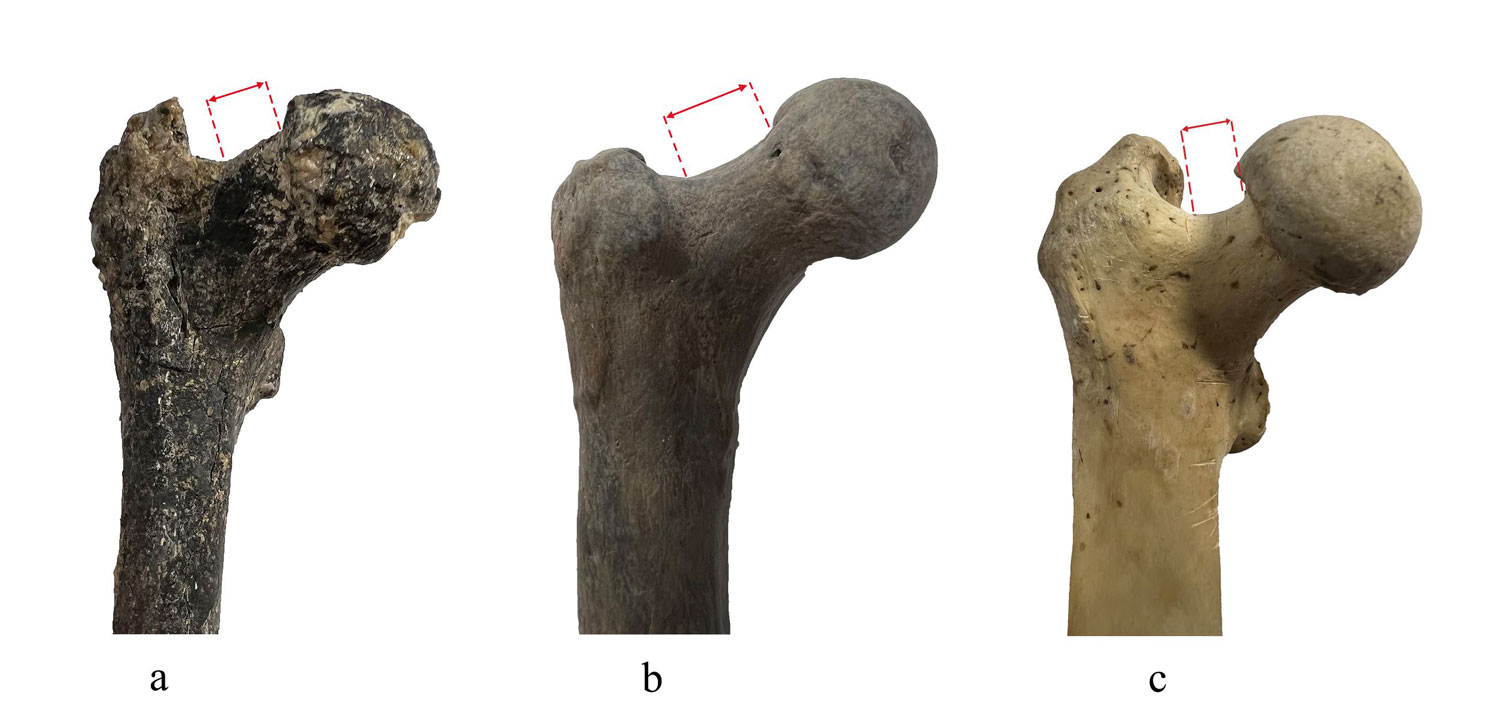
According to a statement released by the University of Tübingen, an international team of researchers who evaluated a fossil femur unearthed at the site of Azmaka in southern Bulgaria suggests that it could belong to a human ancestor. “At 7.2 million years old, this ancestor, which we classify as belonging to the genus Graecopithecus, could be the oldest known human,” said paleoanthropologist David Begun of the University of Toronto. Graecopithecus was first identified by a fragment of a lower jaw unearthed near Athens. The researchers examined the shape of the tooth roots from the jaw and concluded that Graecopithecus could represent an early human ancestor. The femur from Bulgaria is thought to have come from a female who weighed about 50 pounds. “A number of external and internal morphological features, such as the elongated, upward-pointing neck between the femur shaft and head, special attachment points for the gluteal muscles, and the thickness of the outer bone layer, have similarities with bipedal fossil human ancestors and humans,” explained paleontologist Nikolai Spassov of the Bulgarian National Museum of Natural History. Climate change in the eastern Mediterranean and western Asia between eight and six million years ago may have triggered waves of Eurasian mammals, including Graecopithecus, to migrate southward to Africa, where early human ancestors such as Australopithecus eventually emerged, added paleontologist Madelaine Böhme of the University of Tübingen. Read the original scholarly article about this research in Palaeobiodiversity and Palaeoenvironments. To read about a recent study of the musculoskeletal system of the australopithecine skeleton known as Lucy, go to "Around the World: Ethiopia."
(Excerpt) Read more at archaeology.org ...
TOPICS: History; Science; Travel
KEYWORDS: ancientautopsies; azmaka; bulgaria; godsgravesglyphs; graecopithecus; paleoanthropology; paleontology
The Graecopithecus femur (left) from Azmaka, Bulgaria, is shown in comparison to that of Lucy (Australopithecus afarensis) (middle) and the thighbone of a chimpanzee (right). The femoral neck (indicated in red) is longer and more upward-pointing in the human ancestors Graecopithecus and Australopithecus than in the chimpanzee.N. Spassov, D. Youlatos, M. Böhme, R. Bogdanova, L. Hristova, D. Begun
1
posted on
03/18/2026 12:14:26 PM PDT
by
SunkenCiv
To: StayAt HomeMother; Ernest_at_the_Beach; 1ofmanyfree; 21twelve; 24Karet; 2ndDivisionVet; 31R1O; ...
2
posted on
03/18/2026 12:15:14 PM PDT
by
SunkenCiv
(The Demagogic Party is just a collection of violent, rival street gangs.)
To: SunkenCiv
To: Sacajaweau
Gee, I wonder why they used a photo of the femur they dug up in Bulgaria then.
4
posted on
03/18/2026 12:31:56 PM PDT
by
SunkenCiv
(The Demagogic Party is just a collection of violent, rival street gangs.)
To: SunkenCiv
The implications they get out of the length of the neck of the femur is outstandingly comical. I wonder if the lengths of the neck of the femur could vary in a single species based on embryological development, disease, nutrition, epigenetic factors....
5
posted on
03/18/2026 12:36:16 PM PDT
by
Getready
(Wisdom is more valuable than gold and harder to find.)
To: SunkenCiv
6
posted on
03/18/2026 12:41:57 PM PDT
by
Ezekiel
(🆘️ "Come fly with US". 🔴 Ingenuity -- because the Son of David begins with MARS ♂️, aka every man)
To: Getready
No, comical is your stupid post.
7
posted on
03/18/2026 1:02:49 PM PDT
by
SunkenCiv
(The Demagogic Party is just a collection of violent, rival street gangs.)
To: SunkenCiv
Says “climate change” between 6 million and 8 million years ago.
That means mankind’s cars, planes, trains, air conditioners, home heating systems, food processing and buildings didn’t cause it.
Just like today.
8
posted on
03/18/2026 1:06:01 PM PDT
by
frank ballenger
(There's a battle outside and it's raging. It'll soon shake your windows and rattle your walls. )
To: SunkenCiv
I thought you had to genus Homo to be an actual human.
To: All
10
posted on
03/18/2026 3:39:04 PM PDT
by
SteveH
11
posted on
03/18/2026 4:13:35 PM PDT
by
deport
To: SunkenCiv
I thought they’d already established the Bulgarian Greaco as the oldest hominid fossil.
To: SteveH
That’s a Greek, alright. Hairy little things.
Disclaimer:
Opinions posted on Free Republic are those of the individual
posters and do not necessarily represent the opinion of Free Republic or its
management. All materials posted herein are protected by copyright law and the
exemption for fair use of copyrighted works.
FreeRepublic.com is powered by software copyright 2000-2008 John Robinson