Skip to comments.
These Flavanol-Rich Foods May Trigger an Exercise-Like Response in the Brain, Study Finds
Food & Wine ^
| March 6, 2026
| Stacey Leasca
Posted on 03/15/2026 1:43:34 PM PDT by nickcarraway
Research suggests compounds in foods like blackberries and kale can influence brain chemistry tied to motivation and activity — another reminder that what we eat affects more than we realize.
Key Takeaways:
-A 2025 study suggests that astringent, flavanol-rich foods like berries and red wine may stimulate the nervous system through their puckering taste, potentially triggering physiological responses similar to moderate exercise.
-In the study, mice given oral doses of flavanols exhibited increased physical activity, greater exploration, and improved learning and memory compared to a control group.
-Researchers also observed elevated levels of dopamine, norepinephrine, and related compounds associated with motivation, attention, and alertness.
There is plenty of solid science emphasizing the importance of regular exercise. As the Mayo Clinic explains, a consistent workout routine can help with everything from reducing the risk of disease to supporting our mood. But if you simply don't have the time, recent research might suggest something that could help: astringent foods.
In late 2025, researchers from the Shibaura Institute of Technology published their study in the journal Current Research in Food Science, examining the effects of eating astringent foods, which they describe as the "dry, puckering, rough, or sandpapery feeling people notice when eating foods rich in certain plant compounds called polyphenols." Think of foods and drinks like berries and red wine that occasionally make you suck in your cheeks a little.
While the team noted that flavanols — a type of polyphenol — have been linked to a range of positive health outcomes, including lower cardiovascular disease risk and improved memory, what remains less clear is how they influence the human nervous system and brain function, considering that only small amounts of polyphenols are actually absorbed into the bloodstream.
To better understand the effects of flavanols, a team led by Dr. Yasuyuki Fujii and Professor Naomi Osakabe examined "sensory perception" and how this puckery taste itself serves as a signal to the brain. "Flavanols exhibit an astringent taste," Fujii said in the journal Current Research in Food Science. "We hypothesized that this taste serves as a stimulus, transmitting signals directly to the central nervous system (comprising the brain and spinal cord). As a result, it is thought that flavanol stimulation is transmitted via sensory nerves to activate the brain, subsequently inducing physiological responses in the periphery through the sympathetic nervous system."
In plain language, that means they believe the taste sends a message to the brain via your nerves, which then triggers a physical response.
The Greens You Keep Throwing Away Could Support Gut, Metabolic, and Immune Health, Researchers Say To test this, the team gave one group of 10-week-old mice oral doses of flavanols and another group just distilled water to compare the results. They found that the mice that consumed flavanols "showed noticeably higher levels of physical activity, increased exploration, and stronger performance in learning and memory tasks compared with the control group."
These findings, the team broke down, suggest that the flavanols can trigger a "broad" physiological response. Perhaps most interesting of all is the response that resembles physical exercise. That's because the flavanols appeared to function as a "moderate stressor."
"Stress responses elicited by flavanols in this study are similar to those elicited by physical exercise. Thus, moderate intake of flavanols, despite their poor bioavailability, can improve the health and quality of life," Fujii added.
Now, before you abandon your morning Zumba class, keep in mind that this isn't a substitute for exercise, as the team explained that this was simply an observation in their study with mild (at best) outcomes. So take it as merely a fun finding that might inspire you to eat more berries.
And in case you need another reason to eat these foods, the team also discovered that they increased the "levels of dopamine and its precursor levodopa increased, along with norepinephrine and its metabolite normetanephrine in the locus coeruleus-noradrenaline network." Those chemicals, they added, play a major role in "motivation, attention, alertness, and stress regulation." So if nothing else, eating these foods may at least motivate you to get to the gym.
Lauren Manaker MS, RDN, LD, CLEC: Lauren is an award-winning registered dietitian and three-time book author, with more than 22 years in the field.
TOPICS: Food; Health/Medicine
KEYWORDS: astringency; berries; blackberries; brain; flavanols; food; nutrition; puckerpower; puckery; tcoyh
Navigation: use the links below to view more comments.
first previous 1-20, 21-40, 41-49 next last
To: nickcarraway
Read anything about food and it seems kale is the answer to everything from spastic colon to cancer. ‘Bout as good of eating as shredded cardboard. There’s an article out there somewhere about how kale farmers hired an ad agency to push kale, snd it has paid off in spades to the detriment of humanity IMHO.
To: nickcarraway
......”Hey, Thomas Jefferson brough kale here”........
And I can make it edible by chopping into small pieces, steaming (preserves vitamins) and serving with a lovely “no salt added” salad dressing I buy from AMZ.
BTW, I’m buying more food from AMA because they have excellent organic stuff at super prices.....things like EVOO, jelly, gluten-free cookies, maple syrup.. Their apparent house brand, is “357” from Whole Foods, aka “Whole Paycheck” back in the day. IMHO, Bezos can do no wrong on his ocean-sized yacht. Invented ultramass marketing. Huge Win-Win, because I don’t see local stores going out of busness.
22
posted on
03/15/2026 4:53:04 PM PDT
by
Veto!
((Trump is Superman))
To: nickcarraway
Thanks. Now please set it to music: Parsely, sage rosemary and WINE....tra la la
23
posted on
03/15/2026 4:56:14 PM PDT
by
Veto!
((Trump is Superman))
To: Veto!
Does your salad dressing have oil in it?
To: KittyKares
ORGANICVILLE Organic Salt Free Italian Dressing
“,,,contains some Organic white wine vinegar. “
‘Usually less than 1 percent.”
Does that count? I doubt it but I’m no expert.
25
posted on
03/15/2026 5:13:44 PM PDT
by
Veto!
((Trump is Superman))
To: KittyKares
My friend Rick leads the largest AA group in town . When he came over for dinner, I served Kombucha instead of wine. 0,04 percent alcohol. Delish stuff. I asked him whether that was too much alcohol and he said no and enjoyed a glass.
Come to think of it, this salad dressing went on his green veggies too.
26
posted on
03/15/2026 5:29:20 PM PDT
by
Veto!
((Trump is Superman))
To: nickcarraway
I read another research article recently that mentioned if the berries are consumed with bananas it blocks the flavenoid digestion.
To: butlerweave
AOC drinks wine by the caseI suspect she drinks wine from a box.
28
posted on
03/15/2026 5:37:33 PM PDT
by
ladyjane
To: jonrick46; nickcarraway; Bobbyvotes; Alas Babylon!; ConservativeMind; metmom; SunkenCiv
I checked to see what AI had to say on polyphenol foods and benefits before I saw the later lists others provided:
‘AI Overview
==Polyphenols are antioxidant-rich micronutrients found in plant-based foods that protect cells from damage, reduce inflammation, and lower the risk of chronic diseases like diabetes and heart disease. Key sources include berries, dark chocolate, coffee, tea, red wine, nuts, and vegetables, which support metabolic and cardiovascular health.
*Top Foods High in Polyphenols:
—Berries: Black currants, blueberries, blackberries, and strawberries.
—Fruits: Apples (especially with skin), plums, cherries, and pomegranate.
—Vegetables: Artichokes, red onions, spinach, and broccoli.
Nuts and Seeds: Chestnuts, hazelnuts, pecans, walnuts, and flaxseeds.
—Beverages: Coffee, green tea, black tea, and red wine.
Other: Dark chocolate, cocoa powder, extra virgin olive oil, and spices like turmeric and cloves.
*How Polyphenols Affect the Human Body:
—Antioxidant Defense: They act as powerful antioxidants that neutralize free radicals, reducing oxidative stress and protecting cells from damage.
—Anti-inflammatory Agent: They help lower chronic inflammation throughout the body, which is linked to cancer and heart disease.
—Cardiovascular Health: Polyphenols can improve blood pressure, improve cholesterol levels, and increase vascular function.
—Improved Metabolism: They can improve insulin resistance, helping to regulate blood sugar levels.
—Gut Microbiota Support: Many polyphenols act as prebiotics, promoting healthy bacteria in the gut.
==For maximum benefit, it is recommended to eat a variety of colorful fruits and vegetables, as well as nuts and herbs.”
A deeper dive into AI provided this additional information:
“Foods High in Polyphenols
==The following table highlights some of the richest dietary sources of polyphenols based on their concentration per 100g or 100ml:
*Food Category Top Sources Polyphenol Content (Approx.)
—Herbs & Spices Cloves, Peppermint (dried), Star Anise 15,188 mg, 11,960 mg, 5,460 mg
—Cocoa Products Cocoa powder, Dark chocolate (70%+ cocoa) 3,448 mg, 1,664 mg
—Berries Black chokeberry, Elderberry, Blueberries 1,756 mg, 1,359 mg, 525-836 mg
—Nuts & Seeds Flaxseed meal, Chestnuts, Hazelnuts 1,528 mg, 1,215 mg, 495 mg
—Vegetables Black olives, Artichokes, Red onion 569 mg, 260 mg, 168 mg
—Beverages Coffee (filter), Black tea, Green tea, Red wine 214 mg, 102 mg, 89 mg, 101 mg
*How They Affect the Human Body:
==Polyphenols interact with the body through several biological mechanisms, primarily by neutralizing free radicals that cause oxidative stress and cellular damage.
—Heart Health: They improve blood flow by enhancing nitric oxide production, which dilates blood vessels and lowers blood pressure. They also inhibit the oxidation of LDL (”bad”) cholesterol, a key step in preventing atherosclerosis.
—Blood Sugar Regulation: Polyphenols like anthocyanins and catechins may slow the breakdown of starch into sugar, preventing post-meal blood sugar spikes. They can also stimulate insulin secretion and improve insulin sensitivity.
—Brain Function: Flavonoids have been linked to improved memory, learning, and attention, possibly by boosting cerebral blood flow and protecting neurons from toxins like beta-amyloid protein.
—Gut Health: They act as “prebiotics,” promoting the growth of beneficial gut bacteria (like Bifidobacterium) while inhibiting harmful ones such as E. coli.
—Chronic Disease Prevention: Long-term consumption is associated with a lower risk of certain cancers, type 2 diabetes, and neurodegenerative disorders like Alzheimer’s and Parkinson’s.
—Anti-Inflammatory Effects: By inhibiting pro-inflammatory signaling pathways (like NF-κB), they can help manage chronic conditions like arthritis.
==NOTE on Bioavailability: Many polyphenols are not well-absorbed in the small intestine; instead, they reach the colon where gut bacteria break them down into active metabolites that the body can use. “
I guess our next health step needs to be making sure our gut bacteria are well supplied with enough fiber and a good assortment of gut bacteria. One piece of information for me was the fact that butter and cream provide buyterics that feed certain gut bacteria which then tell the brain they are well fed and our brain tells us we can stop eating. Imagine, our gut is running our appetite!
29
posted on
03/15/2026 5:44:35 PM PDT
by
gleeaikin
(Question Authority: report facts, and post their links in your message.)
To: Veto!
I eat what I like, which includes crustless cheesecake from Publix, Home run inn Pizza from Chicago, BBQ ribs and coconut crusted shrimp at local Longhorn steakhouse etc. My cholesterol and blood pressure stays in normal range because of daily mild aerobic 30-minute exercise, 365 days a year. As for wine, I only like a small amount of cream sherry from local winery. The daily 365 days every year exercise overcomes my indulgent eating.
I have no chronic diseases, No aches or pains anywhere in body. I am on only one 1 Rx, minimum dose 10 mg lisinopril to keep my doctor happy. I really do not need it, but it seems to be without any noticeable side effects. Only thing scares me is my calendar age (86) coz lot of my friends have already passed away. But I am not complaining.
30
posted on
03/15/2026 5:55:39 PM PDT
by
Bobbyvotes
(Work is worship. Do more work & become more wealthy.)
To: nickcarraway
How clueless can we have gotten to not realize that what we eat affects our brain?
31
posted on
03/15/2026 6:02:16 PM PDT
by
metmom
(He who testifies to these things says, “Surely I am coming soon." Amen. Come, Lord Jesus….)
To: gleeaikin
Thanks for the extensive list. Happy to see there are lots of items from that list in my diet, especially the nuts, fruits and veggies.
32
posted on
03/15/2026 6:26:10 PM PDT
by
Bobbyvotes
(Work is worship. Do more work & become more wealthy.)
To: Bobbyvotes
Chron age means zilch. You’re in great shape. I’m 89, weigh 112, and was in that kind of shape too until a supermarket door slammed on my arm, shattered wrist joints and lots of little bones. Followed by a corneal transplant last June with very disappointing results....Followed by VERTIGO so awful I spent five days in the best hospital in town followed by ten days in a nursing home that I actually enjoyed. Slave driver physical therapists had me going up and down stairs for a couple of hours every day to make sure I wouldn’t fall on my dainty ladylike @ss when I got home. I’d never even heard of Vertigo before. Have you?
. So driving is risky, which means I don’t go to the gym any more. Got rid of my car and walk to stores when weather allows, which it often does. But that sense of “workout” has pretty much disappeared. In a few months, I’ll nag a neighbor who belongs to my gym to get going and take me with him. He just developed prostate cancer, not too surprising considering the absolute crap he eats.
P.S., I consider wheat and sugar “absolute crap”. Did buy some organic gluten-free lemon cookies at Amazon that are absolutely delish crap.
33
posted on
03/15/2026 6:37:12 PM PDT
by
Veto!
((Trump is Superman))
To: Veto!
I live in a subdivision which has a clubhouse equipped with a gym and a nice pool 4 houses down from my house. So I always walk there.
So sorry about your arm accident. Hope you can overcome it and keep enjoying life.
Yes I know sugar & wheat are not good for the body, but artificial sugar makes me visit bathroom too often. I try to burn up the sugar with daily activity. Only wheat I eat is whole wheat bread 2 slices a day. I think I am immune to wheat having grown up eating it. What hurts me is salt! My body likes to horde salt, which jacks up my blood pressure. But I am managing by keeping active.
34
posted on
03/15/2026 6:48:57 PM PDT
by
Bobbyvotes
(Work is worship. Do more work & become more wealthy.)
To: gleeaikin
35
posted on
03/15/2026 6:53:04 PM PDT
by
SunkenCiv
(TDS -- it's not just for DNC shills anymore -- oh, wait, yeah it is.)
To: gleeaikin; All
Thanks for putting that together. I've been reading and watching various YouTube docs discuss nutrition, polyphenols, and flavanols. I had ChatGPT put together a list of credible researcher presentations on YouTube. Surprisingly, none of the docs I have been following made the grade. I've been eating "Chocolove" 88% cacao chocolate for a while and also been taking the CocoaVia supplement. The COSMOS study is worth looking into.
Dr. Michael Greger

How to Get Enough Polyphenols for Life Extension
Why it’s good
- Evidence-heavy, citing cohort studies and clinical trials.
- Explains the major classes of polyphenols and their food sources.
Key Points
- There are 8,000+ polyphenols identified in plants.
- High flavonoid intake is associated with lower mortality in long-term cohort studies.
- Major dietary sources include berries, tea, coffee, fruits and vegetables, beans, and dark chocolate.
Dr. Rhonda Patrick

Should You Supplement With Cocoa Flavanols?
Why it’s good
- Dr. Patrick is a biomedical scientist who often dives deep into mechanisms.
- Focuses on cocoa flavanols, one of the most studied polyphenol subclasses.
Topics Covered
- Nitric oxide and vascular function.
- Cognition and blood flow.
- Dose versus supplement versus food sources.
Dr. William Li
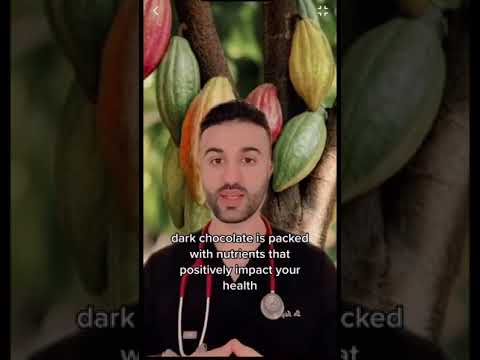
The Healthy Powers of Dark Chocolate
Why it’s useful
- Good explanation of cocoa polyphenols and flavanols.
- Also discusses real-world issues like heavy metals in cacao and processing effects on flavanol content.
Topics Covered
- Cacao and dark chocolate flavanols.
- Potential health effects.
- Heavy metals in cacao.
- How processing can reduce flavanol content.
Dr. Richard Hagmeyer
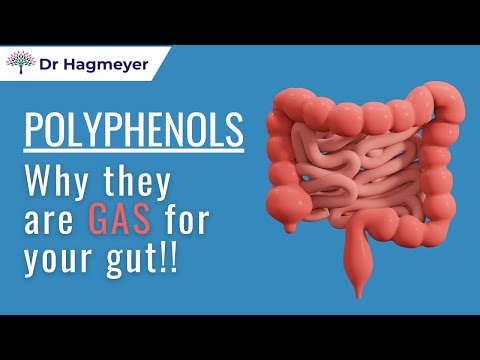
Polyphenols - The Best Kept Secret For Gut Health
Topics Covered
- Types of polyphenols, including flavonoids and phenolic acids.
- Interaction with the gut microbiome.
- Metabolic and anti-inflammatory effects.
Quick Overview of What These Compounds Actually Are
Polyphenols
Polyphenols are a large class of plant compounds with antioxidant and signaling effects.
Major Subclasses
- Flavonoids
- Flavanols (cocoa, tea)
- Anthocyanins (berries)
- Flavonols (onions, apples)
- Phenolic acids (coffee)
- Lignans (flaxseed)
- Stilbenes (resveratrol)
Mechanisms
- Antioxidant effects.
- Improved endothelial function.
- Anti-inflammatory signaling.
- Gut microbiome modulation.
Interesting Point
Modern research suggests polyphenols may act less as simple antioxidants and more as signaling molecules that affect cellular pathways and microbiome metabolism.
To: ProtectOurFreedom
37
posted on
03/15/2026 8:02:29 PM PDT
by
Jane Long
(Jesus is Lord!)
To: Veto!
It sounds like YOUR salad dressing is healthier than mine. It even has a touch of calcium in it. I will order it next time. I might even toss the rest of mine out, although I hate to waste food.
Thanks.
To: nickcarraway
The black chokeberry is rich in polyphenols, including flavonoids with anthocyanins, flavanols and flavonols as the main components and a variety of phenolic acids represented by chlorogenic acid. Because of these polyphenols, black chokeberry has the effect of preventing and adjuvant therapy diseases such as hyperlipidemia (high cholesterol), hypertension, diabetes and inflammation.
39
posted on
03/15/2026 8:05:01 PM PDT
by
jonrick46
(Leftniks chase illusions of motherships at the end of the pier.)
To: KittyKares
I just took a good look at that label.
It’s made in Sandpoint, Idaho. I used to live there and so did my grown son, in a different place, of course. About 5o miles from where I am now. Spokane.
Happy to know that if Amazon stops carrying it, I can get it from the source. If the source goes out of business, I’ll try to buy any leftover stock.
40
posted on
03/15/2026 9:29:54 PM PDT
by
Veto!
((Trump is Superman))
Navigation: use the links below to view more comments.
first previous 1-20, 21-40, 41-49 next last
Disclaimer:
Opinions posted on Free Republic are those of the individual
posters and do not necessarily represent the opinion of Free Republic or its
management. All materials posted herein are protected by copyright law and the
exemption for fair use of copyrighted works.
FreeRepublic.com is powered by software copyright 2000-2008 John Robinson