Skip to comments.
Roman military helped bring cats to Europe
Popular Science ^
| December 1, 2025
| Laura Baisas
Posted on 02/13/2026 3:32:26 PM PST by SunkenCiv
Initially, archaeologists believed that humans began to live with cats about 9,500 years ago in... parts of the present-day eastern Mediterranean and Middle East. This timeline coincides with the beginning of the Neolithic era, when agriculture started to spread. The grains used in farming attracted rodents, which then enticed the wildcats to come and eat the rodents. Neolithic humans then likely kept the wildcats around to keep the rodents away, paving the way for domestication. Cat remains dating [circa 9500 years ago] have been discovered in present-day Cyprus, indicating that the animals were a part of daily life by then.
Cats then became a staple in Ancient Egypt roughly 3,500 years ago. Unlike the more murky history during the Neolithic Age, Ancient Egyptian culture is full of cat references. Numerous cat remains have been found in tombs, as well as drawings of cats eating near humans. Bastet was a feline goddess...
Earlier studies using cats' mitochondrial DNA indicated that they may have made it to Europe from Turkey via Neolithic farmers about 6,000 years ago and later from Egypt. Genetically speaking, modern house cats are also different from the African wildcat native to both Egypt and Turkey. Still, a lack of archaeological evidence and problems with distinguishing domestic cats from their wild counterparts based on the DNA in their bones have left some major gaps in the house cats' history.
In this new study, a team analyzed the genomes of 70 ancient cats, dating back over the last 11,000 years (from about 9000 BCE to 19th century CE). The genomes were taken from bones found in archaeological sites in Europe and Turkey, along with 17 modern wildcats from parts of North Africa, Italy, and Bulgaria.
(Excerpt) Read more at popsci.com ...
TOPICS: History; Science; Travel
KEYWORDS: africa; bulgaria; cats; cyprus; egypt; feliscatus; godsgravesglyphs; helixmakemineadouble; italy; neolithic; romanempire; turkey; yayrome
Navigation: use the links below to view more comments.
first 1-20, 21-40, 41-47 next last
1
posted on
02/13/2026 3:32:26 PM PST
by
SunkenCiv
To: StayAt HomeMother; Ernest_at_the_Beach; 1ofmanyfree; 21twelve; 24Karet; 2ndDivisionVet; 31R1O; ...
There has been just a litter bit of DNA research about cats.

2
posted on
02/13/2026 3:35:58 PM PST
by
SunkenCiv
(TDS -- it's not just for DNC shills anymore -- oh, wait, yeah it is.)
3
posted on
02/13/2026 3:36:02 PM PST
by
SunkenCiv
(TDS -- it's not just for DNC shills anymore -- oh, wait, yeah it is.)
To: SunkenCiv
The Roman Legions would love cat videos.
4
posted on
02/13/2026 3:36:57 PM PST
by
ansel12
((NATO warrior under Reagan, and RA under Nixon, bemoaning the pro-Russians from Vietnam to Ukraine.))
To: ansel12
They would! Alas, they wouldn’t be able to view them on their Blackberries, not least because they would be *actual* blackberries.
5
posted on
02/13/2026 3:38:56 PM PST
by
SunkenCiv
(TDS -- it's not just for DNC shills anymore -- oh, wait, yeah it is.)
To: ansel12
6
posted on
02/13/2026 3:40:26 PM PST
by
MotorCityBuck
(Keep the Change You Filthy Animal !)
To: SunkenCiv
In the time of the Roman Empire, Rome would import grain from Egypt, and cats probably traveled with the grain ships.
7
posted on
02/13/2026 3:47:38 PM PST
by
SauronOfMordor
(You’ve not seen the darkness in the hearts of men who realize no one is coming to save them.)
8
posted on
02/13/2026 3:48:39 PM PST
by
SunkenCiv
(TDS -- it's not just for DNC shills anymore -- oh, wait, yeah it is.)
To: SauronOfMordor
Cats probably wanted to move to Rome, got the idea for taking the grain ships, and in their passive-aggressive way, convinced their staff (the humans) to start the grain trade.😽🐈
9
posted on
02/13/2026 3:51:19 PM PST
by
SunkenCiv
(TDS -- it's not just for DNC shills anymore -- oh, wait, yeah it is.)
To: SunkenCiv
10
posted on
02/13/2026 4:11:55 PM PST
by
mairdie
To: SauronOfMordor
The videos all mention that it wasn’t just the food stores the cats protected, they also protected the armories with so much leather and wood being used, materials that rats would also eat and damage, and of course killing rodents reduced disease.
11
posted on
02/13/2026 4:16:53 PM PST
by
ansel12
((NATO warrior under Reagan, and RA under Nixon, bemoaning the pro-Russians from Vietnam to Ukraine.))
To: SunkenCiv
So who imported the cat ladies?
To: SunkenCiv
We all know how they came to America

13
posted on
02/13/2026 4:22:02 PM PST
by
dfwgator
("I am Charlie Kirk!")
To: SunkenCiv
HA! Blame the Romans. (not a cat person here)
14
posted on
02/13/2026 4:29:08 PM PST
by
citizen
(A transgender male competing against women may be male, but he's no man.)
To: SunkenCiv
15
posted on
02/13/2026 4:29:26 PM PST
by
skepsel
("A cat is more intelligent than people believe, and can be taught any crime", Mark Twain.)
To: dfwgator
16
posted on
02/13/2026 4:32:56 PM PST
by
rlmorel
(Factio Communistica Sinensis Delenda Est)
To: SunkenCiv
17
posted on
02/13/2026 4:34:35 PM PST
by
Ezekiel
(🆘️ "Come fly with US". 🔴 Ingenuity -- because the Son of David begins with MARS ♂️, aka every man)
To: SunkenCiv
18
posted on
02/13/2026 5:35:39 PM PST
by
an amused spectator
(principled conservatism is Lefty subterfuge)
To: SunkenCiv
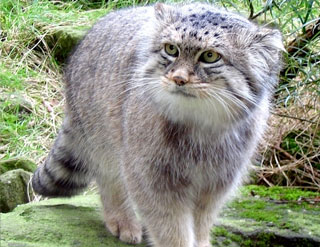
Pallas Cat (Manul cat) FTW!
19
posted on
02/13/2026 5:38:26 PM PST
by
an amused spectator
(principled conservatism is Lefty subterfuge)
To: SunkenCiv
Friends, Romans, Countrymen, lend me your pointy ears.
20
posted on
02/13/2026 5:45:57 PM PST
by
Beowulf9
Navigation: use the links below to view more comments.
first 1-20, 21-40, 41-47 next last
Disclaimer:
Opinions posted on Free Republic are those of the individual
posters and do not necessarily represent the opinion of Free Republic or its
management. All materials posted herein are protected by copyright law and the
exemption for fair use of copyrighted works.
FreeRepublic.com is powered by software copyright 2000-2008 John Robinson

