Posted on 02/09/2026 1:26:50 PM PST by MtnClimber
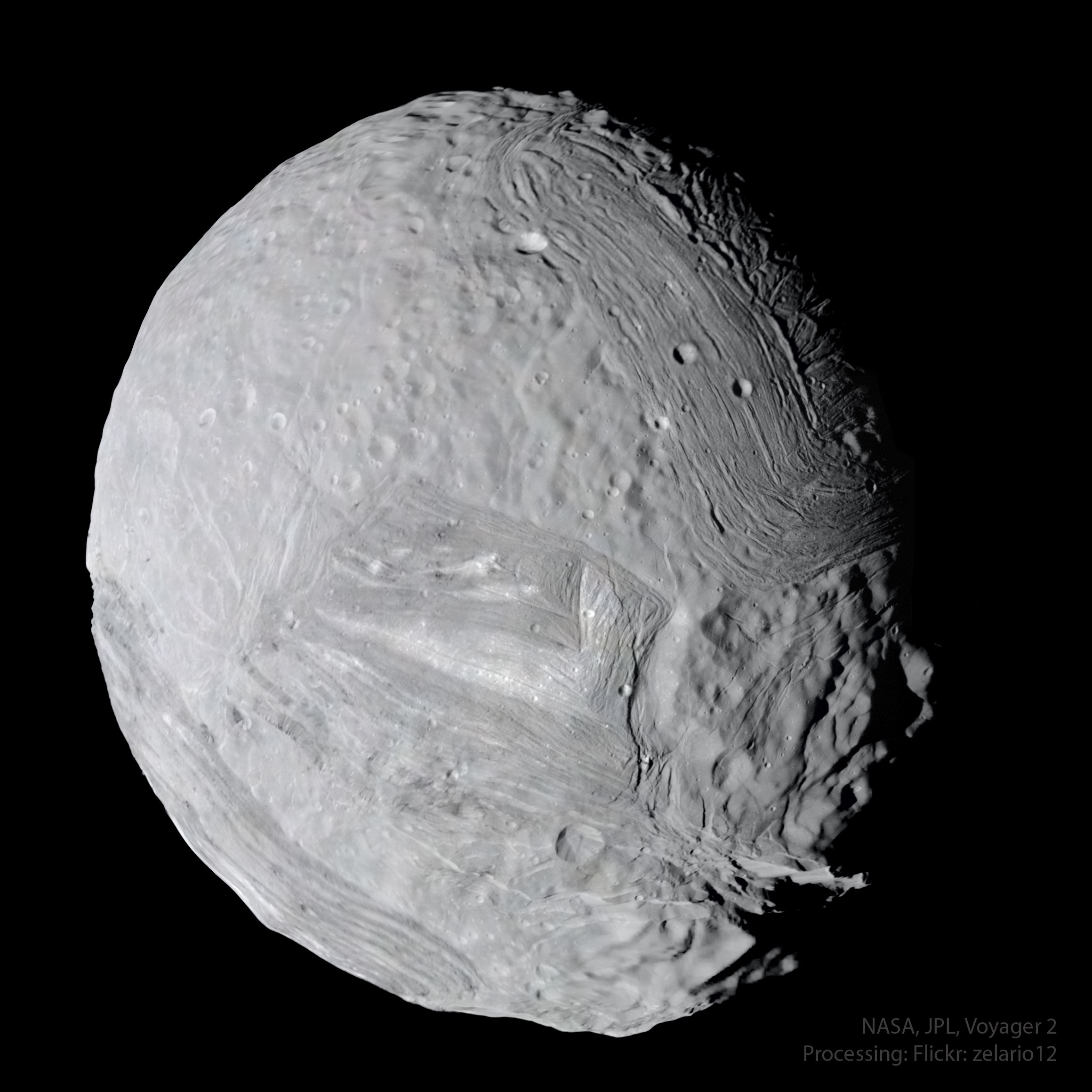
Explanation: What is Miranda really like? Visually, old images from NASA's Voyager 2 have been recently combined and remastered to result in the featured image of Uranus's 500-kilometer-wide moon. In the late 1980s, Voyager 2 flew by Uranus, coming close to the cratered, fractured, and unusually grooved moon -- named after a character from Shakespeare’s The Tempest. Scientifically, planetary scientists are using old data and clear images to theorize anew about what shaped Miranda's severe surface features. A leading hypothesis is that Miranda, beneath its icy surface, may have once hosted an expansive liquid water ocean which may be slowly freezing. Thanks to the legacy of Voyager 2, Miranda has joined the ranks of Europa, Titan, and other icy moons in the search for water, and, possibly, microbial life, in our Solar System.
For more detail go to the link and click on the image for a high definition image. You can then move the magnifying glass cursor then click to zoom in and click again to zoom out. When zoomed in you can scan by moving the side bars on the bottom and right side of the image.
🪐 🌟 🌌 🍔
That thing looks like it lost the fight.
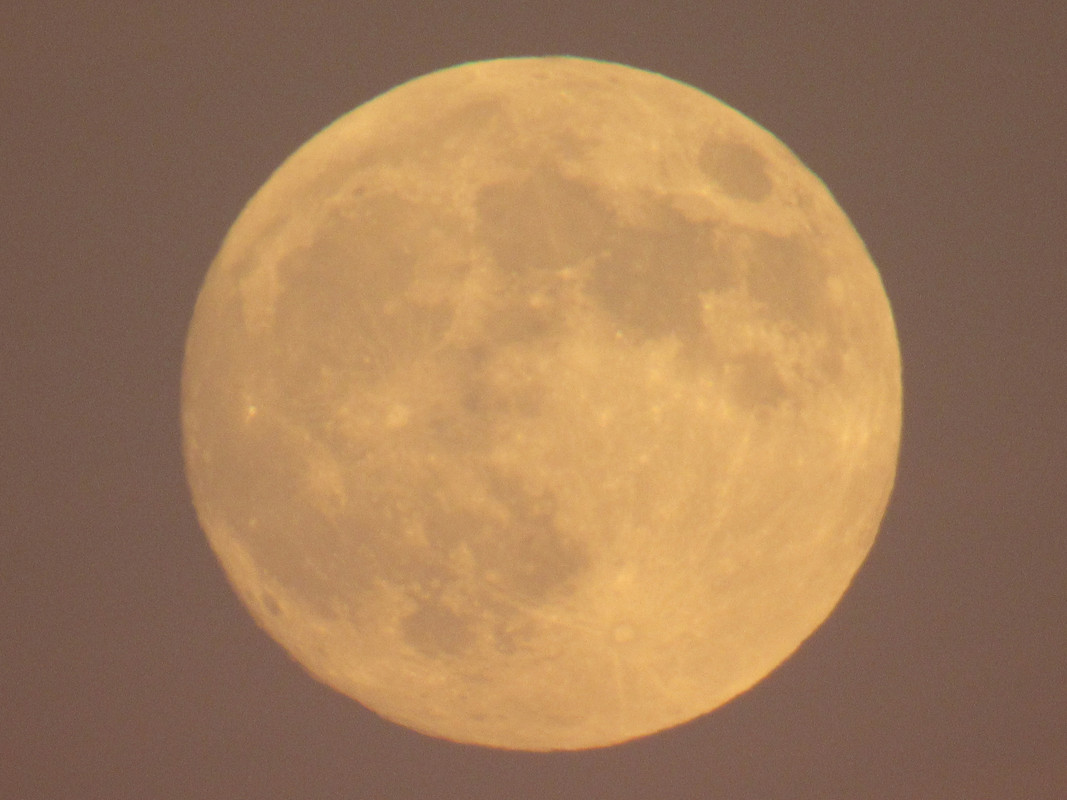
Here's a shot I took of one of our Full Moons this past year. Cannon Power Shot, nothing fancy.
the Memes write themselves.


Wow.

The Sun has been sending microbial life out into space via the solar wind for a billion years. It would not be particularly shocking to find such life on the other planets and moons of the solar system. In fact, one would expect it.
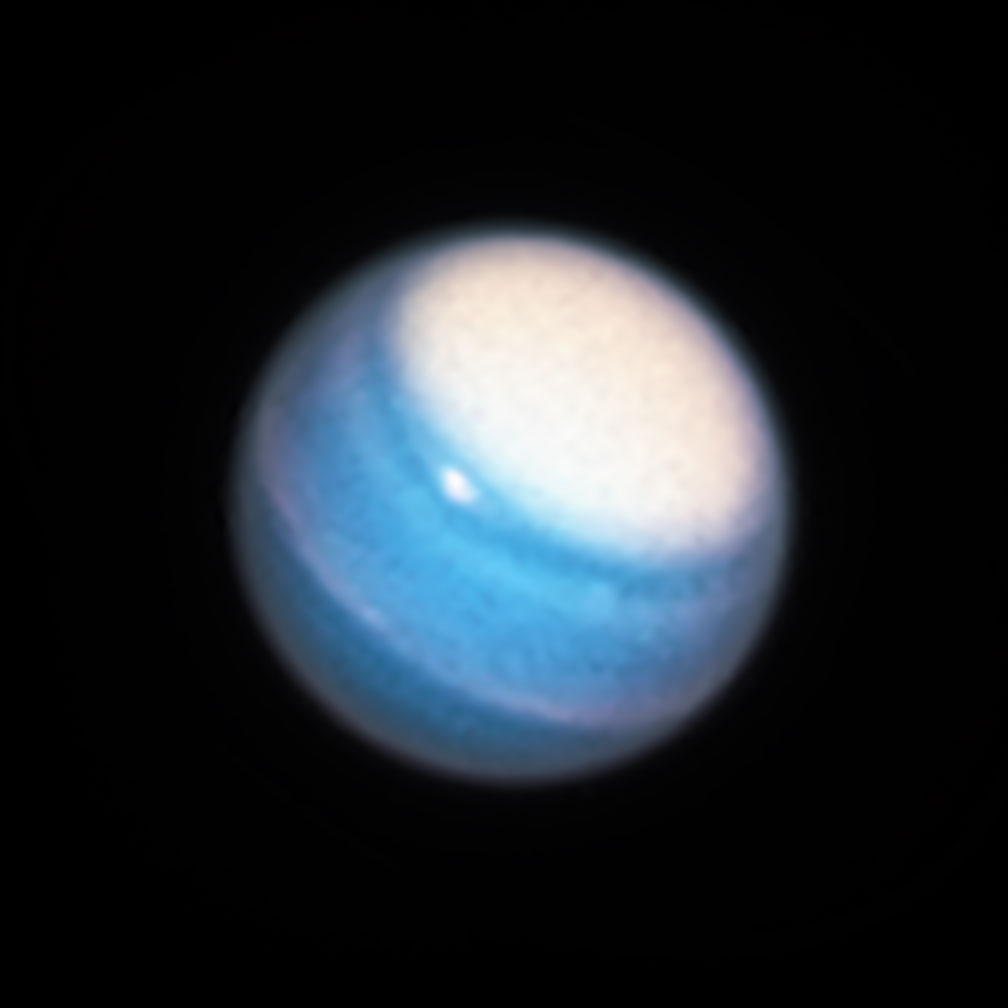
Uranus was quite boring when Voyager went by it. Because the planet is tilted almost 90 degrees something interesting happened. The pole pointed almost directly at the Sun! Half the planet in darkness for years and the other half lit up! This is a Hubble picture . Miranda was the most interesting thing about the fly by at the time. The theory was something big hit the moon busting it into pieces when then rejoined.
“The theory was something big hit the moon busting it into pieces when then rejoined.”
Yeah. Right. 🙄
Nice
Disclaimer: Opinions posted on Free Republic are those of the individual posters and do not necessarily represent the opinion of Free Republic or its management. All materials posted herein are protected by copyright law and the exemption for fair use of copyrighted works.