Posted on 07/08/2021 9:04:35 AM PDT by Red Badger
And might increase the risk of side effects.
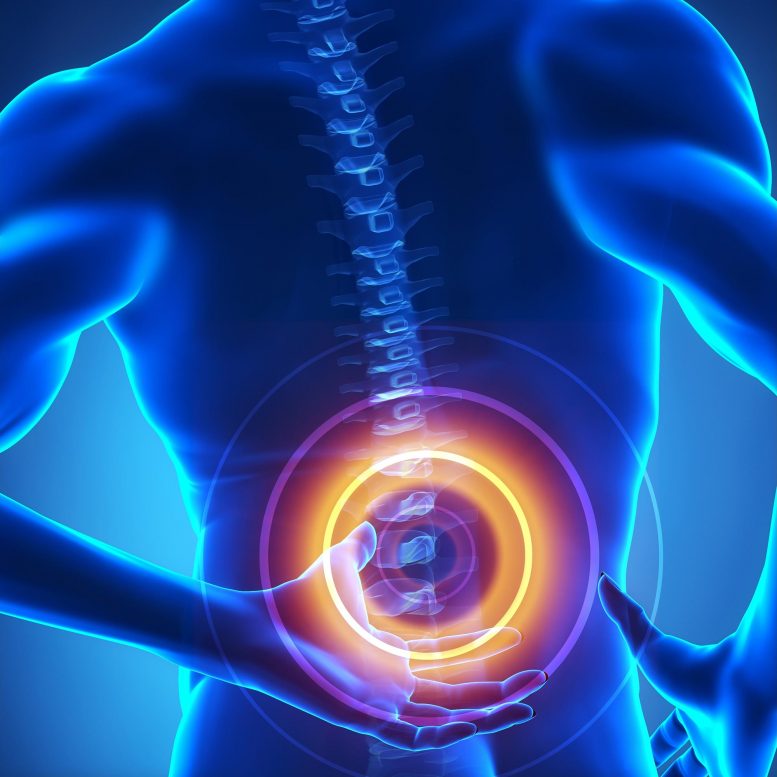
Muscle relaxant drugs are largely ineffective for low back pain, despite being widely prescribed for this condition, suggests an analysis of the latest evidence published by The BMJ today.
The findings show that muscle relaxants might reduce pain in the short term, but the effect is too small to be considered clinically meaningful, and there is an increased risk of side effects.
But the researchers stress that the certainty of evidence is low and say large trials are urgently needed to resolve uncertainties around the use of these drugs for back pain.
Low back pain is a global public health problem and muscle relaxants (a broad class of drugs that include non-benzodiazepine antispasmodics and antispastics) are a commonly prescribed treatment.
For example, in 2020, prescriptions in England exceeded 1.3 million, and in the US more than 30 million. Yet around the world, clinical practice guidelines provide conflicting recommendations for their use.
To address this, researchers in Australia investigated the effectiveness, acceptability, and safety of muscle relaxants compared with placebo, usual care, or no treatment in adults with non-specific low back pain.
They reviewed and carried out a detailed analysis of evidence from 31 randomized controlled trials involving over 6,500 participants, published up to February 2021.
The trials were of varying quality, but the researchers were able to assess the certainty of evidence using the recognized GRADE system.
They set a difference of at least 10 points on a 0 to 100 point scale for pain and disability to be the smallest clinically important effect – a threshold used in other low back pain studies.
Very low certainty evidence showed that non-benzodiazepine antispasmodic drugs might reduce pain intensity at two weeks or less for patients with acute low back pain compared with controls. But this effect is small – less than 8 points on a 0-100 point scale – and does not meet common thresholds to be clinically meaningful.
There was little to no effect of non-benzodiazepine antispasmodics on pain intensity at 3-13 weeks or on disability at all follow-up time points.
Low and very low certainty evidence also showed that non-benzodiazepine antispasmodics might increase the risk of adverse events (commonly, dizziness, drowsiness, headache and nausea) and might have little to no effect on treatment discontinuation compared with controls.
No trials evaluated the effect of muscle relaxants on long term outcomes.
Although this analysis was based on the best available trial evidence, the researchers acknowledge some limitations, and say the modest overall effect could still mean that some, but not all, individuals gain a worthwhile benefit.
However, they stress that the low to very low certainty of evidence does not allow any firm recommendations.
“We would encourage clinicians to discuss this uncertainty in the efficacy and safety of muscle relaxants with patients, sharing information about the possibility for a worthwhile benefit in pain reduction but increased risk of experiencing a non-serious adverse event, to allow them to make informed treatment decisions,” they write.
“Large, high quality, placebo-controlled trials are urgently needed to resolve uncertainties about the efficacy and safety of muscle relaxants for low back pain,” they conclude.
Reference: 7 July 2021, The BMJ. DOI: 10.1136/bmj.n1446
Our local clinic won’t prescribe any opioids at all for any reason......................
My back is all jacked up.
Muscle relaxers never did crap except sort of make my whole body floppy and have me go to sleep.
American health care... chasing fads, flow charted, expensive, politicized, user unfriendly (difficult to navigate).
(1) Flow charted and (2) user unfriendly need extra attention/explanation:
(1) US health care is rationed care. Through what we call the “standard of care” consumers who are paying for this, and who bear the consequences, basically get told what they get. You don’t have free choice in America anymore than you do in some European socialist health care system. Both ration care, only we do it with a private insurance store front, whereas they actually allow for a true parallel private health care system to coexist with the state public care in many countries.
(2) Between the complexities of insurance and the billing games providers play, it is near impossible to manage the financial aspect of health care in this country. When you go to a US hospital, you are signing a blank check. Between in network, out of network, 7 different bills for the same procedure, so called privacy rights (which are a joke) that prevent the sharing or information unless of course you’re an insurance company, the state government, federal government... In America we make fun of used car dealers, but these are actually controlled extensively, whereas health care is the wild west when it comes to raking the customer over the coals.
Pretty buildings, great advertising... though. When it comes to aesthetics, US health care is hands down the most impressive out there.
So-so (right on par with other socialist health care systems) when it comes to results, it’s managed by politicians and businessmen (pharma and insurances), not you the consumer. You the consumer has lost complete control a long time ago. You just get to pay for it and then are told what you will get.
I took them for my lower back. So-yup-they are worthless
Agree Steroids works
I think they are nothing but sugar pills...............
Ibuprofrin is a wonder drug.
I’ve found muscle relaxants taken with tramadol to be very effective in reducing my arthritis pain.
Tramadol, sold under the brand name Ultram among others, is an opioid pain medication used to treat moderate to moderately severe pain.
https://en.wikipedia.org/wiki/Tramadol
When it gets real painful I use a device given to me by the VA called the H-Wave.
It's a small, portable device about the size of an iPad where you attach 4 electrode patches to your back/hips, depending on pain location, and the pain is relieved by sending small electric shocks to relieve the affected areas, usually a 45 minute routine.
That’s exactly my experience, though I don’t take it at bedtime necessarily. I do give myself time to sit on the couch and do “nothing”. I’m not good for much when I’m feeling that pain. It makes me slightly drowsy at first but then I just feel relaxed and like mush after that. Better to just wait it out than try to do anything like work work. I probably do more leisurely reading when I take it, or hand sewing. When I feel that pain, it tells me I’ve overworked and that it’s time to slow it down a little. One day is usually enough.
We have a TENS Machine for that..................
Does it help? My daughter is an advocate of TENS. I have thought I should try it for my back, but not sure I could even place the sensors correctly by myself.
A person at my work recommended a pulsing/hammer type device (same as the chiropractor uses), and I think this could be helpful, as well, but again the challenge of I cannot get behind myself to use one.
No kidding...
Best relief ever...flat out on my back, knees up or walking.
TENS Machines do help, but only for a short while.
My wife wants to get one of those hammer machines, too.........................
I’m 69 years old, exercise an hour a day, and try be sensibly active. To date, I cannot identify ANY cause and effect regarding lower back pain. It simply comes and goes with no rhyme nor reason.
The gal at work SWORE by the hammer machine.
The thing that surprised me about this back pain journey (which has really only been a problem for less than a year), was how many people I know who REGULARLY go for chiropractic adjustments.
The hammer machine supposedly is good for if you have a pinched nerve in your spine......................
Correct, except I don’t think it’s an opioid technically, although some think it’s the same thing so they treat it as if it were.
I’ve taken it on and off for many years, and never had a single moment of discomfort after stopping.
Now, oxy- is another story. I was given an oxy- subscription after oral surgery a few years ago, and Iiked it too much. The sense of euphoria it gave was very pleasant. I liked it too much and could see why people get hooked on it.
Me too............................
Robaxin 750 works great for lower back trouble. Have taken it on and off for 30 years. yes its a muscle relaxer.
Disclaimer: Opinions posted on Free Republic are those of the individual posters and do not necessarily represent the opinion of Free Republic or its management. All materials posted herein are protected by copyright law and the exemption for fair use of copyrighted works.