Posted on 12/31/2020 11:21:33 AM PST by Red Badger
Harm prevention policies must take the long view, say experts.
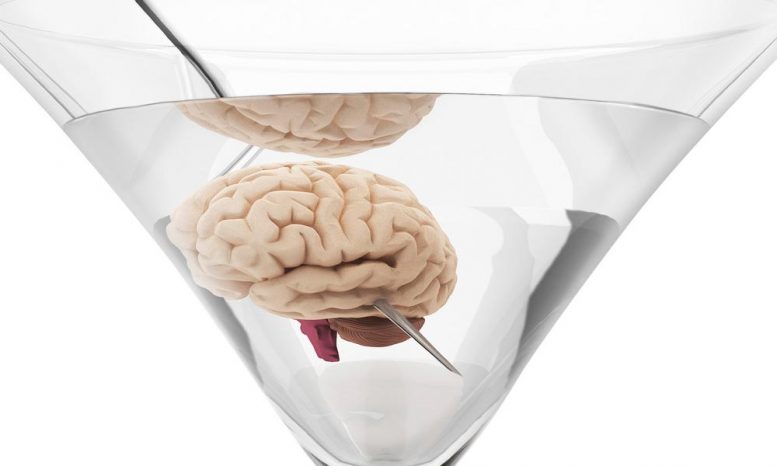
The evidence for the harmful effects of alcohol on brain health is compelling, but now experts have pin-pointed three key time periods in life when the effects of alcohol are likely to be at their greatest.
Writing in The BMJ in December 2020, researchers in Australia and the UK say evidence suggests three periods of dynamic brain changes that may be particularly sensitive to the harmful effects of alcohol: gestation (from conception to birth), later adolescence (15-19 years), and older adulthood (over 65 years).
They warn that these key periods “could increase sensitivity to the effects of environmental exposures such as alcohol” and say harm prevention policies “must take the long view.”
Globally, around 10% of pregnant women consume alcohol, with the rates considerably higher in European countries than the global average, they write.
Heavy alcohol use during pregnancy can cause fetal alcohol spectrum disorder, associated with widespread reductions in brain volume and cognitive impairment. But data suggest that even low or moderate alcohol consumption during pregnancy is significantly associated with poorer psychological and behavioral outcomes in offspring.
In terms of adolescence, more than 20% of 15-19 year olds in European and other high income countries report at least occasional binge drinking (defined as 60 g of ethanol on a single occasion), they add.
Studies indicate that the transition to binge drinking in adolescence is associated with reduced brain volume, poorer white matter development (critical for efficient brain functioning), and small to moderate deficits in a range of cognitive functions.
And in older people, alcohol use disorders were recently shown to be one of the strongest modifiable risk factors for all types of dementia (particularly early onset) compared with other established risk factors such as high blood pressure and smoking.
Although alcohol use disorders are relatively rare in older adults, the authors point out that even moderate drinking has been shown to be linked to a small but significant loss of brain volume in midlife, although further studies are needed to test whether these structural changes translate into functional impairment.
Furthermore, demographic trends may compound the effect of alcohol use on brain health, they write. For example, women are now just as likely as men to drink alcohol and experience alcohol related harms, and global consumption is forecast to rise further in the next decade.
The effects of the covid-19 pandemic on alcohol use and related harms are unclear, but alcohol use increased in the long term after other major public health crises, they add.
As such, they call for an integrated approach to harm reduction at all ages.
“Population based interventions such as guidelines on low risk drinking, alcohol pricing policies, and lower drink driving limits need to be accompanied by the development of training and care pathways that consider the human brain at risk throughout life,” they conclude.
Reference:
“Lifetime perspective on alcohol and brain health” by Louise Mewton, Briana Lees and Rahul Tony Rao, 4 December 2020, BMJ. DOI: 10.1136/bmj.m4691
Profound and true observation. Also - moderation in all things is always a good practice. My wife works as a nurse in a gastroenterology practice. Cirrhosis and liver cancer are epidemic among heavy drinkers and those who were binge drinkers in college and early adulthood.
But there's a pretty quick recovery if you stop once in a while! (Witness Winston Churchill.)
ML/NJ
Haven’t they been saying this for about 100 years?
Though if it did apply to me, I wonder how much I'd have to drink to kill enough brain cells to become a liberal?
I quit drinking my beloved IPAs last September and have lost an astonishing 30lbs. Unreal.
My expiration date was quite a while ago. I still drink wine, bourbon, and tomorrow am being treated to a superb Chateaux d’Yquem compliments of one of my children for New Years Day dinner.
It hasn’t seemed to affect my brain other than an occasional lapse when I tell a neighbor pest, “I forgot (you came home, rang my doorbell, wanted to gossip).
later
I found it.....................
My ex wife is 68. For the last 29 years, after our divorce, she has consumed unbelievable amounts of alcohol, prescription and illegal drugs, but she keeps on going with few consequences. she’s still attractive, a little slow and a real bitch. And, she will live to be at least one day older than med.
What’d you say?
No, but higher taxes on all alchol beverages. After all it is for the children.
Ha ha ha! Good! Please keep it. Happy New Year 2021!
I wonder, are these the same ‘experts’ who tell us a little wine and cheese can go a long way to staving off dementia? Sounds similar to the ‘experts who warned of a looming Ice Age, then switched their meds and now warn of anthropogenic glo bull warming.
Drinking may eventually destroy your brain....but it makes the people around you smarter and better looking!
As the new President of Alcoholics Unanimous, I object! I’ll toast to that!
This thread should be a peach :)
Science has lost its mind.
I’m sure somewhere in those 5,000 pages of giveaways, there’s some funds for weird science experiments that will prove either worthless or wrong or both.
Hope you’re well :)
“Chill scrote. Plenty of tards are livin kick ass lives. My ex wife is tarded, she’s a pilot now.”
Change your IV to EverClear, and the Red Chinese CCP Red Death Virus won’t come near you.
Disclaimer: Opinions posted on Free Republic are those of the individual posters and do not necessarily represent the opinion of Free Republic or its management. All materials posted herein are protected by copyright law and the exemption for fair use of copyrighted works.