
Posted on 03/22/2026 2:04:55 PM PDT by MinorityRepublican
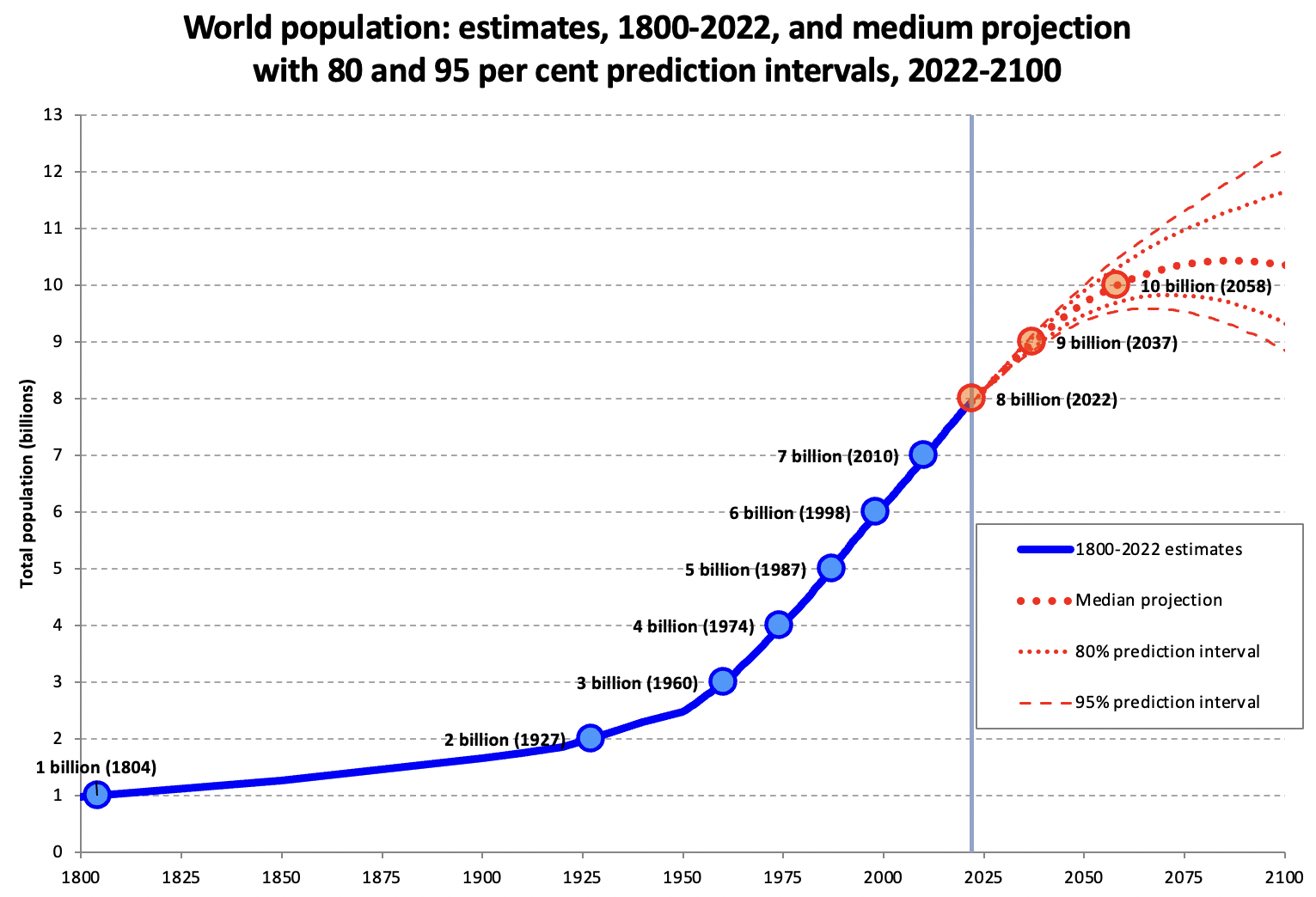
The global population structure is undergoing an unprecedented shift. According to the latest data from the United Nations’ World Population Prospects 2024, an estimated 1.5 billion babies were born worldwide between 2015 and 2025.
However, after peaking in 2016, annual birth numbers have generally trended downward. Despite brief periods of recovery, births in 2025 are projected to remain approximately 8.6% below the peak.
Looking back at the past decade, 2016 marked the last peak of global fertility, with births reaching 144.85 million—the highest point during this period.
Thereafter, the number of newborns worldwide began to decline year by year, dropping slightly to 143 million in 2017, falling below 140 million in 2018, and reaching just 138 million in 2019, indicating that global fertility momentum has entered a long-term slowdown.
(Excerpt) Read more at jacksonville.com ...
Millennials and Gen Z in the US are not reproducing at sustainable levels. We are going to have a demographic problem here. There will be a lot of pressure to have work performed by AI and automated systems because we won’t have enough young people to do a lot of the work.
This is going to be a massive change for society.
I think births in Africa, India, South America and the Middle east are probably chugging along just fine. That’s where the growth is. Jesus talked about the end of the time of the gentiles. I think He was talking about Western Civilization, and I think we are reaching our end.
Isn’t 9 billion enough?
Where is the wage inflation? Answer: there is none indicating a surplus’s of workers.
So far, we're okay. The problem is that we are providing Social Security and Medicare to the elderly. We may have to raise the retirement age to 75.
The top 50 countries by nominal GDP (using the latest available IMF projections for 2026, as the current date is March 22, 2026) are listed below, ordered by their total fertility rate (TFR, births per woman) from highest to lowest.
TFR data is based on the most recent estimates (primarily UN World Population Prospects or similar recent sources around 2023–2025, as fertility changes slowly year-to-year).
Note: Fertility rates are generally higher in emerging economies (often in Africa, South Asia, and parts of the Middle East) and much lower in developed/high-income economies (especially East Asia and Europe).
Among the top 50 largest economies, the highest TFRs are in countries like Nigeria, Pakistan, Egypt, and India, while the lowest are in South Korea, Japan, Italy, Spain, and China.
1. Nigeria — TFR ? 5.2–5.4 (highest among top 50)
2. Pakistan — TFR ? 3.3–3.6
3. Egypt — TFR ? 2.8–3.0
4. Philippines — TFR ? 2.5–2.7
5. India — TFR ? 2.0–2.1
6. Indonesia — TFR ? 2.1–2.2
7. Bangladesh — TFR ? 1.9–2.0
8. Israel — TFR ? 2.9 (notable outlier among high-income)
9. Saudi Arabia — TFR ? 2.2–2.4
10. South Africa — TFR ? 2.3–2.4
11. Turkey — TFR ? 1.8–2.0
12. Mexico — TFR ? 1.8–2.0
13. Argentina — TFR ? 1.5–1.7
14. Brazil — TFR ? 1.6–1.7
15. Vietnam — TFR ? 1.9–2.0
16. Malaysia — TFR ? 1.8
17. Colombia — TFR ? 1.7–1.8
18. Thailand — TFR ? 1.4–1.5
19. United States — TFR ? 1.6–1.7
20. France — TFR ? 1.7–1.8
21. United Kingdom — TFR ? 1.5–1.6
22. Canada — TFR ? 1.4–1.5
23. Australia — TFR ? 1.6
24. Russia — TFR ? 1.4–1.5
25. Poland — TFR ? 1.3–1.4
26. Netherlands — TFR ? 1.5
27. Belgium — TFR ? 1.5
28. Sweden — TFR ? 1.6
29. Switzerland — TFR ? 1.5
30. Austria — TFR ? 1.4
31. Norway — TFR ? 1.4–1.5
32. Denmark — TFR ? 1.6
33. Ireland — TFR ? 1.6–1.7
34. Germany — TFR ? 1.4–1.5
35. Romania — TFR ? 1.6
36. Czech Republic — TFR ? 1.6
37. Portugal — TFR ? 1.3–1.4
38. Finland — TFR ? 1.3–1.4
39. Iran — TFR ? 1.7
40. United Arab Emirates — TFR ? 1.4
41. Singapore — TFR ? 1.0–1.1
42. Hong Kong — TFR ? 0.8–1.0
43. Spain — TFR ? 1.2
44. Italy — TFR ? 1.2
45. China — TFR ? 1.0–1.1
46. Japan — TFR ? 1.2–1.3 (very low)
47. South Korea — TFR ? 0.7–0.8 (lowest among top 50, and globally among the lowest)
This ordering prioritizes the top 50 GDP economies (nominal terms, IMF 2026 projections), sorted descending by fertility rate within that group. Exact TFR values can vary slightly by source (e.g., UN vs. World Bank vs. national stats) and year, but the relative order is consistent across recent data: sub-Saharan African and some South Asian economies rank highest, while East Asian and many European ones rank lowest.
And you are, of course, wrong.
75 year old roofers and framers? Hell, during slavery the retirement age was way before 60.
Except for Israel (anomaly for a wealthy nation due to having an above replacement fertility rate), most advanced countries have stable governments so they can take care of their senior citizens as they age.
So if you live in a country with a dysfunctional government, you'll have children so they'll take care of you when you get old.
After that COVID vaccine there were tons of miscarriages.
Every time there’s an ad on TV for ‘Save The Children’ and they show babies starving in third world countries, I immediately wonder, how can their malnourished mothers keep poppin’ out these babies?
When you’re starving yourself, your reproductive system tends to shut down. You stop having periods, etc.
Who’s lying to me, here?
We have an extremely generous social welfare state. None of it is sustainable. To naturally sustain Social Security without immigration or policy changes, the U.S. would need a fertility rate of roughly 2.3–2.5 children per woman.
Family ties are stronger in nations with a dysfunctional government.
Wasn’t that the object of covid??
I think respect for one’s parents and the elderly in general has been a hallmark of Asian societies even in times of stability. It’s an inherent cultural value, not just a result of dysfunction.
If anything, it’s material progress and wealth that erode it.
That may be true but their birth rates (1.0) are even lower than the nations in the West (1.5)
The Gentiles is everyone who isn’t Jewish.
Disclaimer: Opinions posted on Free Republic are those of the individual posters and do not necessarily represent the opinion of Free Republic or its management. All materials posted herein are protected by copyright law and the exemption for fair use of copyrighted works.