
It’s a dumping ground for fake everything.
The government should be testing this (these agencies are flooded with money and give us little in return) and holding the companies liable.
Bookmark!
I’ve noticed sometimes EVOO doesn’t taste so great. But why does it have to be imported?
“the so-called “nectar of the gods”
I thought was beer. 😏
I know little about olive oil and I have never purchased a bottle from him but I understand a Canadian named Frank Giustra sells his own olive oil.
High quality, but expensive.
Full disclosure: As far as I know he is an honest businessman. However, his businesses really took off after becoming buddies with Bill Clinton in the early 1990s.
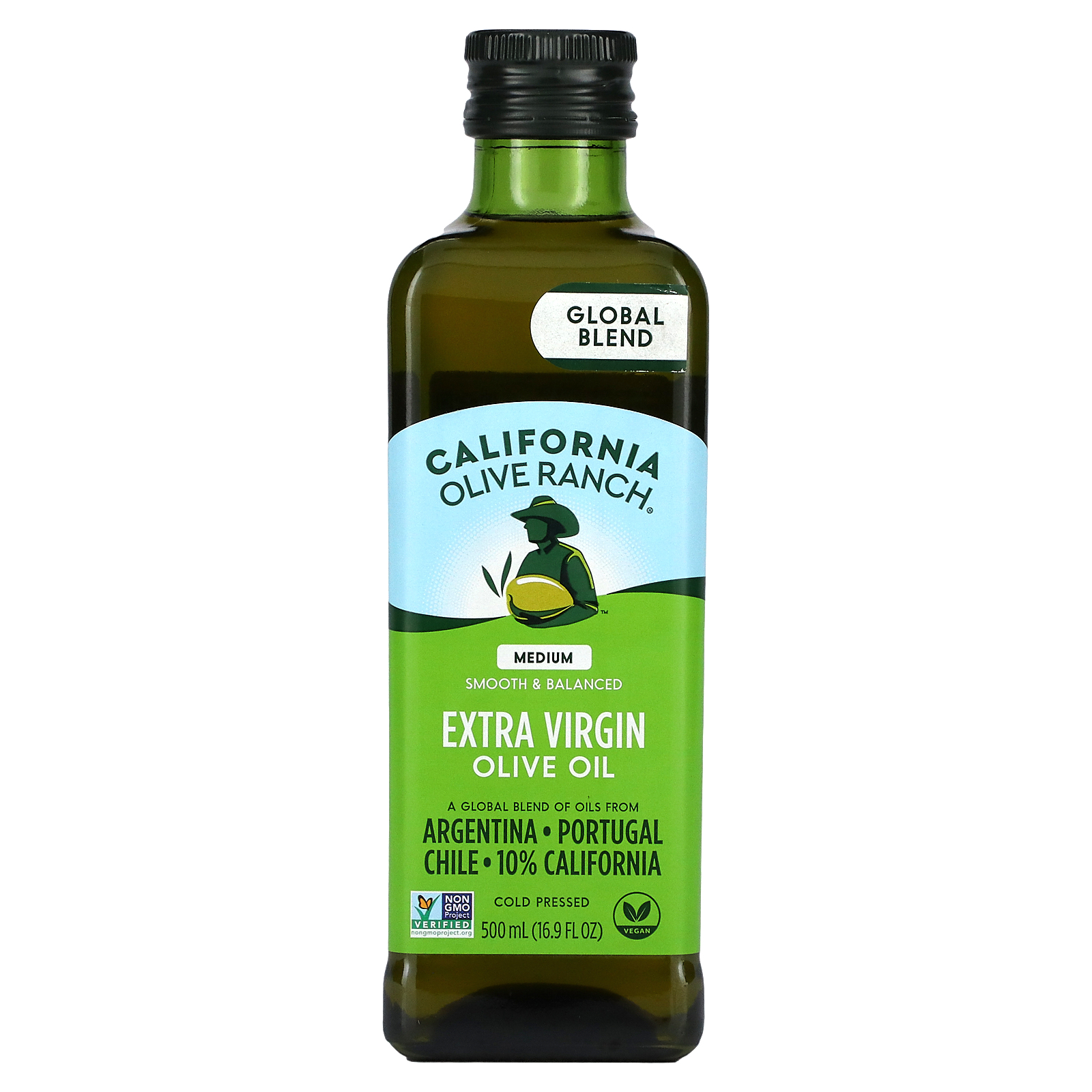
Yes, you still can buy the pure California stuff, but it’s really expensive. I don’t know who to blame for that, Biden or Newsom. It’s probably both.
I think you either have to buy domestic or Spanish olive oil.
But they don't you in this article...
start voting with their wallets
That's exactly how the market economy free from gov't interference works. The voluntary cooperation between buyers and sellers in the marketplace free from gov't interference. Sooner or later inferior quality brands and/or too-high priced brands will lose to better quality and better prices. Why? because of consumer self interest.
Consumer self interest is what runs the show in the free market economy and is why gov't command and control economy loses EVERY TIME. Gov't couldn't' care less about your interests but YOU care greatly about your interests.
Ping!....................
Do your research.
It’s true. I’m flummoxed. Even the organic variety I once used ‘changed’ at some point and I missed the very subtle change on the label from California EVOO to a mix of EU countries, billing itself on the front label as ‘Napa Valley’ to this day.
Kirkland now carries what is billed as “100% Italian EVOO” but it’s not organic, and their organic EVOO hails from a number of EU countries. (my preference is organic)
Don’t even get me started on the fraud under a mix of other brands; there are a bevy of articles outlining the fraud over the years. I might have to go back to McEvoy Ranch organic EVOO (it’s quite expensive).
https://www.mcevoyranch.com/collections/olive-oil
Go buy your olive oil at Costco. They won’t sell fake olive oil.
Lying about being Virgin?
Like THAT has never happened before . . .
Great, I can’t wait until some lawyer decides to file a Class Action Lawsuit against Costco, Walmart, Whole Foods, Kroger and several other grocers for selling Fake Olive oil.
Was this written by an overly excited teenager?
Anyway, old news.
They did the math a long time ago that there is no way the known olive orchards could yield the tonnage of olive oil being sold.
How to tell if olive oil is real refrigerator
The refrigerator test is a common method claimed to distinguish real from fake olive oil. According to some sources, genuine extra-virgin olive oil (EVOO) will congeal or solidify when stored in the refrigerator due to its high wax content. However, this test is not foolproof and may not always yield accurate results.
Limitations:
Variability in oil composition: Different olive oil varieties and production methods can affect the wax content and behavior in the refrigerator. Some high-wax varieties may solidify, while others may not.
Temperature and storage conditions: The temperature and storage conditions of the refrigerator can influence the test’s outcome. For example, if the refrigerator is not cold enough (e.g., above 40°F/4°C), the oil may not congeal.
Adulteration and blending: Fake or adulterated olive oils may still pass the refrigerator test, as they can contain similar chemical compounds to genuine EVOO.
Other Indicators:
Taste: Genuine EVOO typically has a distinct, fruity flavor with notes of bitterness and pepperiness. Fake or adulterated oils may lack these characteristics or have an unpleasant taste.
Color: Early-harvest olives produce greener oils, while later-harvest olives yield more yellowish oils. However, color alone is not a reliable indicator of authenticity.
Certifications and labels: Look for certifications from reputable organizations like the International Olive Council (IOC) or the North American Olive Oil Association (NAOOA). Some brands may also display quality seals or labels indicating their commitment to authenticity.
Conclusion:
While the refrigerator test can be a useful indicator, it is not a definitive method for determining the authenticity of olive oil. A combination of taste, color, and certifications/labels can provide a more comprehensive assessment. Always prioritize high-quality, reputable brands and be cautious of extremely low prices, as they may indicate adulteration or low-quality oil.
For those of us who make soap this is not a big shocker. It’s been a known problem for years.