To: Diana in Wisconsin
Cheesy Ping..................
2 posted on
12/24/2025 4:53:46 AM PST by
Red Badger
(Iryna Zarutska, May 22, 2002 Kyiv, Ukraine – August 22, 2025 Charlotte, North Carolina Say her name)
To: Red Badger
Sounds like a well done study, much better than most.
It shows Alzheimer’s is a very complex disease.
3 posted on
12/24/2025 5:01:38 AM PST by
marktwain
(----------------------)
To: Red Badger
How many dropped dead of heart attack?
To: Red Badger
9 posted on
12/24/2025 5:38:47 AM PST by
fso301
To: Red Badger
10 posted on
12/24/2025 5:39:05 AM PST by
sauropod
To: Red Badger
The key is the “Food Matrix”. (I’d never heard of it before). The food matrix refers to the complex physical and chemical structure of a whole food—how its nutrients (like fats, proteins, vitamins, and minerals) are organized, bound together, and interact. It’s not just about individual nutrients (which are called “isolated”); the matrix influences how the food is digested, absorbed, and metabolized in the body. In simple terms: food is more than the sum of its parts.
Cheese provides one of the best examples of the dairy matrix effect. Even though cheese is high in saturated fat (often 20-35%), its unique structure appears to blunt or neutralize the negative effects typically associated with saturated fats, such as raising LDL (“bad”) cholesterol.
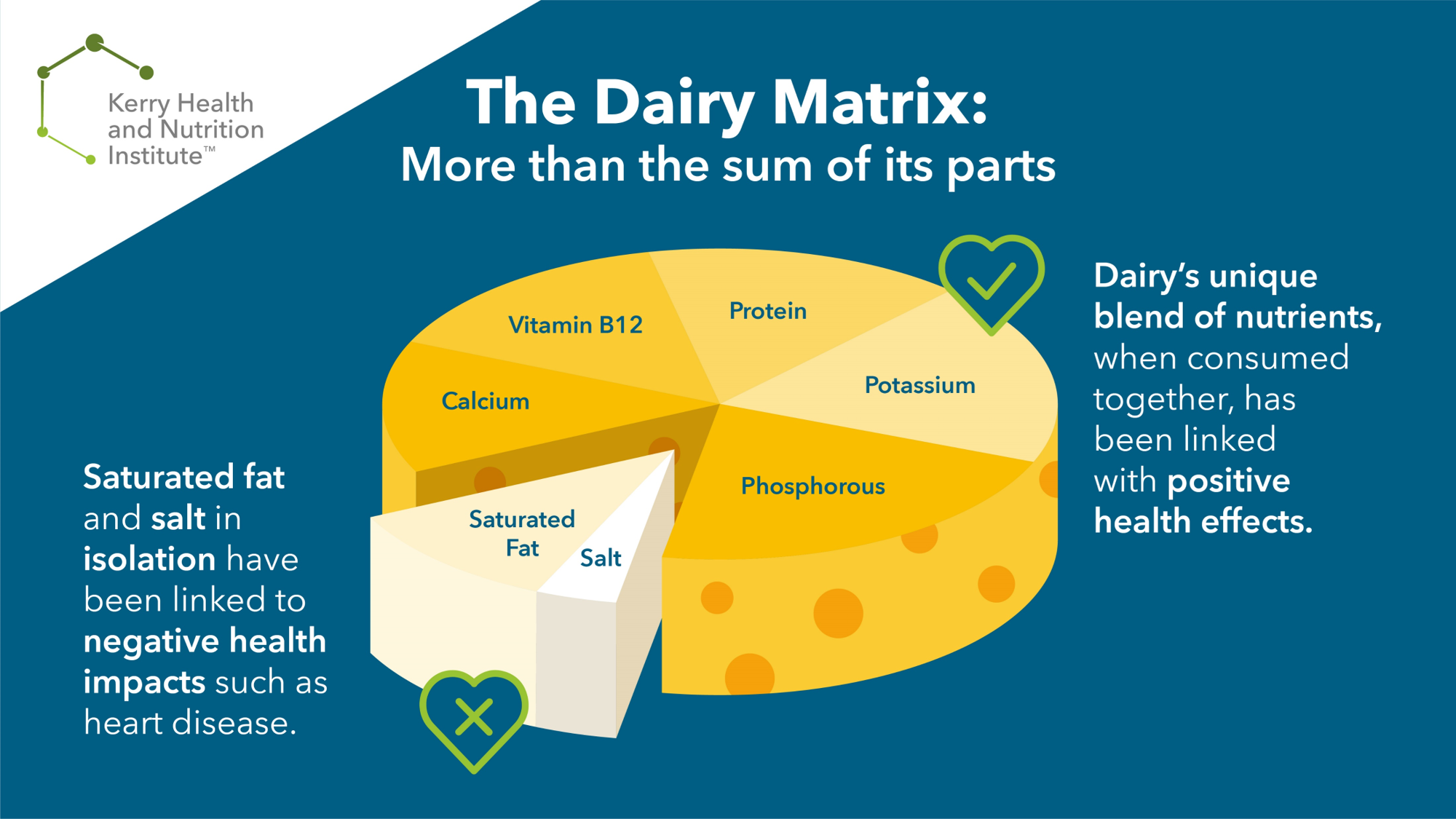
Cheese exemplifies the dairy matrix effect. Despite high saturated fat (20–35%), its structure often neutralizes expected harms like raising LDL cholesterol.
Key Cheese Matrix Components
- Casein proteins: Form a gel-like network, cross-linked by calcium.
- Fat globules: Trapped in the protein structure.
- Calcium/phosphorus: Bind fats and aid excretion.
- Fermentation byproducts: Bioactive peptides and compounds from ripening.
Health Impact (Saturated Fat)
- Calcium forms “soaps” with fatty acids → excreted, not absorbed.
- Protein slows digestion → limits rapid fat release.
- Fermentation benefits gut health and reduces inflammation.
- Semi-solid form alters nutrient release vs. milk or butter.
Supporting Evidence:
- RCTs: Cheese lowers LDL more than equal fat from butter.
- Meta-analyses: Cheese neutral or beneficial for heart risk.
- Swedish dementia study: High-fat cheese linked to lower risk, likely via matrix protecting vascular health.
Butter lacks this structure, so its fats impact cholesterol more directly.
The matrix explains why full-fat cheese often shows neutral/positive outcomes despite saturated fat. It challenges blanket low-fat advice—whole fermented dairy like cheese behaves uniquely.
To: Red Badger
The cheeses involved were cheddar, Parmesan, Gouda, Gruyère (sp?), Brie, and Mozzarella.
Also, did you hear about the explosion at the cheese factory?
Da Brie was everywhere!
To: Red Badger
22 posted on
12/24/2025 6:18:28 AM PST by
Diana in Wisconsin
(I don't have, 'Hobbies.' I'm developing a robust Post-Apocalyptic skill set.)
To: Red Badger
I can dig it. Love cheese, but hate milk and yogurt.
23 posted on
12/24/2025 6:22:13 AM PST by
MayflowerMadam
( "Trouble knocked at the door, but, hearing laughter, hurried away". - B. Franklin)
To: Red Badger
Correlation is not cause. Let’s have some proof of how this allegedly works.
31 posted on
12/24/2025 7:46:48 AM PST by
I want the USA back
(America is once again GREAT! Blue Lives Matter! White lives matter. )
To: Red Badger
Great!
I’ll be making up an hors d’oeuvres tray for relatives for later today (Christmas Eve!) - and will make cheese the featured item.
I can now tell everyone to eat up! - that high fat cheese prevents dementia.
33 posted on
12/24/2025 7:58:02 AM PST by
Bon of Babble
(You Say You Want a Revolution?)
To: Red Badger
Turns women’s diets are not healthy.
35 posted on
12/24/2025 8:11:39 AM PST by
bray
(It's not racist to be racist against races the DNC hates.)
To: Red Badger
There is, therefore, a concern that statins (cholesterol-lowering drugs) contribute to dementia
37 posted on
12/24/2025 9:07:33 AM PST by
PGR88
To: Red Badger
FreeRepublic.com is powered by software copyright 2000-2008 John Robinson
