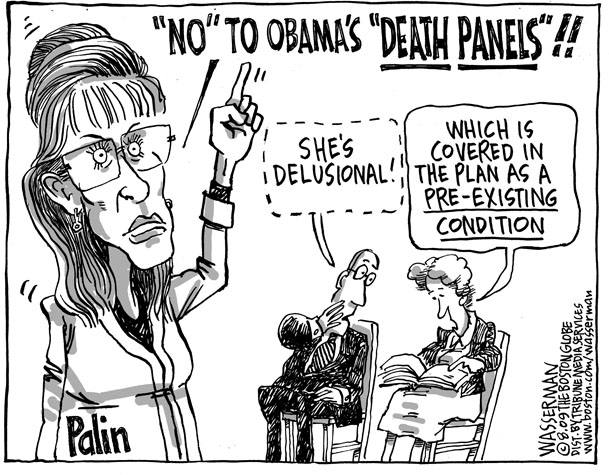
Remember how she was made fun of for that? Yesterday's conspiracy theories are today's reality.
Posted on 02/16/2022 12:46:34 PM PST by nickcarraway
University of Iowa’s Dr. Lauris Kaldjian discusses ethics behind basing care on COVID vaccine status
Should COVID-19 vaccine status determine health care?
Ethics in medicine tell us providers should never limit or deny care to someone based on vaccine status, a University of Iowa expert says.
The pandemic’s latest surge, driven by the highly transmissible omicron variant of the coronavirus, resulted in a major uptick in COVID-19 cases that threatened to overwhelm hospitals in Iowa and across the nation. Health care system leaders warned they may not have capacity for all patients in need if they ever reached their breaking point.
The situation has changed, and hospitalizations statewide have been dropping in recent weeks. Case counts and positivity rates are also on the decline, according to the latest coronavirus data.
Even at the height of the surge, vaccination rates did not dramatically change. As of this week, about 61 percent of all eligible Iowans 5 and older are fully vaccinated. In most cases, the most severely ill patients in hospitals were those not fully vaccinated.
Some have argued unvaccinated patients should be prioritized last for care, or even be turned away all together. Many people have expressed these opinions on social media. Some public figures — such as Howard Stern — used their platforms to voice these thoughts publicly.
But according to the Hippocratic oath and other principles followed by medical professionals, a patient’s choice to not be vaccinated should not be a basis to deny them care.
“It would be unethical to refuse to treat a patient who is in need of medical care,” said Dr. Lauris Kaldjian.
“When we treat people according to their needs, we don’t withhold treatment when someone has not done what we think they could have done to avoid getting sick.” — Dr. Lauris Kaldjian, University of Iowa ethicist Kaldjian is the Richard M. Caplan Chair in biomedical ethics and medical humanities at the University of Iowa Carver College of Medicine, where he teaches ethical decision-making in the clinical setting and other topics to medical students.
He’s also on the ethics committee at the University of Iowa Hospitals and Clinics and serves as a consultant on the hospital’s ethics consult service, helping other providers navigate the moral and ethical issues that may arise in patient care.
Health care providers must treat all patients equally based on their needs, and not their merit or on what someone else thinks they deserve, Kaldjian said.
“And when we treat people according to their needs, we don’t withhold treatment when someone has not done what we think they could have done to avoid getting sick,” he said.
In a hypothetical situation where COVID-19 overwhelms hospital resources and limits capacity, that duty remains the same, Kaldjian said.
That’s also true whether patients have followed other healthy behaviors recommended by providers. A smoking habit, for example, wouldn’t stop them from receiving treatment, he said.
Access to care traditionally not based on patient behavior Ethics must be consistent, Kaldjian said. Because access to health care has not been based on patients’ behavior before, it should not apply to this modern question around COVID-19 vaccinations.
“Generally, we can’t just apply it to the thing we care about right now in the moment,” he said. “We need to ask, what are the implications for this reason? If we don’t like the broader implications of that reason, then you have to retract and realize the reason wasn’t as compelling as it felt like it was.”
It is a care provider’s job is to recommend treatments to improve patients’ health, and education about the importance of healthy habits, including vaccinations, is part of that role.
But at the same time, they should never force patients to accept treatments they don’t want. Kaldjian said medical professionals should respect patients’ dignity and freedom to make decisions — “even if we think a patient is making a decision that will bring them harm.”
“This is a basic liberty we should all respect, and it gets at another fundamental part of medical ethics, which is the need to respect patients as persons, rather than treating them as mere bodies,” Kaldjian said.
The American Medical Association, the largest association of physicians in the country, continually emphasized this commitment as calls to deny care to unvaccinated people have persisted throughout the pandemic.
Comparison to AIDS epidemic in 1990s Kaldjian said he saw a similar scenario in the 1990s during the AIDS epidemic. There was a belief among some that patients with HIV infections should not be cared for because they were responsible for their infection. However, Kaldjian said the broader medical community spoke out against this belief and reaffirmed the duty to care for all patients, regardless of the choices that may have led to their infection.
It’s also important to consider why people may choose not to be vaccinated against COVID-19. Kaldjian said it’s safe to assume everyone wants to do what is healthy for them, and that they may have a good reason for believing the vaccine is the best way to be healthy.
“What is most likely happening in such cases, I think, is that people who decline vaccination have simply reached a different conclusion about the benefits and risks of vaccination,” he said.
Hippocratic Oath be damned, gg. /s
Read and watch vid
https://www.aier.org/article/get-comfortable-with-being-uncomfortable/
Excellent video of a speech by this woman about freedom and how if we all don’t begin to realize we going to become”uncomfortable” and throw off the chains of tyranny that it’s going to be too late. Highly recommend watching.
Remember how she was made fun of for that? Yesterday's conspiracy theories are today's reality.
if don’t realize we’re going to have to become uncomfortable I meant
The University of Iowa is not noted as a bastion of rational thought so it is good to see a doctor lay out a cogent argument for treating everyone the same.
Sure. And let’s deny medical care to the vaxxed who have, strokes, heart issues, recurrence of cancer, etc
Idiots
And we taxpaying schmucks supposedly have a moral obligation to foot the bills for death row inmates to receive chopadickoffames and addadicktomes. To even float such a question flies in the face of the Hippocratic (Hypocritical?) Oath. So much for PHYSICIAN DO NO HARM🤬🤬
An unjabbed friend has two events coming up: Federal Jury Duty, and annual checkup at Cleveland Clinic. This could be interesting.
Anyone who has ever lived anywhere there was even one stair should be denied medical treatment.
If AIDS had been transmissible by aerosol, the wearing of masks in public would have been made illegal.
Knowing whst u know about being on jury.... not havin’ a covid shot ain’t gonna get him outta jury duty.
You can be on deaths bed and you’d better be able to prove it. Lol
—> Stairs are a well known preexisting condition.
Anyone who has ever lived anywhere there was even one stair should be denied medical treatment.
And fast food!
And cars!
And swimming!
Knowing what I know
-PJ
Watch out when the media asks itself a question.
So should smokers who don’t quit be denied care for lung cancer and other lung diseases? This is only a ploy to deny conservatives basic healthcare.
Do they still have to pay the insurance premiums? How about if they aren’t paying premiums?
This is illegal and discriminatory. It shows that the covid crisis emboldened these people and now they think they can impose their will on the rest of the people.
If this is allowed, other things will follow, including compulsory euthanasia.
Well the vaccinated do need more healthcare because of the poison jabs
And here it comes, next it will be Booze, Soft Drinks, Bacon, Meat period... Once that door is opened there will be no shutting it.
Disclaimer: Opinions posted on Free Republic are those of the individual posters and do not necessarily represent the opinion of Free Republic or its management. All materials posted herein are protected by copyright law and the exemption for fair use of copyrighted works.