Posted on 07/26/2021 11:30:21 AM PDT by Red Badger
A 1% increase in this substance in the blood is associated with a change in mortality risk similar to that of quitting smoking.
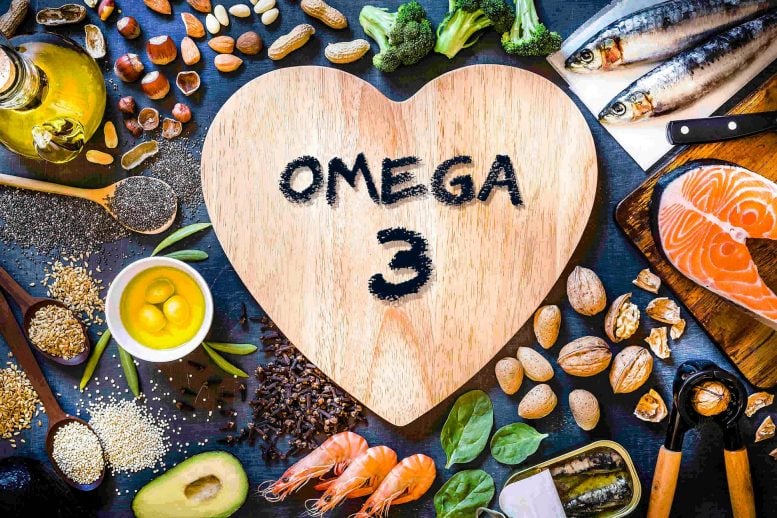
Levels of omega-3 fatty acids in the blood are as good a predictor of mortality from any cause as smoking, according to a study involving the Hospital del Mar Medical Research Institute (IMIM), in collaboration with The Fatty Acid Research Institute in the United States and several universities in the United States and Canada. The study, published in The American Journal of Clinical Nutrition, used data from a long-term study group, the Framingham Offspring Cohort, which has been monitoring residents of this Massachusetts town, in the United States, since 1971.
Researchers have found that omega-3 levels in blood erythrocytes (the so-called red blood cells) are very good mortality risk predictors. The study concludes that “Having higher levels of these acids in the blood, as a result of regularly including oily fish in the diet, increases life expectancy by almost five years,” as Dr. Aleix Sala-Vila, a postdoctoral researcher in the IMIM’s Cardiovascular Risk and Nutrition Research Group and author of the study, points out. In contrast, “Being a regular smoker takes 4.7 years off your life expectancy, the same as you gain if you have high levels of omega-3 acids in your blood,” he adds.
2,200 people monitored over eleven years The study analyzed data on blood fatty acid levels in 2,240 people over the age of 65, who were monitored for an average of eleven years. The aim was to validate which fatty acids function as good predictors of mortality, beyond the already known factors. The results indicate that four types of fatty acids, including omega-3, fulfill this role. It is interesting that two of them are saturated fatty acids, traditionally associated with cardiovascular risk, but which, in this case, indicate longer life expectancy. “This reaffirms what we have been seeing lately,” says Dr. Sala-Vila, “not all saturated fatty acids are necessarily bad.” Indeed, their levels in the blood cannot be modified by diet, as happens with omega-3 fatty acids.
These results may contribute to the personalization of dietary recommendations for food intake, based on the blood concentrations of the different types of fatty acids. “What we have found is not insignificant. It reinforces the idea that small changes in diet in the right direction can have a much more powerful effect than we think, and it is never too late or too early to make these changes,” remarks Dr. Sala-Vila.
The researchers will now try to analyze the same indicators in similar population groups, but of European origin, to find out if the results obtained can also be applied outside the United States. The American Heart Association recommends eating oily fish such as salmon, anchovies or sardines twice a week because of the health benefits of omega-3 acids.
Reference: “Using an erythrocyte fatty acid fingerprint to predict risk of all-cause mortality: the Framingham Offspring Cohort” by Michael I McBurney, Nathan L Tintle, Ramachandran S Vasan, Aleix Sala-Vila and William S Harris, 16 June 2021, The American Journal of Clinical Nutrition. DOI: 10.1093/ajcn/nqab195
That’s what’s odd about all these diet studies. One will say X is bad for you, then six months later another will say X is good for you. I was told I need some calcium in my diet, so it was recommended I eat yogurt. What I miss the most is my bi-weekly dose of KFC. Don’t know if it’s the salt or the 17 herbs and spices, but I’m going through major withdrawal.
Do like I do: Cheat every once in a while..................
Active components of the “Relief Factor” pain management program. You sign up for the $19.95 beginner pack, then go on a monthly regimen for about $80 a month.
What is your life worth to you? Ask Pat Boone or Dr. Sebastian Gorka.
Moderation in everything, including moderation.
The four ingredients in that supplement can all be ingested naturally. Turmeric is available fresh or dried, resveratrol is found in grapes, omega threes in a variety of sources, and icariin simply promotes nitric oxide production.
I ran across a video about foraging for food & it mentioned purslane, which I have all over my yard. Apparently a very beneficial food source. I haven’t tried any yet, but was thinking of ‘harvesting’ some this afternoon to try.
https://www.mexicoinmykitchen.com/purslane-recipe-steamed/
“In case you want to know what other benefits you can obtain from consuming Purslane, here are some of them: It is an excellent source of vitamin A, Calcium, zinc, manganese, copper, Potassium, iron, and phosphorous. Purslane is an excellent source of alpha-linolenic acid. Alpha-linolenic is an omega-3 fatty acid which plays an essential role in human growth and development and in preventing diseases. Purslane has been shown to contain five times higher omega-3 fatty acids than spinach.”
Purslane, it’s a weed here. Spreads like one,too.....................
Hold on. So if I start eating fish just twice a week I can go back to being a smoker? Cool! Oh wait, I forgot they’re not two bucks a pack anymore cause the government likes to make lots of money off our personal habits so they can send it to other countries and line pockets.
Don't eat Tilapia, it's high in omega-6, which is bad for you.
That omega-3s are good for you has been known for a very long time. What is different here from most pop-science news articles is the acknowledgement that not all saturated fats are bad for you. Despite the BS about avoiding fat we’ve been told all our lives, fat is good for you, carbs and sugar are what is killing us with heart disease and cancer.
Your name “pepsi_junkie” is probably no lie. Sugary foods are addictive and hit our dopamine receptors hard and makes you hungrier and hangrier. Then the over consumption of sugar triggers a wide range of conditions including type-2 diabetes, high blood pressure, arteriolosclerosis, fatty liver, and metabolic syndrome to name a few.
I do intermittent fasting of 24 - 72 hours and eat high fat / low carb on the meals in between. So no need to school me on the evils of sugar. My comment wasn’t on the value if Omega-3, it was on the fact that almost all nutrition science isn’t actually science since it’s basically impossible to do real clinical studies. So they fake it with meta-studies, which are junk and why we get an article one week about how eggs are killing people, the next month how they are making people live longer.
I couldn’t believe it when I saw Omega 6 supplements at the grocery store - advertised in order to get “complete Omega” and not just Omega 3.
I’m taking 3,000mg of EPA only omega-3 daily. In prescription form (vescepa) it has shown to reduce cardiac / stroke events. After prolong use it had shown to reduce existing arterial plaque. All the failed Omega 3 studies are due to mixed EPA/DHA supplements being used which is the traditional OTC fish oil blend. DHA counteracts the positive benefits of EPA.
Well, at least it’s edible if the S hits the F. :-)
https://floridaconference.com/wp-content/uploads/2020/06/Edible-Wild-Plants-of-Florida-1.pdf
https://fleetfarming.org/floridas-7-wild-edible-plants/
Those are good links. Thanks! I’m often unsure of identifying plants from pictures, just due to natural variation. Purslane is the one exception. All the pics I’ve seen (including in your first link) look EXACTLY like the plant. :-)
Disclaimer: Opinions posted on Free Republic are those of the individual posters and do not necessarily represent the opinion of Free Republic or its management. All materials posted herein are protected by copyright law and the exemption for fair use of copyrighted works.