Posted on 07/09/2025 5:13:20 AM PDT by where's_the_Outrage?
While sourdough might seem like just another type of bread you can make or buy, it actually used to be one of the only options. Until the development of commercial yeasts in the 1800s, sourdough, made with naturally occurring yeasts and lactic acid bacteria, was the main type of leavened bread consumed worldwide.
Sourdough undergoes natural fermentation rather than relying on additives found in baker's yeast. This means that, compared to other breads, it is easier to digest, has a less significant impact on blood sugar, and is potentially more nutritious.
1. It's Easier to Digest
The fermentation process used to create sourdough helps break down gluten, a protein found in grains such as wheat, barley, and rye that is resistant to digestion.....
2. It’s Better for Blood Sugar Balance
The fermentation process used to make sourdough produces organic acids, such as lactic and acetic acids, which help slow the absorption of starch in the digestive tract. When food is digested slowly, glucose is released more gradually into the bloodstream, preventing a significant spike in blood sugar levels after eating......
3. It Boosts Nutrient Absorption
Anti-nutritional factors found in whole wheat or grain breads, such as phytates, tannins, and trypsin inhibitors, can make it harder to absorb nutrients from food. Phytates, in particular, are able to bind to minerals like magnesium, calcium, and iron, blocking their absorption in the digestive tract.......
Risks of Eating Sourdough
While sourdough contains less gluten than other breads made with wheat flour, it’s not gluten-free and isn’t safe for people with celiac disease or those who are sensitive to gluten-containing foods.
If you’d like to enjoy sourdough but can’t eat gluten, choose a gluten-free sourdough product. Gluten-free sourdough bread is made with gluten-free flours such as those made with millet, sorghum, teff, quinoa, and buckwheat.
(Excerpt) Read more at msn.com ...
I like it too.
It seems to fall apart with hot sandwiches. I don’t mind the taste though.
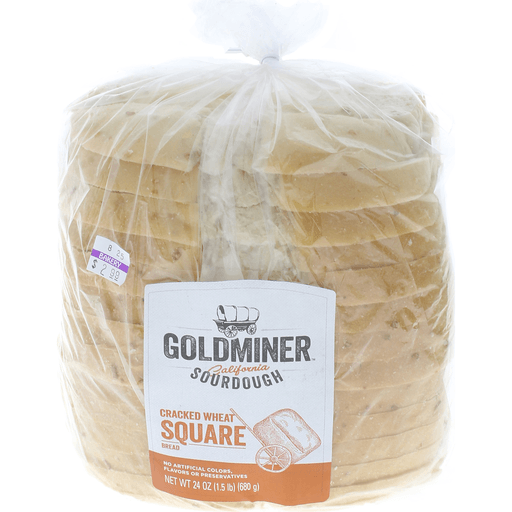
“ Vegetable oil (canola oil or soybean oil”
Cough, seed oils!, cough!
$2.99 for 24 oz. That’s cheap.
The author lost all credibility with that statement.
Sourdough products are not necessarily as described, either.
Expensive & made with highly processed white flour, most are as troublesome for the gut as the cheapest breads.
Make sourdough at home. It's easy. I keep a 3-liter mason jar full of starter - whole wheat - in my fridge between feedings and save most of my excess in the deep freeze in between baking binges. But you have to feed it regularly to prevent mold taking over, no different than caring for your gut.
Ping
Toast it a little before adding your toppers.
Tried that. With hot pastrami it falls apart.
“2. It’s Better for Blood Sugar Balance”
Note the word ‘better’ not ‘good’. Try eating 500 calories of Sourdough and the 500 calories of white bread not much difference, blood sugar SPIKES big time (assuming you’re insulin-resistant, as in diabetic or pre-diabetic).
Then eat 500 calories of beef, blood sugar barely moves.
I can eat enough sourdough bread to sink the Bismark.
That’s because it’s not got a lot of gluten. That’s what holds bread together............
Just asked my wife last nite where she got the sourdough she brought home a little while ago. Aldi’s.
Will look into this.
Beware people who can't process tyramine and who get throbbing migraine headaches.
Even Walmart has a very good sourdough bread.
There was a coffee joint by me that had fresh made sourdough muffins. Talk about something good.
Then hurrah for gluten. Because a world without hot pastrami on rye is not a world I want to live in.
I love pastrami on any type of bread.
Even CORNBREAD!.................
I’m addicted.
Can’t argue with you there.
Disclaimer: Opinions posted on Free Republic are those of the individual posters and do not necessarily represent the opinion of Free Republic or its management. All materials posted herein are protected by copyright law and the exemption for fair use of copyrighted works.