
Posted on 07/08/2026 8:01:59 PM PDT by Red Badger
A stone disk recovered from a 5,000-year-old tomb has puzzled archaeologists for generations. Its shape looks surprisingly modern, and the debate over what it was actually made for is far from over.
© Credit: Alain Guilleux
====================================================================
Found in an ancient Egyptian tomb almost a century ago, the Sabu Disk remains one of archaeology’s most unusual discoveries. Its distinctive shape has sparked countless theories over the years, even though researchers still favor a much simpler explanation.
The stone object was discovered in 1936 in the tomb of Sabu, an official buried at the Saqqara necropolis during Egypt’s First Dynasty. Dating to around 3100 to 2900 B.C., it was found broken into several pieces before being carefully reconstructed. Today, it is kept at the Egyptian Museum in Cairo.
What makes the artifact stand out is its shape. Seen from above, its three curved lobes give it a look that many people compare to a hubcap, a propeller, or even a steering wheel. That resemblance has kept the find in the spotlight for decades.
A Remarkable Elite Burial Discovery The disk came to light during excavations led by British Egyptologist Walter Emery. According to a study, published in Archaeological Discovery, he found that Sabu’s burial chamber had already been looted, with its jewelry and precious metals long gone.
Even so, the tomb still held a wealth of objects. Sabu’s skeleton remained inside a wooden coffin, surrounded by dozens of stone and pottery vessels, flint and copper tools, the remains of two oxen, and the now-famous stone disk.

Plan of Sabu’s tomb showing where the stone disk fragments were discovered. Credit: Archaeological Discovery The object itself had not survived intact. Archaeologists recovered it in fragments before restoring it, making it possible to study its unusual design.
A Stone Bowl Unlike Any Other The Sabu Disk measures 24 inches (61 centimeters) across and stands 3.9 inches (10 centimeters) high. It was carved from metasiltstone, a type of sedimentary rock that has undergone some metamorphism.
According to Egyptian archaeologist Ali El-Khouli, broad, flat stone bowls were common during Egypt’s First to Third Dynasties. This artifact is different because of its three thin, curved wings rising from the rim toward a central opening.

The reconstructed stone vessel known as the Sabu Disk. Credit: Archaeological Discovery That design is what makes the object so memorable. At first glance, it looks surprisingly modern, which helps explain why it has attracted so much attention since its discovery.
The Truth May Be Simpler Than Expected
Its unusual appearance has inspired all kinds of ideas. As reported by Live Science, some people have suggested it was part of a water turbine, while others have even linked it to an alien spacecraft. Another recent theory proposed that it may have been used as a mash tun, a vessel that holds grain and hot water during beer making.
Archaeologists, though, continue to support a far less dramatic interpretation. The same source material explained that the Sabu Disk most likely served the same purpose as other wide stone bowls in ancient Egypt, holding food or oil.
VIDEO AT LINK...............
The Mystery of the 5,000-Year-Old Disc That Rewrites the Past The material also offers an important clue. The delicate carving and the fragile nature of the metasiltstone suggest the vessel was probably never intended for everyday use. Instead, it was likely placed inside Sabu’s tomb as an offering for the afterlife, alongside the other funerary objects buried with the First Dynasty official.
What a bunch of hooey. Everybody knows it’s just the base for a fondue pot.
I included some more pictures of ancient bowls with three openings. I could see these also being used as water levels. The three rings might be to tie it under a tripod instead of running sticks through the holes as the older Egyptian stone disk.
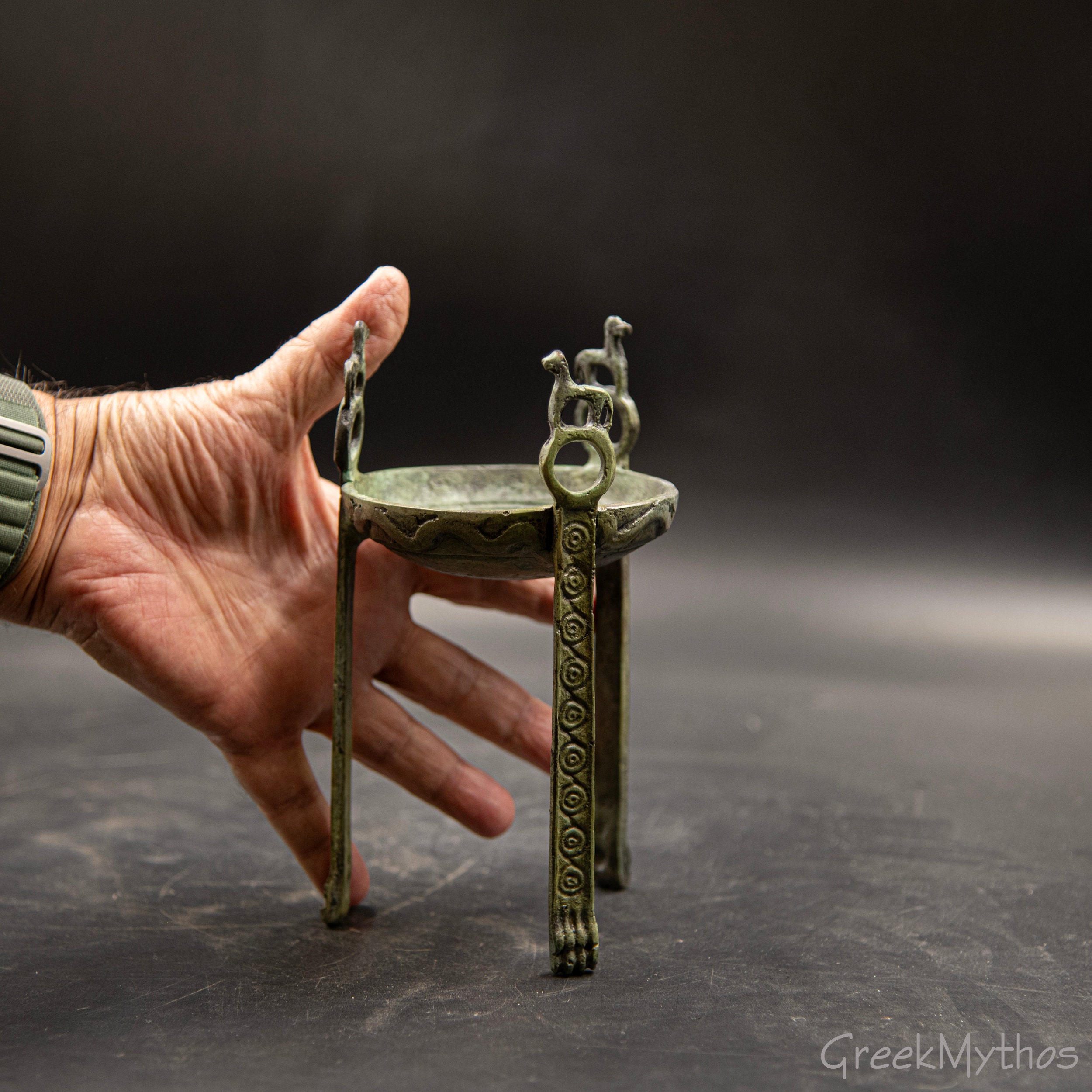
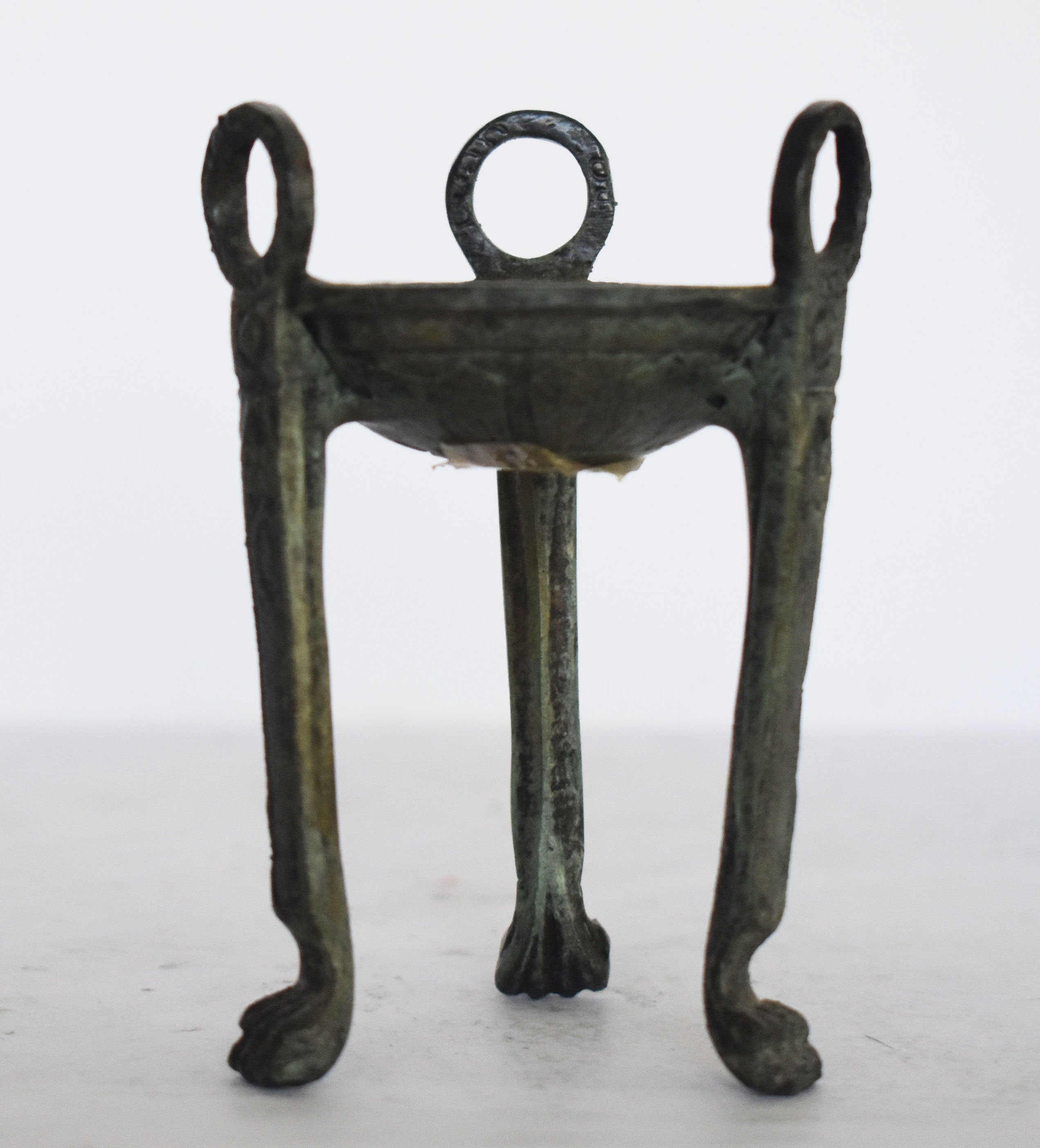
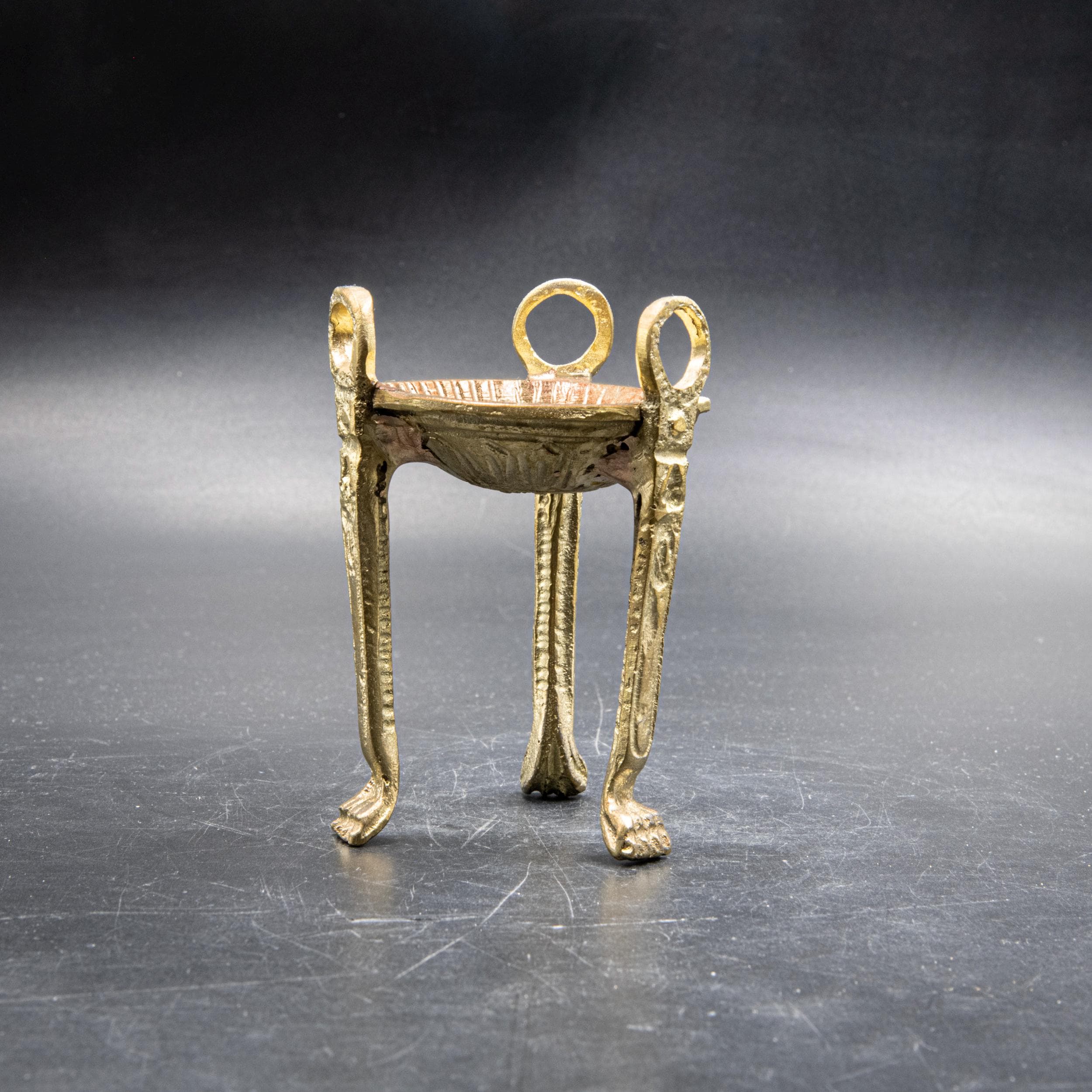

I also included an image of a modern water bubble level for a tripod.

It’s a Christmas Tree stand that makes sure your tree will never fall over.
Nope.
If you google the device, the most logical explanation is that it is a water pump/impeller.
It’s speculated the device was used as a way to move water from one location to another by using this device along with a series of similar devices mounted in a parallel manner.
https://www.ancient-origins.net/artifacts-ancient-technology/disc-sabu-0015642
The pump/impeller theory is the most logical to me, you live in Egypt, it’s hot and is mostly a desert, you have water in the Nile River, how do you get it from there to areas inland from the river.
If this theory is true, it means approximately 3000 BC the Egyptians had fairly modern technology to redirect water flow which would be remarkable.
If you google the device, the most logical explanation is that it is a water pump/impeller.
It’s speculated the device was used as a way to move water from one location to another by using this device along with a series of similar devices mounted in a parallel manner.
https://www.ancient-origins.net/artifacts-ancient-technology/disc-sabu-0015642
The pump/impeller theory is the most logical to me, you live in Egypt, it’s hot and is mostly a desert, you have water in the Nile River, how do you get it from there to areas inland from the river.
If this theory is true, it means approximately 3000 BC the Egyptians had fairly modern technology to redirect water flow which would be remarkable.
Sabu Disk, Sabu Disk, Sabu Disk, that's all folks!
JD’s thesis is that the “limestone” stones of the Great Pyramid resulted from geopolymerization.
I’d like to know how they machined a piece of rock into that shape.
Sabu was the host of the show ‘Pimp My Chariot’ 🤓
So that’s where my hubcap got to!
Couldn’t find it anywhere...
It was a thing then to have Ben Hur hubcaps.
No, really.
Did the find a stone ghetto blaster nearby
It’s a hubcap from an Anubis GT; you know, the eight-horsepower racing version…
A "Lazy Sabu"?
Curious how a replica would perform as a “propeller” or a mixer attachment.
Model this thing and see how it performs as such just for the heck of it.

I seen videos of the same sort of odd granite disk lying in the sand near Abydos. Granite is very hard material and cannot be cut using copper and pounding stone tools into such delicate shapes.
What where such things used for [ not food or wine ] and how where they made?

I used to buy lots of stuff from them!
Bought a muffler and exhaust pipe once and it came with just a mailing label on it!...............
Disclaimer: Opinions posted on Free Republic are those of the individual posters and do not necessarily represent the opinion of Free Republic or its management. All materials posted herein are protected by copyright law and the exemption for fair use of copyrighted works.
