
Posted on 01/11/2026 11:47:56 AM PST by Libloather
A grocery store receipt from 1997 shows just how much prices of everyday items have skyrocketed in less than three decades.
TikTok user Zoe Dippel shared the shockingly low costs in a viral video after a family member found the proof of purchase in a box of mementos.
“$155 for all of this!” one of Dippel’s relatives remarked after holding up the lengthy receipt from Texas chain H-E-B dated June 20, 1997.
“That’s a lot of stuff,” Dipple declared, as she started to sort through the 122 items and read the prices out loud.
The receipt revealed that Little Debbie brownies cost $1.09, Dannon yogurt was just 50 cents, and a loaf of bread was rung up for $1.26.
Meanwhile, Gerber baby food jars were 55 cents each, while a jumbo pack of Pampers diapers cost $12.99.
Today, a jar of the same baby food is $1.57, while Pampers diapers are $29.97.
The receipt additionally shows that a one-pound carton of strawberries was $1.89. Today at H-E-B, they cost $3.97.
According to the official US Census website, the median household income in 1997 was $37,005. In 2024, that number had risen to $83,730 — a little over double.
In comparison, the cost of many grocery store items has more than tripled, showing that incomes aren’t keeping pace with prices.
Dippel’s video quickly clocked up more than 2 million views, before she shared a second clip in which she tried to purchase the same 122 items online from H-E-B.
(Excerpt) Read more at nypost.com ...
And you are making more money.
The crime is the value of the dollar you may have saved has been watered down by our governments playing loose with it, spending giving it away and printing more.
Now we were entrepaneurs...my bro (4 yrs older) picked worms...a penny aworm. We'd water the lawn...and go for 300 worms. That's a lot of ice cream cones.
Bro went to golf course...picked up lost balls..did good.
Our next gig...loom pot holders....we noticed people wanted colors to match their kitchen. So we took orders and quadrupled our business...and man...were we fast.
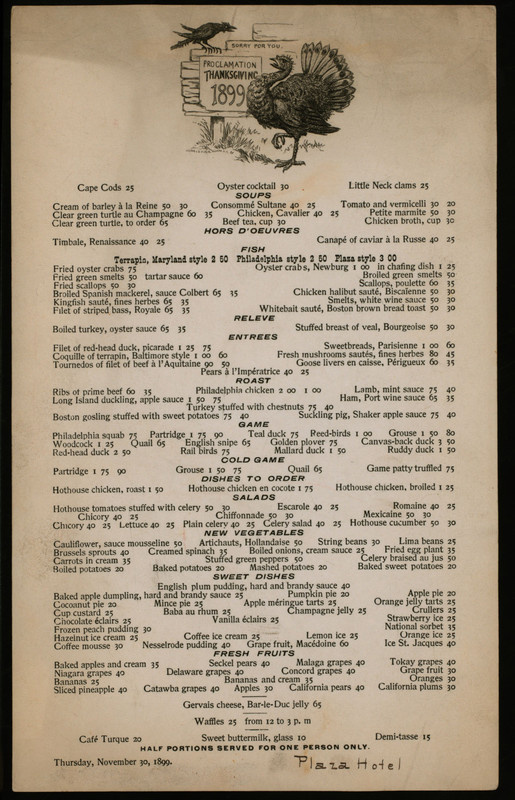
I remember the prices at the Air Force Commissary at Lackland AFB in 1963.
Issue bread-10 cents (it was a little dry and coarse so I usually paid about 26 cents for commercial brands)
5 pounds of sliced American cheese (I think was about $5)
the cheapest ground beef was 32 cents a pound
Enfamil liquid baby formula was 18 cents a can.
The inflation adjusted value of my assets in 1975 dollars when compared to today are about 17 cents on the dollar. That is false economy for you.
So, in a perfectly obvious but possibly stupid question, are we in for another round of the effects of too much stimulus?
Every time Trump tells the story he uses a different number for the amount of new money that will come into the US for new plant and such this year and what must surely be at least a short period of time afterward. He seems to settle in a range between $10 Trillion and $20 Trillion, last quote I heard him make was $18 Trillion. No matter where in that range the number lies it is a big number. For comparison, AI Date Center spending is expected to be about $500 Billion and is called a transformative investment.
Biden’s various stimuli were “only” on the order of $2 Trillion or so and they gave us between 30 and 50% inflation on some items over four years and sent money supply to new heights never before seen.
I wonder if we should be bracing ourselves for similar delights soon? The difference is this should not be printed money that devalues the dollar but new money pumped in instead. Still, it is a lot of spending and it will stimulate the economy and it will raise the M1 and M2 money supply won’t it?.
Maybe I should ask Grock.
Sure, but that’s via the state. Mississippi has no min wage.
Man, Tuesday work after that was probably pretty rough...
You think I didn't know that? Believe me, living here in Ca. I know it all too well.
True but the average income is also much higher. It’s somewhat relative.
Want to see food prices drop like a rock?
1. Get people to eat only the calories their lifestyle burns.
2. Save leftovers. Eat leftovers, instead of throwing them away. For example, just ask a landfill employee, he will tell you the amount of food ending up in landfills is shocking. (Years ago, I hauled demolition loads from jobs to 3 different landfills near the Mississippi River. The abundance of bald eagles, sea gulls, crows, etc were there living the easy pickings good life).
One should look at the date of the purchase and then find out what gold was worth on that date. Then simply do the math.
When our mom passed about 12 years ago, we were cleaning out her things
We found a receipt from 1955 from our local hospital, for the birth of my oldest sister. $210 all-in
Included 7 (!) days in the hospital maternity ward, anesthesia, attending doctor, treatment for jaundice, pre/post check-ups and bloodwork at our (at that time) new local hospital.
We estimate Dad made about $4800 a year as a young middle-manager at a steel plant
So it cost about 4.0+% of Dad’s salary to have a child in a new, modern hospital. No government or layers of 3rd party payers involved.
Sounds very reasonable to me.
Is the same possible for 4% of a median white-collar income in 2025?
Yes prices were lower 30 years ago.
I earned a lot less then too.
We are heading full steam ahead to a dollar “reset” from a debt-based dollar to an asset-basis. In that scenario, it matters not M1/M2, nor the $38+T debt. We are being shown that the number “trillion” is meaningless, when almost in the same breath, we have Rumsfeld speaking of $2.3T missing (2001 dollars) to Elon Musk speaking of “14 Magical Money Computers” that create “money” out of thin air.
That’s why CB’s are stampeding to acquire real gold/silver, and the squeeze is on COMEX paper metals.
So, I’m not worried about what M1/M2 does, I’m keeping a minimum of fiat for bill paying, and otherwise stacking.
There’s a light in the tunnel, and it’s another train. The good news is it is a much more powerful train. We’re on the paper train, and the oncoming one is real metal.
The good ‘ol days!
😎😊
The issue with gold/silver as “disaster insurance” (as opposed to a routine investment diversification tool) is that it is a Goldilocks solution.
It assumes that civilization is intact enough that the metals can be traded in organized markets.
A bona fide currency collapse may be a lot worse than that.
Thinking some version of that is refutable is folly.
Disclaimer: Opinions posted on Free Republic are those of the individual posters and do not necessarily represent the opinion of Free Republic or its management. All materials posted herein are protected by copyright law and the exemption for fair use of copyrighted works.