Skip to comments.
Author Talk | The Scythians | Barry Cunliffe [39:29]
YouTube ^
| March 25, 2020
| Oxford Academic (Oxford University Press)
Posted on 09/30/2026 9:17:25 PM PDT by SunkenCiv
...Barry Cunliffe here marshals this vast array of evidence -- both archaeological and textual -- in a masterful reconstruction of the lost world of the Scythians, allowing them to emerge in all their considerable vigour and splendour for the first time in over two millennia. Author Talk | The Scythians | Barry Cunliffe | 39:29
Oxford Academic (Oxford University Press)
173K subscribers | 131,877 views | March 25, 2020

(Excerpt) Read more at youtube.com ...
TOPICS: History; Science; Travel
KEYWORDS: barrycunliffe; godsgravesglyphs; scythians
Message from Jim Robinson:
Dear FRiends,
We need your continuing support to keep FR funded. Your donations are our sole source of funding. No sugar daddies, no advertisers, no paid memberships, no commercial sales, no gimmicks, no tax subsidies. No spam, no pop-ups, no ad trackers.
If you enjoy using FR and agree it's a worthwhile endeavor, please consider making a contribution today:
Click here: to donate by Credit Card
Or here: to donate by PayPal
Or by mail to: Free Republic, LLC - PO Box 9771 - Fresno, CA 93794
Thank you very much and God bless you,
Jim
Brilliant horsemen and great fighters, the Scythians were nomadic horsemen who ranged wide across the grasslands of the Asian steppe from the Altai mountains in the east to the Great Hungarian Plain in the first millennium BC. Their steppe homeland bordered on a number of sedentary states to the south -- the Chinese, the Persians and the Greeks -- and there were, inevitably, numerous interactions between the nomads and their neighbours. The Scythians fought the Persians on a number of occasions, in one battle killing their king and on another occasion driving the invading army of Darius the Great from the steppe.
Relations with the Greeks around the shores of the Black Sea were rather different -- both communities benefiting from trading with each other. This led to the development of a brilliant art style, often depicting scenes from Scythian mythology and everyday life. It is from the writings of Greeks like the historian Herodotus that we learn of Scythian life: their beliefs, their burial practices, their love of fighting, and their ambivalent attitudes to gender. It is a world that is also brilliantly illuminated by the rich material culture recovered from Scythian burials, from the graves of kings on the Pontic steppe, with their elaborate gold work and vividly coloured fabrics, to the frozen tombs of the Altai mountains, where all the organic material -- wooden carvings, carpets, saddles and even tattooed human bodies -- is amazingly well preserved.
YouTube transcript reformatted at textformatter.ai *may* follow.
1
posted on
09/30/2026 9:17:25 PM PDT
by
SunkenCiv
To: StayAt HomeMother; Ernest_at_the_Beach; 1ofmanyfree; 21twelve; 24Karet; 2ndDivisionVet; 31R1O; ...
Giddyup.

2
posted on
09/30/2026 9:19:36 PM PDT
by
SunkenCiv
(TDS -- it's not just for DNC shills and jihadists anymore -- oh, wait, yeah it is.)
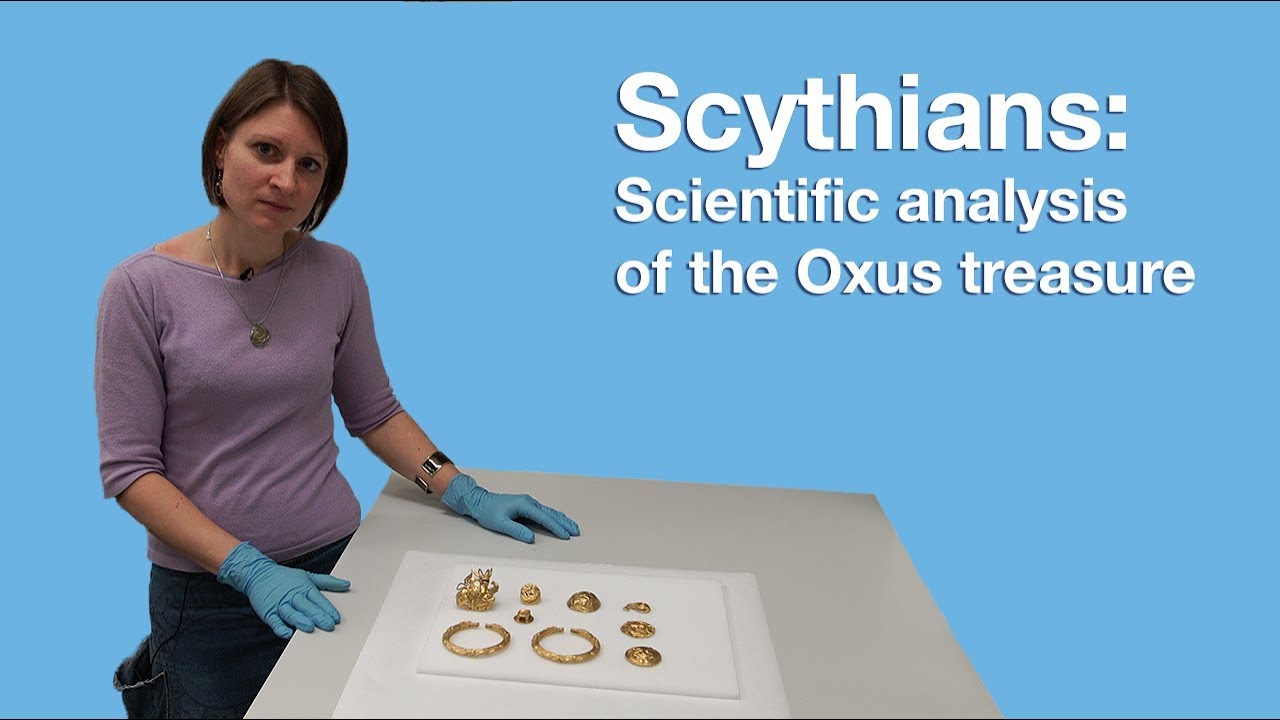
British Museum Scientist Aude Mongiatti shares some of her research on the Oxus treasure, a selection of beautiful gold and silver objects from the 5th and 4th centuries BC.
Some of the objects from the Oxus treasure are on display in the current exhibition on the Scythians. The analysis of manufacturing techniques has informed the interpretation in the exhibition.
The Department of Scientific Research wishes to acknowledge the generosity of the British Museum Friends and donors for the purchase of the scanning electron microscope shown in this video.
British Museum scientist Dr. Aude Mongiatti utilizes a variable pressure scanning electron microscope to examine the manufacturing techniques and alloy compositions of ancient gold items from the Oxus treasure. This non-destructive analysis reveals intricate tool marks and varied chemical compositions used by ancient craftspeople. Scythians: scientific analysis of the Oxus treasure | 7:19
The British Museum | 789K subscribers | 140,522 views | November 16, 2017
YouTube transcript reformatted at textformatter.ai *may* follow.
3
posted on
09/30/2026 9:20:21 PM PDT
by
SunkenCiv
(TDS -- it's not just for DNC shills and jihadists anymore -- oh, wait, yeah it is.)
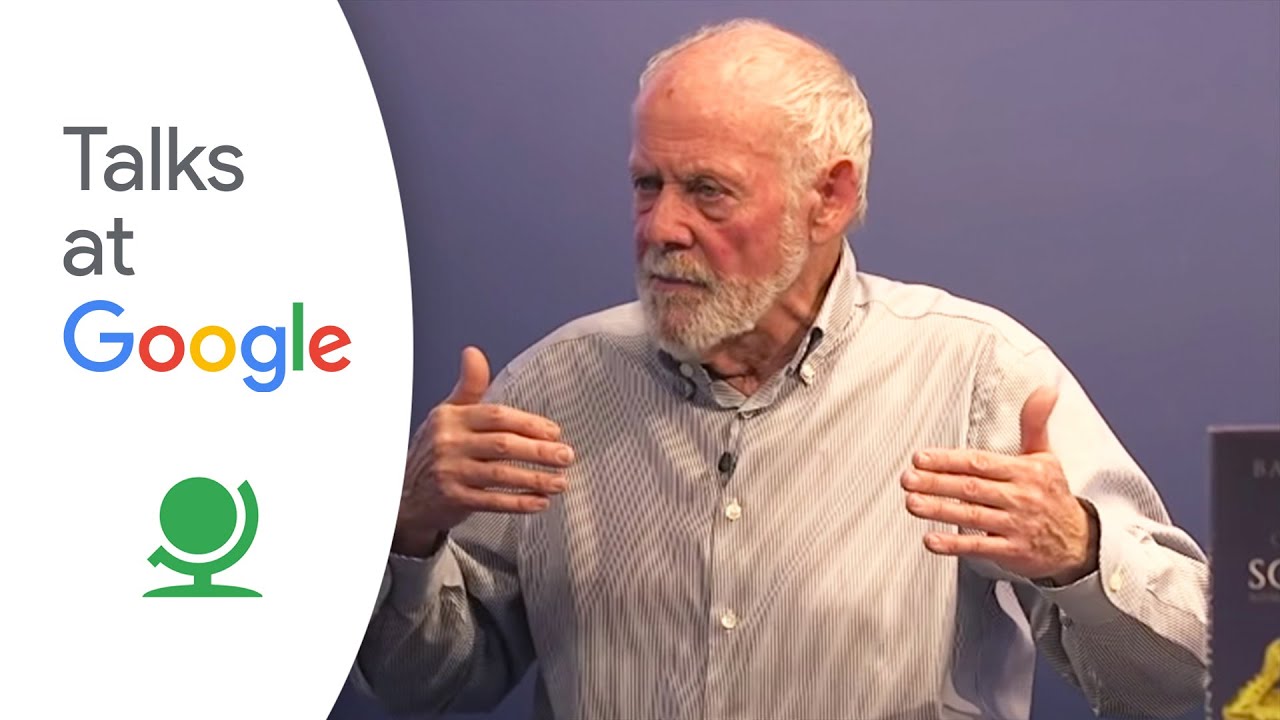
Sir Barry Cunliffe has been Professor of European Archaeology at the University of Oxford for 35 years and is Fellow of the British Academy. In this talk, he discusses his new book "The Scythians: Nomad Warriors of the Steppe", a masterful reconstruction of the lost world of The Scythians, who were brilliant horsemen and great fighters ranging wide across the Asian steppe during the first millennium BC. The Scythians: Nomad Warriors of the Steppe
Barry Cunliffe | Talks at Google | 52:51
Talks at Google | 2.4M subscribers | 203,964 views | December 3, 2019
YouTube transcript reformatted at textformatter.ai *may* follow.
4
posted on
09/30/2026 9:21:55 PM PDT
by
SunkenCiv
(TDS -- it's not just for DNC shills and jihadists anymore -- oh, wait, yeah it is.)
To: SunkenCiv
Before you know it, Revenge of the Scythians will be in movie theaters.
To: SunkenCiv
their ambivalent attitudes to gender. This phrase makes me wonder about Barry Cunliffe's intellectual honesty. To what extent does he slant the historical evidence to placate modern academic sensibilities?
To: Ronaldus Magnus III
The sythians were actually a pale shadow of their ancestors who —two millenium before conquered europe, much of the middle east and india and pushed out into central asia.
7
posted on
10/01/2026 3:48:39 AM PDT
by
ckilmer
(`61)
To: Ronaldus Magnus III
The sythians were actually a pale shadow of their ancestors who —two millenium before conquered europe, much of the middle east and india and pushed out into central asia.
8
posted on
10/01/2026 3:48:43 AM PDT
by
ckilmer
(`61)
To: Angelino97
He’s a British academic, and too old to get a new job.
9
posted on
10/01/2026 4:33:56 AM PDT
by
SunkenCiv
(TDS -- it's not just for DNC shills and jihadists anymore -- oh, wait, yeah it is.)
To: Ronaldus Magnus III
The Scythians were allies of the last 'real' Assyrian kings, were persuaded to switch sides (probably after some other setback), and the three groups (Medes, Babylonians, and Scythians) stormed Nineveh. That would make a pretty good swords-and-sandals blockbuster, and I don't think anyone has done one about it in the past.
10
posted on
10/01/2026 4:40:46 AM PDT
by
SunkenCiv
(TDS -- it's not just for DNC shills and jihadists anymore -- oh, wait, yeah it is.)
To: ckilmer
Their cousins the Sarmatians during Roman times? Else to whom do you refer?
11
posted on
10/01/2026 4:47:54 AM PDT
by
SunkenCiv
(TDS -- it's not just for DNC shills and jihadists anymore -- oh, wait, yeah it is.)
To: SunkenCiv
Their cousins the Sarmatians during Roman times? Else to whom do you refer?
The Sythian ancestors were the yamnaya dated about 3300–2600 BCE,
12
posted on
10/01/2026 5:32:17 AM PDT
by
ckilmer
(`61)
To: SunkenCiv
Their cousins the Sarmatians during Roman times? Else to whom do you refer?
The Sythian ancestors were the yamnaya dated about 3300–2600 BCE,
13
posted on
10/01/2026 5:32:19 AM PDT
by
ckilmer
(`61)
To: ckilmer
14
posted on
10/01/2026 5:42:18 AM PDT
by
SunkenCiv
(TDS -- it's not just for DNC shills and jihadists anymore -- oh, wait, yeah it is.)
Disclaimer:
Opinions posted on Free Republic are those of the individual
posters and do not necessarily represent the opinion of Free Republic or its
management. All materials posted herein are protected by copyright law and the
exemption for fair use of copyrighted works.
FreeRepublic.com is powered by software copyright 2000-2008 John Robinson