Skip to comments.
The Spectacular Ruins of Delos [13:56]
YouTube ^
| April 17, 2026
| Scenic Routes to the Past (Garrett Ryan, Ph.D)
Posted on 04/19/2026 8:57:14 PM PDT by SunkenCiv
The island of Delos is the most spectacular archaeological site in the Aegean. Scenic Routes to the Past explores the archaeological ruins of Delos, once a thriving Hellenistic commercial hub and sacred site. This tour examines the island's transition from a religious sanctuary to a tax-free Mediterranean marketplace, highlighting the remaining architecture of its ancient harbors, residential quarters, and temples dedicated to diverse deities. The Spectacular Ruins of Delos | 13:56
Scenic Routes to the Past | 58.5K subscribers | 1,692 views | April 17, 2026

(Excerpt) Read more at youtube.com ...
TOPICS: History; Science; Travel
KEYWORDS: aegean; delianleague; delos; godsgravesglyphs
00:00 Introduction
02:55 Harbor area
04:28 Sanctuary of Apollo
06:50 Sacred Lake area
07:57 Theater Quarter
10:48 Terrace of the Foreign Gods
11:50 Mount Kynthos
13:19 Panorama
1
posted on
04/19/2026 8:57:14 PM PDT
by
SunkenCiv
To: StayAt HomeMother; Ernest_at_the_Beach; 1ofmanyfree; 21twelve; 24Karet; 2ndDivisionVet; 31R1O; ...
2
posted on
04/19/2026 8:58:06 PM PDT
by
SunkenCiv
(TDS -- it's not just for DNC shills anymore -- oh, wait, yeah it is.)
In 478 BC, after the end of the Persian Wars, the Delian League of Greek cities was formed in order to deal with future threats. The headquarters of the League was on Delos, where the enormous sums which had been contributed by the city-states were kept and where their representatives met. Very soon the Delian League evolved into an Athenian hegemony, and the allies became subjects of the Athenians. The funds from the common treasury were moved to the Acropolis of Athens in 454 BC, ostensibly for reasons of security; in reality, however, they were intended to finance Pericles' ambitious building programme.
In 476 BC the construction of the second temple of Apollo, the Great Temple, or Delian Temple began. It was interrupted because the League's funds had been moved to Athens. Building was resumed during the Period of Independence (314-166 BC), but the temple was never completed.
During the winter of 426/5 BC the Athenians decided the "purification" of Delos, supposedly for reasons of piety. They opened up all the graves on the island and moved the bones and funerary offerings to Rheneia, where everything was buried in a common pit. At the same time, they decided that no one would be allowed to be born or die on Delos; and that women close to delivery and the seriously ill should be transferred to Rheneia.History of Delos: Delos, the Sacred Island | Dr. P. J. Hadjidakis | Delos Tours
3
posted on
04/19/2026 9:07:47 PM PDT
by
SunkenCiv
(TDS -- it's not just for DNC shills anymore -- oh, wait, yeah it is.)
Some aspects of Carian life are relatively well-known, including language and writing, coinage, divinities and sanctuaries, and political organization (namely the Carian koinon). On the other hand, little is known concerning the material culture of the Carian population. Yet, Carian funerary customs were peculiar enough in the 5th century B.C. for Thucydides to note : "When Athens proceeded to the purification of the island of Delos, it appeared that more than half of the theke were Carian tombs : they were identified not only by the material associated with the burials but also by the way these warriors were buried, which is still the way the Carians bury their dead today" (I.8).Tombes de Carie: architecture funéraire et culture carienne | De Olivier Henry | La librairie
4
posted on
04/19/2026 9:14:13 PM PDT
by
SunkenCiv
(TDS -- it's not just for DNC shills anymore -- oh, wait, yeah it is.)
To: SunkenCiv
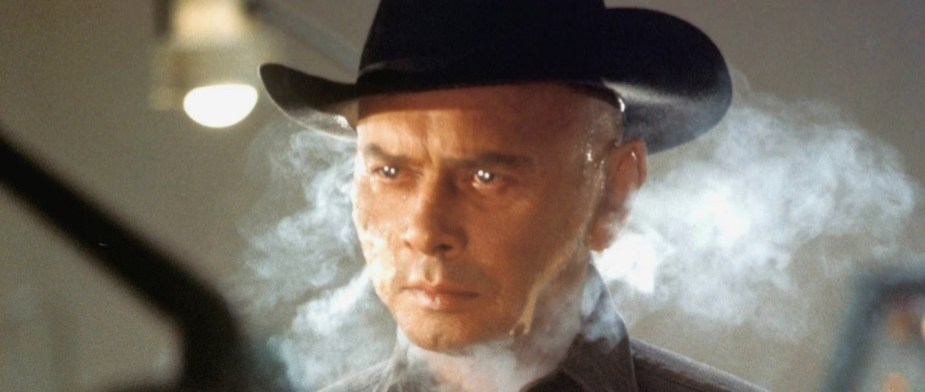
This is what I remember of the ruins of Delos:
5
posted on
04/19/2026 9:39:13 PM PDT
by
Dr. Sivana
("Whatsoever he shall say to you, do ye." (John 2:5))
To: Dr. Sivana
That’s the first thing I thought of.....WestWorld.
6
posted on
04/19/2026 10:35:07 PM PDT
by
july4thfreedomfoundation
(Charlie Kirk's assassination / murder was our Fort Sumter moment. But only one side is fighting.)
To: Dr. Sivana
Yul Brenner. When men were men.
7
posted on
04/20/2026 6:21:18 AM PDT
by
GingisK
Disclaimer:
Opinions posted on Free Republic are those of the individual
posters and do not necessarily represent the opinion of Free Republic or its
management. All materials posted herein are protected by copyright law and the
exemption for fair use of copyrighted works.
FreeRepublic.com is powered by software copyright 2000-2008 John Robinson
