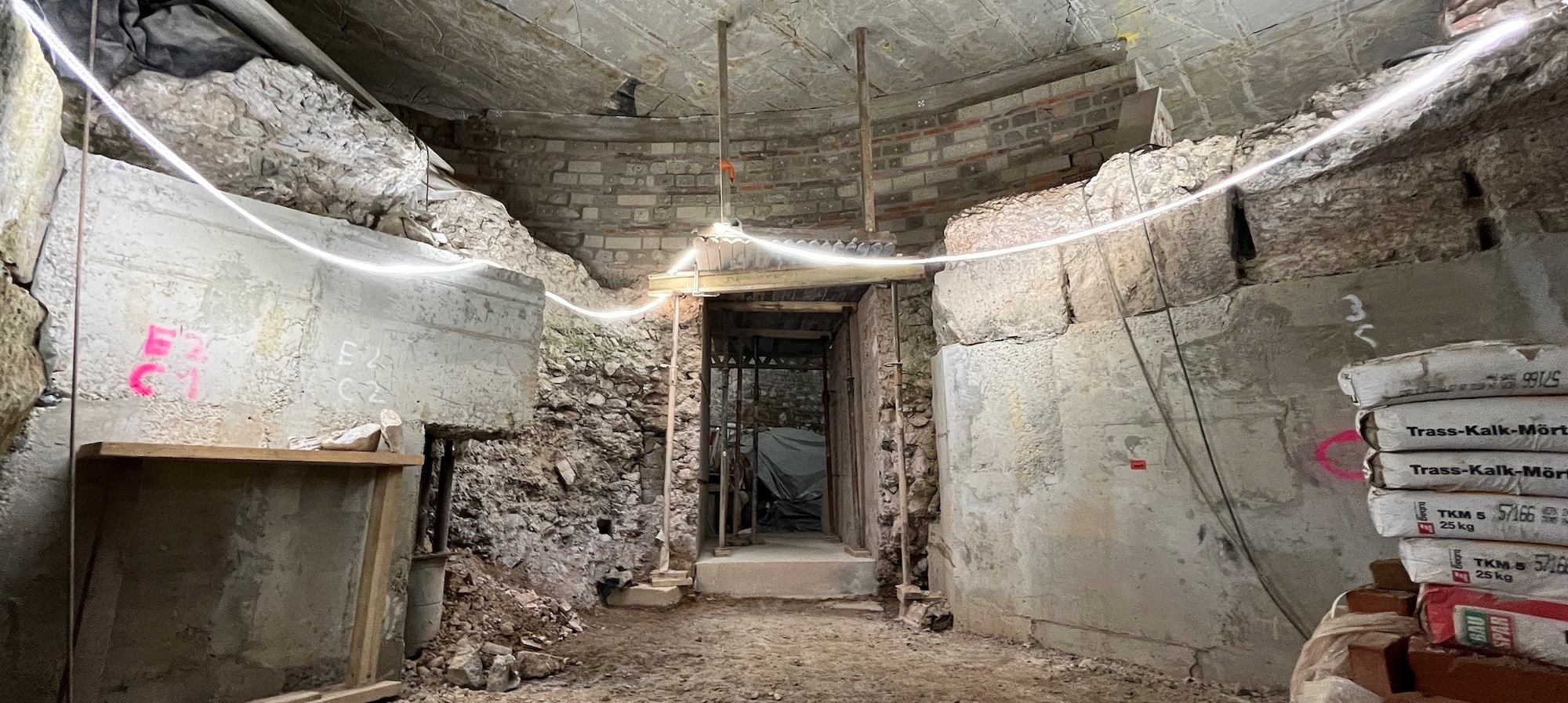
Apse of Roman basilica, Cologne, Germany© City of Cologne/Roman-Germanic Museum, Michael Wiehen
Posted on 02/15/2026 11:01:11 AM PST by SunkenCiv
Finestre Sull'Arte reports that during new construction work for MiQua, the future LVR-Jewish Museum currently being built near the city's historic center, excavations revealed several important and well-preserved structures associated with the site's early Roman settlement. These include an exceptional second-century a.d. lararium, a type of domestic shrine dedicated to protective household deities known as Lares. This altar was located in the area of the former Praetorium, which served as the palace for the Roman governor, and is the first of its kind ever found north of the Alps. The archaeological team also uncovered the remains of a fourth-century a.d. basilica and a late first-century a.d. staircase that would have connected the very earliest sections of the Roman city with the banks of the Rhine River. To read more about Cologne's importance in the Roman empire, go to "Beauty Endures."
(Excerpt) Read more at archaeology.org ...
Apse of Roman basilica, Cologne, Germany© City of Cologne/Roman-Germanic Museum, Michael Wiehen
In before the perfume jokes.
The weekly digest list of topics follows.
The other GGG topics added since the previous digest ping, alpha:
I have spent significant in Koln. Such a very important site. I wish I had read Tacitus before my times there.
The name city’s name has an interesting Roman history. It was founded by Romans in 50AD and named Colonia Claudia Ara Agrippinensium, “The Claudian Colony and Altar of the Agrippinians”. It honored the Empress Agrippina the Younger, who was born there and was the wife of Emperor Claudius. Cologne/Koln is just a shortening of the original Roman name.
I visited 2 Roman baths in Köln in the late 1980s that no one even knew about until the Allied bombs exposed them in 1945.
I hear that Marshall Zhukov tried to get to Cologne. Why? He found the Vistula odor offensive!
Ok, I’ll see myself out.
For those interested in Roman Germany, I recommend a trip downstream (north) from Koeln to Xanten and the archaeological park there.
“...unknown ntil the Allied bombs exposed them in 1945.”
In 1961, I visited the cathedral. Its spires are visible from far away. Noted back then, large missing chunks from WWII battle were obvious from street level.

That looks like one of the original Man caves, back in the day I bet it was filled with the Eau de Toilette
A little dab’ll do ya.
These latest rooms and findings were still isolated behind barriers when we were last in Cologne. The city is awe-inspiring nonetheless.

Pagan polytheism is just weird. If you are Hipparchus, how do you build the Antikythera mechanism and not wonder to yourself that only God Almighty had the power to investiture your ability to make an astrolab computer from brass and glass? Of course he also invented trig, so screw him.
You might be wearing your cologne too strong, if it can still be detected 2000 years in the future.
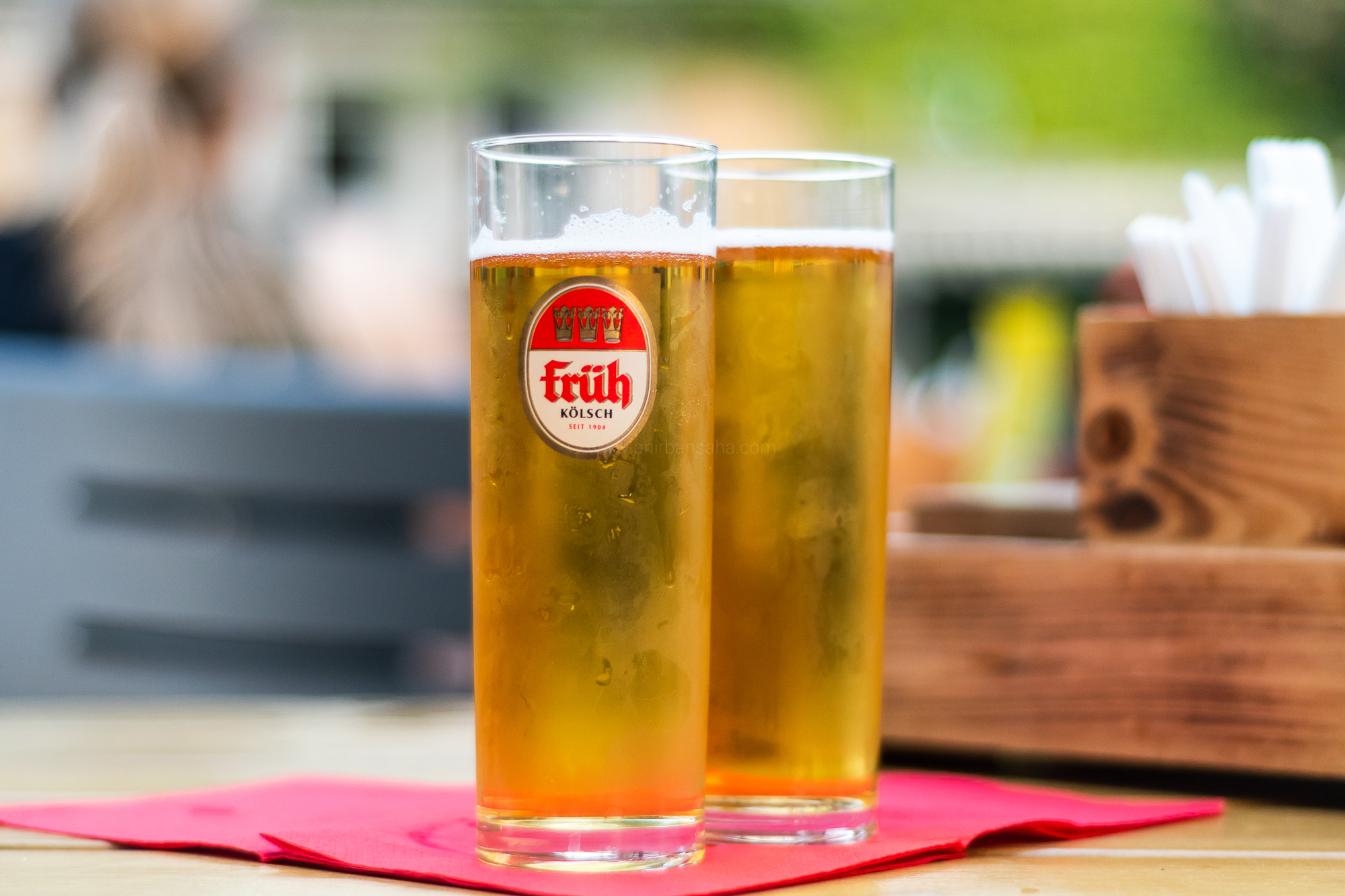
They serve Kolsch in those tall glasses and the custom is, if you put the glass down empty, they fill it up again or bring you a new one. You have to put the coaster on top to signal you are done. And it's much stronger than it looks, some approaching 6-7% alcohol. It's actually an ale, and the native dialect sounds very close to Dutch.
Disclaimer: Opinions posted on Free Republic are those of the individual posters and do not necessarily represent the opinion of Free Republic or its management. All materials posted herein are protected by copyright law and the exemption for fair use of copyrighted works.