Skip to comments.
Astronomy Picture of the Day - Meteor Dust
NASA ^
| 12 Jan, 2026
| Image Credit & Copyright: Xu Chen
Posted on 01/12/2026 11:40:23 AM PST by MtnClimber
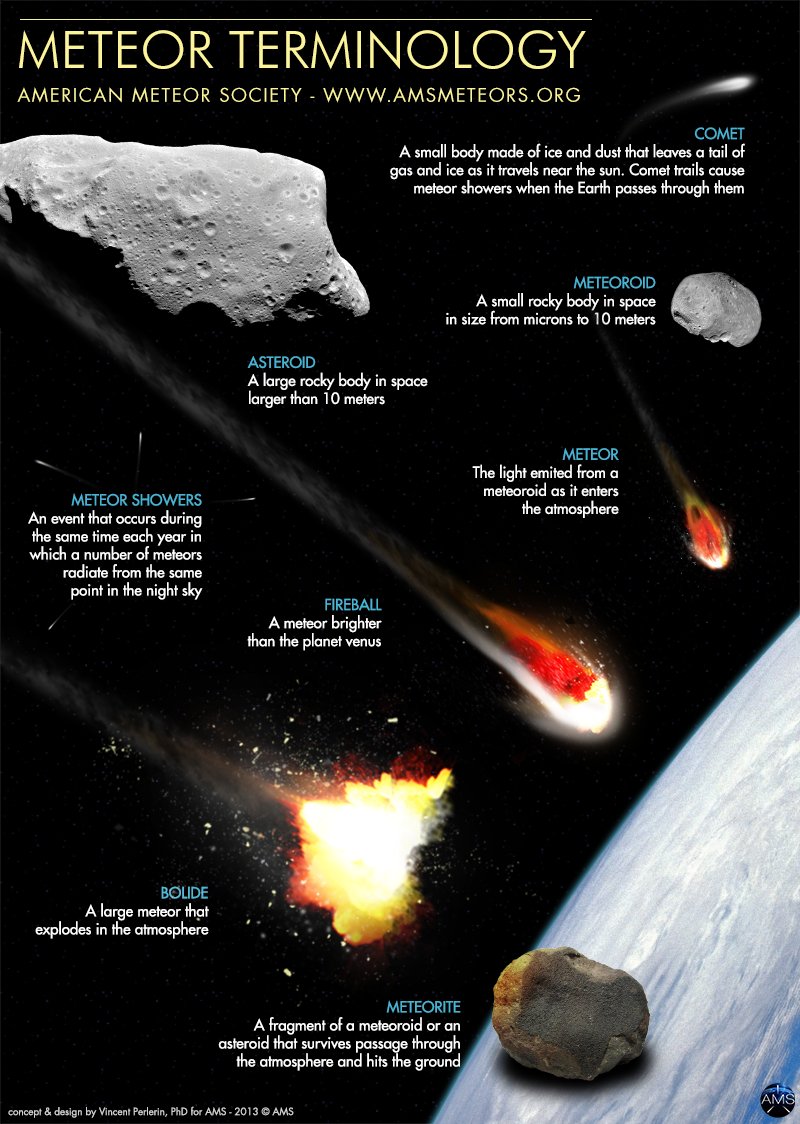
Explanation: What's happening to this meteor? It is shedding its outer layers as it passes through the Earth's atmosphere and heats up. The sudden high temperatures not only cause the bright glow along the dramatic streak but also melt and vaporize the meteor's component rock and ice, creating dust. Wind in the atmosphere typically blows this dust away over the next few seconds, leaving no visible trace after only a few minutes. Much of this dust will eventually settle down to the Earth. The featured image was captured in mid-December, coincident with the Geminids meteor shower. On the upper left is Sirius, the brightest star in the night sky, while in the foreground is fog-engulfed Huangshan, the Yellow Mountains of eastern China.
TOPICS: Astronomy; Astronomy Picture of the Day; Science
KEYWORDS: apod; nasa
To be added or removed from the Astronomy Picture of the Day ping list please send me a request via "Private Reply" (Mail). For more detail go to the link and click on the image for a high definition image. You can then move the magnifying glass cursor then click to zoom in and click again to zoom out. When zoomed in you can scan by moving the side bars on the bottom and right side of the image.
To: MtnClimber
2
posted on
01/12/2026 11:40:45 AM PST
by
MtnClimber
(For photos of scenerHow y, wildlife and climbing, click on my screen name for my FR home page.)
To: 21stCenturion; 21twelve; 4everontheRight; A Navy Vet; A_perfect_lady; abb; AFB-XYZ; AFPhys; ...
Pinging the APOD list
🪐 🌟 🌌 🍔
3
posted on
01/12/2026 11:41:29 AM PST
by
MtnClimber
(For photos of scenerHow y, wildlife and climbing, click on my screen name for my FR home page.)
To: MtnClimber
I’ve never seen anything like that.
4
posted on
01/12/2026 11:54:31 AM PST
by
ComputerGuy
(FAFO is known as the Trump Doctrine)
To: MtnClimber
5
posted on
01/12/2026 12:14:29 PM PST
by
SkyDancer
( ~ Am Yisrael Chai ~)
To: MtnClimber
Thanks for posting. Stunning.
6
posted on
01/12/2026 12:56:07 PM PST
by
PGalt
(Past Peak Civilization?)
To: MtnClimber
thanks

7
posted on
01/12/2026 1:14:05 PM PST
by
Diogenesis
(Si vis pacem, para bellum)
To: MtnClimber
8
posted on
01/12/2026 3:18:05 PM PST
by
No name given
( Anonymous is who you’ll know me as )
To: MtnClimber
9
posted on
01/12/2026 3:26:12 PM PST
by
Organic Panic
('Was I molested. I think so' - Ashley Biden in response to her father joining her in the shower)
Disclaimer:
Opinions posted on Free Republic are those of the individual
posters and do not necessarily represent the opinion of Free Republic or its
management. All materials posted herein are protected by copyright law and the
exemption for fair use of copyrighted works.
FreeRepublic.com is powered by software copyright 2000-2008 John Robinson
