Posted on 12/07/2025 5:39:55 PM PST by Red Badger
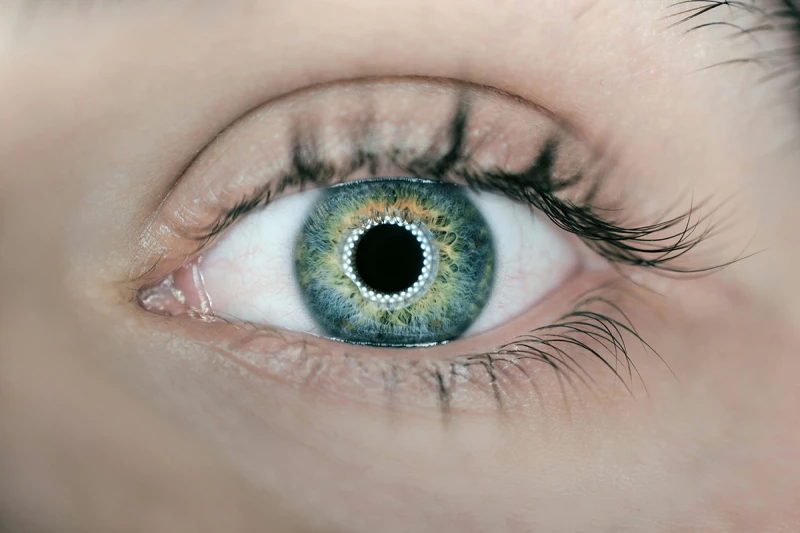
Damage to the cornea from infections, injury, or genetic disorders can lead to blindness – and often requires a transplantArteum.ro / Unsplash View 2 Images
In a major breakthrough in human tissue replication, for the first time ever a 3D-printed cornea has been transplanted onto a legally blind patient's eye, successfully restoring their sight.
That's from Rambam Eye Institute in Haifa, Israel, which worked with a company called Precise Bio that specializes in regenerative tech and bio-fabricated tissues. This procedure, completed towards the end of October, involved a corneal implant grown entirely from cultured, living human corneal cells, rather than donor tissue.
This is a big deal because it could help millions of people around the world at risk of sight loss owing to corneal blindness. The cornea can be damaged from injury, infections, or genetic disorders. Corneal transplant surgeries have a high success rate (around 97%) and donor tissue is easily available in some developed countries like the US where you typically only need to wait a few days for a procedure – but it can take years in other countries that don't have eye banks and centralized infrastructure to make tissue available on demand.
(Excerpt) Read more at newatlas.com ...
Rambam, thank you...
Lots of other tissues could probably by printed...maybe degenerated vertebrae, bone replacement instead of metal plates in broken skulls, or hip joints, ear cartilage, heart valves, etc maybe even redesigned pancreatic tissue for diabetics...but don’t want to get ahead of myself...
This is great news...
/
Nice...3D printing is amazing...
Disclaimer: Opinions posted on Free Republic are those of the individual posters and do not necessarily represent the opinion of Free Republic or its management. All materials posted herein are protected by copyright law and the exemption for fair use of copyrighted works.