
Gardening After Sixty
by Jackie Clay-Atkinson
Nearly all of us garden in some form or another. After all, isn’t growing our own food one of the tenets of self-reliance? Besides that, it’s fun, fulfilling, and good exercise. Biting into that first sun-ripened tomato, crisp, sweet carrot, or oh-too-juicy melon makes all that planning and work worthwhile instantly. But as we age, some of the work becomes more difficult and we need to find new ways to do the things that make that garden not only possible but more enjoyable, too. Now that I’m over 70 years old, I think it’s safe to claim that I know a few things about this.
Some things about gardening pretty much stay the same, no matter what age. For instance, I will always be found on our shady front porch, cutting green beans, shelling peas, or shucking sweet corn to can. That doesn’t seem a bit like work, even to my body with all its previously broken bones. (Remember, I wasn’t always old!)
But some tasks are getting a bit more difficult, so instead of quitting, I just try to think of ways to make them easier. There is usually a way to accomplish a task without all the strain it used to take.
Hauling loads
I used to just take the wheelbarrow down to the garden full of manure, mulch, or whatever, and then back up the steep hill, full of rocks, weeds, or debris. It seems like that hill has gotten steeper and longer and my bad elbow doesn’t seem to like lifting those heavy wheelbarrow handles any more.
So instead of the wheelbarrow, I find myself using our riding lawn mower and two-wheeled garden trailer, instead. Not only can I haul, sitting down, but the trailer has a dump box so I don’t have to lift heavy debris out of it, either. And my handy trailer also hauls boxes and buckets of feed, wood shavings, and garden produce from our six big gardens, all with me sitting down. Not so shabby!
But the riding lawn mower and trailer won’t fit into some smaller areas, such as when I want to transplant a young fruit tree or a clump of peonies. I’ve found that by using a snow saucer or plastic toboggan in these tighter areas, I can easily slide the unmanageable, heavy item around on the ground with little effort.
Another handy way to move heavy things is by using a two-wheeled moving dolly. These little carts are inexpensive and you can use them to move everything imaginable, from railroad ties to refrigerators. I often use them to move 100 pound sacks of feed around the homestead. I used to be able to not only lift, but carry those sacks quite a distance with ease, but that was three compressed vertebrae and a damaged shoulder ago. Now I just drag them out of the back of our Subaru, slip the moving dolly’s “foot” under the sack, and off to the barn we go.
I’ve moved tons of landscaping rock, boulders, bales of straw, and railroad ties for raised beds with mine, and it doesn’t show any wear at all.
Gardening up
In the last few years, I’ve found I’m growing more crops on trellises now, instead of in rows or beds on the ground. Reasons for this are pretty much physical. After all, it’s easier to pick pole beans rather than bush beans, and easier to harvest cucumbers hanging from a trellis instead of bending to find them in a bed on the ground. Growing on a trellis also lets you grow more food in a smaller area than when you grow on the ground. It also keeps your vegetables cleaner.
A trellis can be just about anything, but the easiest, strongest, and nicest to handle and pick from are those made of welded livestock panels or “cattle panels.” They are sturdy, not too heavy to handle, easy to cut into shorter lengths with a pair of long-handled bolt cutters, and very easy to attach to steel T posts, driven into the ground every 8 feet or so. I use zip ties for a quick, easy fix, since they’re easy to remove in the fall.
On these trellises I grow pole beans, cucumbers, melons, peas, and sugar pod peas. The wind will never blow them down, nor will the weight of the crop cause them to lean or sag. Come fall, you just have to cut them loose, remove the old vines, and lean the panels up against the garden fence. I even use them in the berry patch, making an arbor for the grape vines to climb up. I put two 16-foot panels horizontally, ten feet apart where the rows of grapes are, fastening the panels to steel T posts, then hump four more panels up over the row, placing the ends inside the horizontal panels and tying them together with fence wire (zip ties will eventually photo-degrade and break). This makes a very attractive arbor and keeps the grapes up and easy to pick.
Just like growing vegetables on a trellis, we have entirely switched to caging our tomatoes. For years I just let them sprawl on the mulch in the garden, but the more tomatoes I grew, the more my back complained about all that bending to pick them. So I started staking them up. That was fine, but required a lot of work, bending to tie the vines to the stakes as they grew taller. I tried about every cage known to man and the results were always the same; the tomatoes would get heavy and tall and a strong wind would eventually blow the cages over, even when a wooden stake was driven in to help hold the cage upright.
Then my husband, Will, began making tomato cages from concrete reinforcing wire. We were given several partial rolls by a friend who just wanted to be rid of it following a construction job on their place. So Will cut lengths so the cages would be about 18 inches in diameter, just folding the wire back on itself to hold the cage together. They are awesome! These cages are easy to pick tomatoes from, as the squares are so large.
We solved the problem of the cages blowing over by pounding a steel T post in next to the tomato plant, then sliding the cage down over both the plant and T post. Now we never have a tomato plant tip over, and I can easily harvest tomatoes without creeping along on the ground.
Bending and kneeling
One of the best things I’ve found to help me harvest such low crops as bush beans is a simple, lightweight plastic seat which fits inside a plastic bucket. A friend gave me one, and now I wouldn’t garden without it. Sure, you can just turn a five gallon bucket upside down and sit on that, but that raised edge sure cuts into you after a few minutes of sitting. This plastic seat is comfortable and you can sit on it for a long time. The bucket and lid are lightweight, waterproof, and you can vary the height of the seat by choosing the right bucket — some are three and a half gallons, others are five gallons, and a few are six and a half gallons. I like the latter, as it’s taller, and therefore easier to sit down on and get up again. I’ve found these seats at local farm and ranch stores, especially during the winter when folks are ice fishing.
More timely tips at link:
https://www.self-reliance.com/2017/09/gardening-after-sixty/
Thank you Diana! A wet and rainy day here so no outside activity.
(I should get tomatoes and peppers going! Lettuce too.)
Good article! I found a way to get the compost to the garden very easily. We have one of those square black compost bins. We empty it out every other year. There is a slot at the bottom to pull out the compost. I lay a tarp there, pull out the whole of the bin, moving the tarp as I go. The garden is downhill a bit from the compost. So I just slide the tarp down and right into the garden and since the compost is in a row already, just turn and dump it. Rake it a bit and till under. So easy. Got rid of our wheelbarrow years ago.
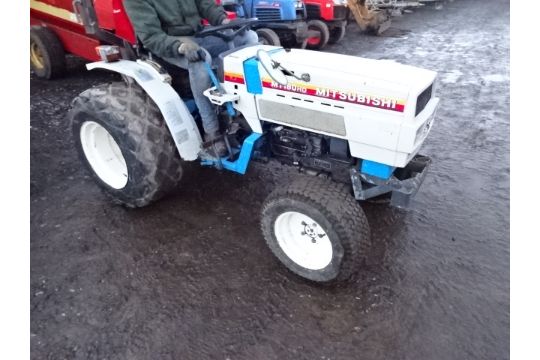
I've got one of these and it's saved me a ton of work. Built a set of forks for the back and I put a lot of stuff on pallets now. I have a finish mower, dirt scoop, snow plow and grader blade for it. Next thing is to put it to work on garden beds. Been keeping my eye out for garden bed implements.
I can run it all day on a couple of gallons of diesel fuel but I rarely run it all day. Usually a few minutes here and there, an hour one day and then not use it for days so I top off the tank once a month on average.