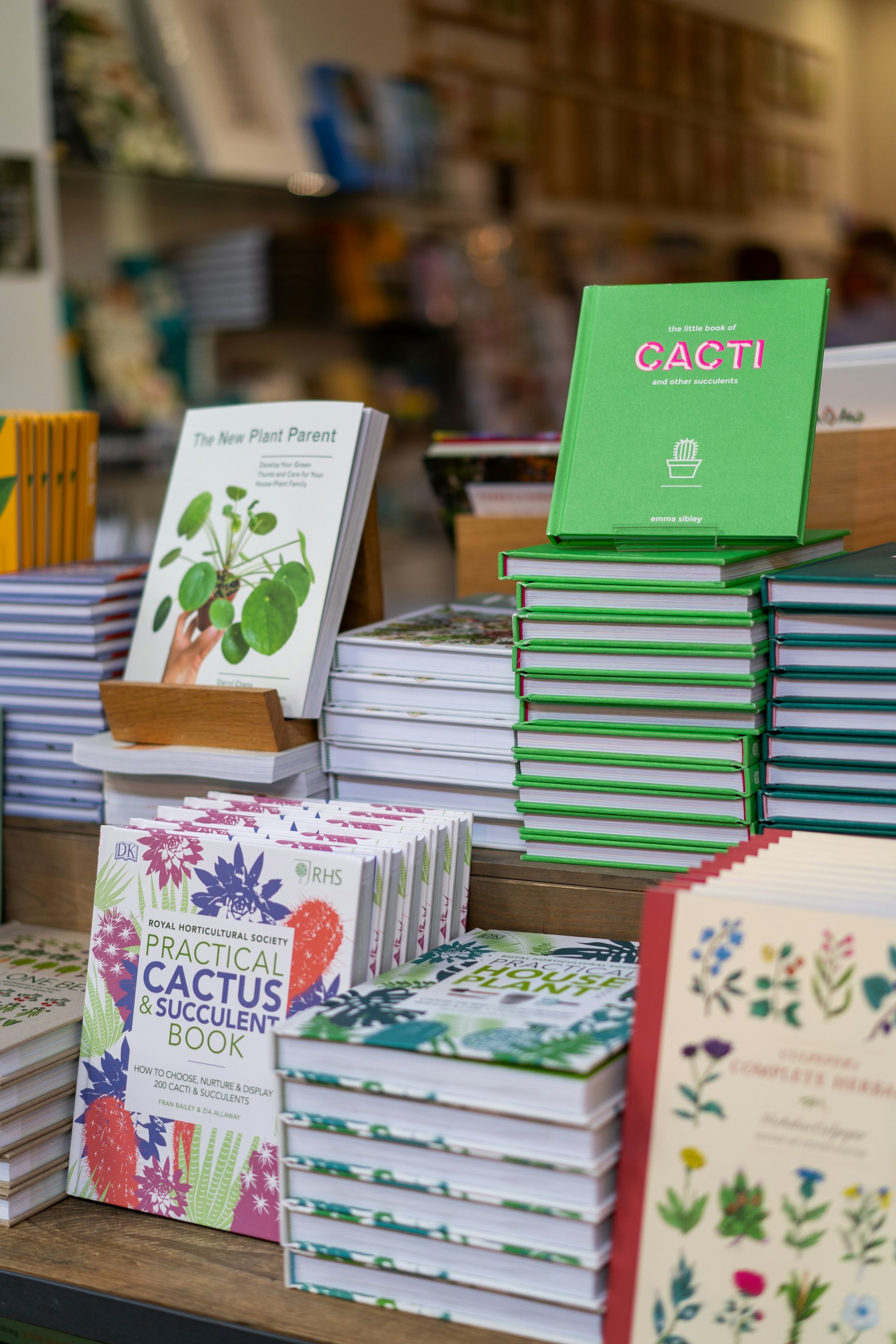
pomegranates are ripening:
For some reason, on this particular bush, the pomegranates never ripen past a pale red/orange color - but they are sweet and delicious.
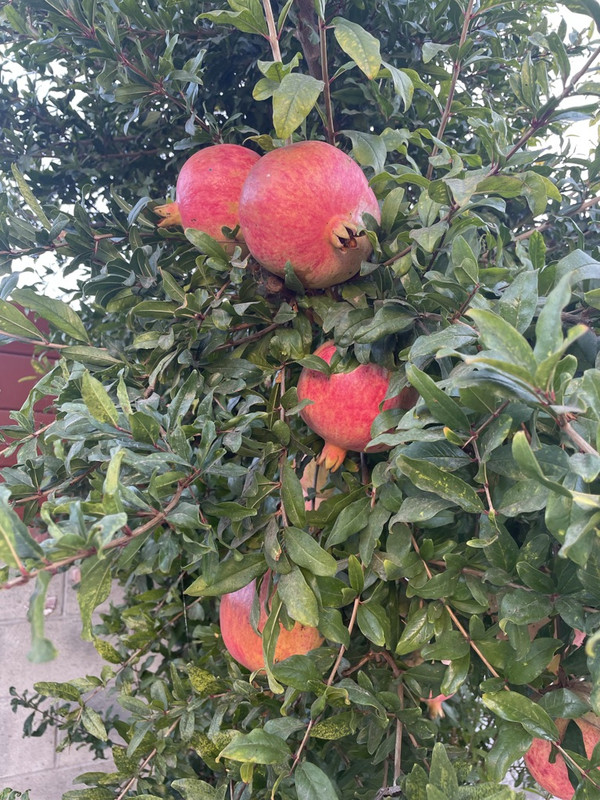
Beautiful bougainvillea, "California Gold."
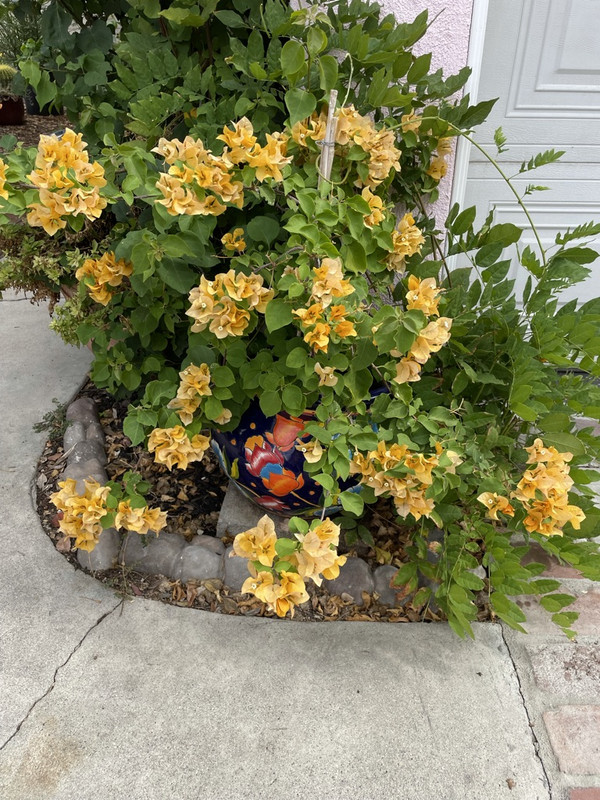
Reblooming Irises:
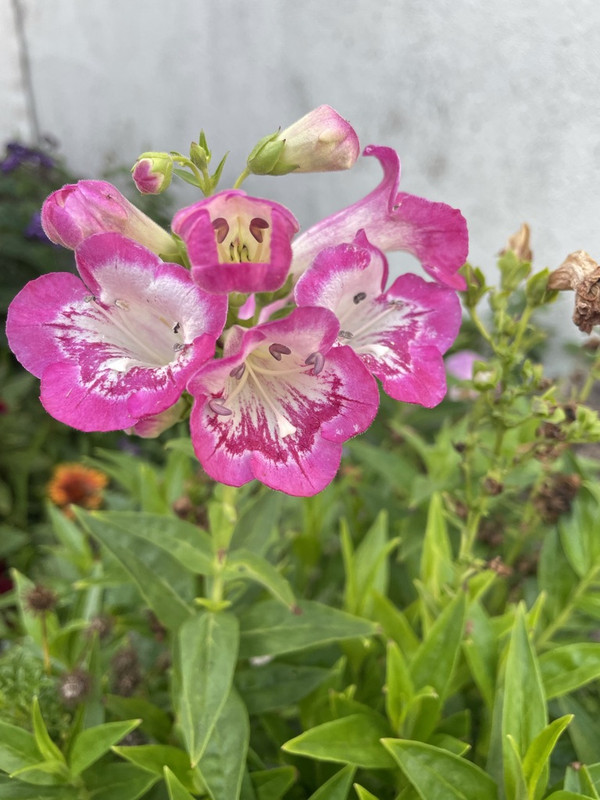
Penstemon from bee garden:
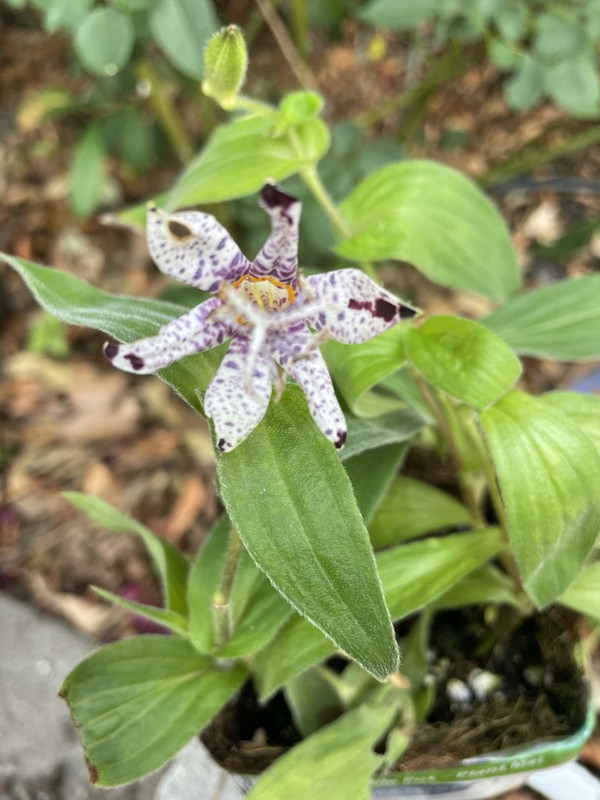
Toad lily:
And finally:
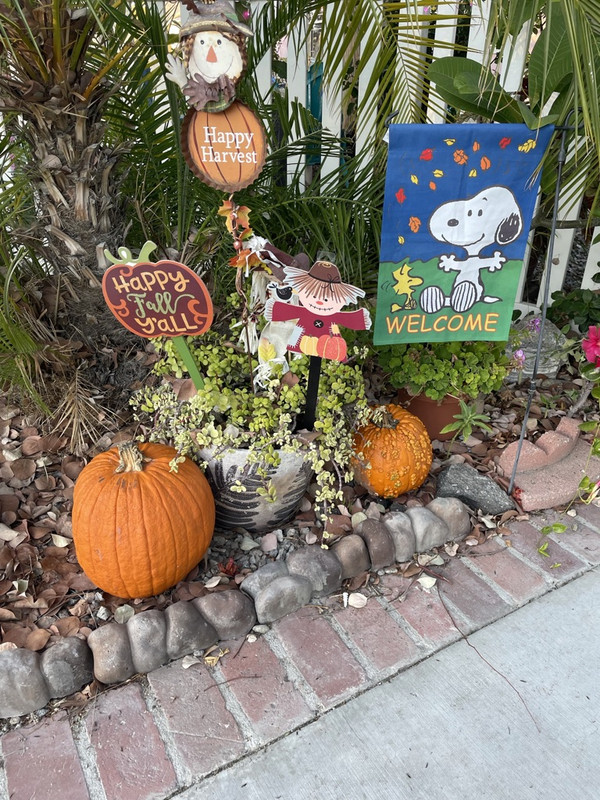
Happy Gardening!
“This thread is a non-political respite.”
You mean I can’t post about all those Biden weeds in my garden? You know, from a Matthew 13 “Tares in the Wheat” perspective!
Beautiful October afternoon here, 76 degrees and calm. My fig tree is adjusting to its new home. Peppers caught their second wind so I have more picking to do.
I forgot to post this link but being separate from ‘pumpkin spice’ is probably a good thing .... three reasons for posting it:
#1 - I know folks on the Garden thread grow herbs - here are some extra ideas for using them, plus some garden produce as well.
#2 - Early in the video ( @ 50 sec), Melissa gets some garlic she’s dried and there is a brief glimpse of the little drying shed that they’ve put up - very interesting for anyone who needs space for drying garlic.
#3 - I have an interest in homemade herbal remedies. I have not seen this particular ‘brew’ before, but I am going to give it a try. This could be an ‘interesting’ flu season. Also, my mom eats raw garlic for sore throats (& stinks up the house, plus she personally reeks of garlic for days) - maybe I can talk her into trying some fire cider instead.
Homemade Traditional Fire Cider Recipe & Benefits
https://melissaknorris.com/podcast/traditional-fire-cider-recipe-benefits-guide/
This link has a podcast, written recipe, & link to video. I haven’t listened to the podcast yet, but Melissa says this about it:
“This post includes an older Pioneering Today Podcast I did with Rosemary Gladstar (episode #177) where we discussed the many health benefits of fire cider. I have since updated it with a YouTube tutorial walking through exactly how to make this powerful remedy.
Rosemary Gladstar is a pioneer in the herbalist community and has paved the way for many to follow in her footsteps of modern herbalism. She’s internationally renowned for her technical knowledge and stewardship in the global herbalist community, has been learning, teaching and writing about herbs for over 40 years and is the author of eleven books. You can learn more about Rosemary on her website The Science & Art of Herbalism.
Her book, Medicinal Herbs: A Beginner’s Guide to Herbal Remedies was the first book that I ever got back in the day when I started researching and learning more about herbs and using them in our home.”

https://www.youtube.com/watch?v=sRPP4Ilpxso 53:08
Permaculture, agroforestry, silvopasture, keyline, perennials, homesteading, low/zero input. Good speaker.
I like the aroma but not the actual FLAVOR.
So it’s Pumpkin Spice Candles...and that’s IT.
Anybody use weed barrier in raised vegetable gardens? Last fall, I got some at an Amish nursery. Not the flimsy kind they sell at Home Depot or Lowe’s. This is much heavier. Left it down all winter and through growing season. Great stuff, very few weeds.
The nursery says to leave it down all winter again. However, I’m wondering if I should roll it , fertilize with 10-10-10 and turn the soil over and then pt the barrier down for the winter. Or is that unnecessary work?

(The resource area is posted at the end of the the July 3-6 Gardening Thread beginning after post 112!)


A female falcon was equipped with a satellite tracking system in South Africa before migrating to Finland. Image shows tracker data. In just 42 days, she flew over 10.000 km, at an incredible average of 230 km per day and nearly in a straight line.

The head of a steppe wolf found in the Siberian permafrost that was dated to 32,000 years ago.
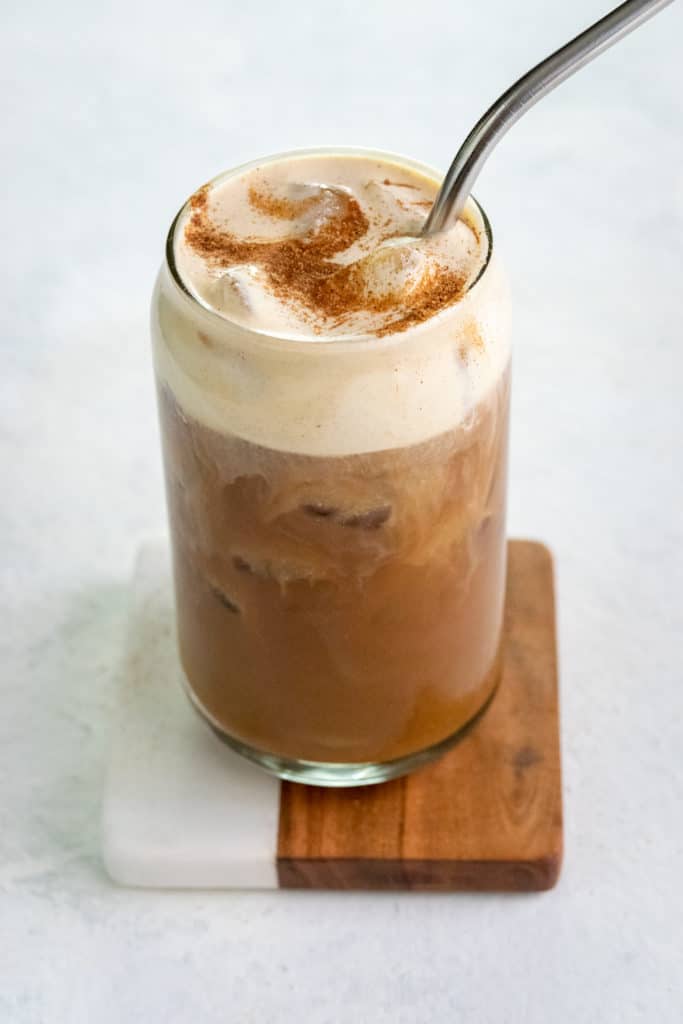
Pumpkin Cream Cold Brew
Ingredients 1 cup oat milk 1 1/2 Tbsp pumpkin puree 1 Tbsp maple syrup 1 tsp pumpkin spice or cinnamon 1 tsp vanilla Pinch of salt 1 cup cold brew coffee or iced coffee Sprinkle of pumpkin pie spice or cinnamon
Instructions.....combine the oat milk, pumpkin puree, maple syrup, pumpkin spice, vanilla, and salt over low to medium heat. Whisk to combine until the ingredients are fully incorporated; it should be slightly steaming but not boiling.Remove the oat milk mixture from heat and pour into a glass or bowl. Refrigerate for five to 10 minutes. After it's been chilled, add the liquid to a milk frother (or use a hand-held wand) to froth the milk mixture until it's very frothy.
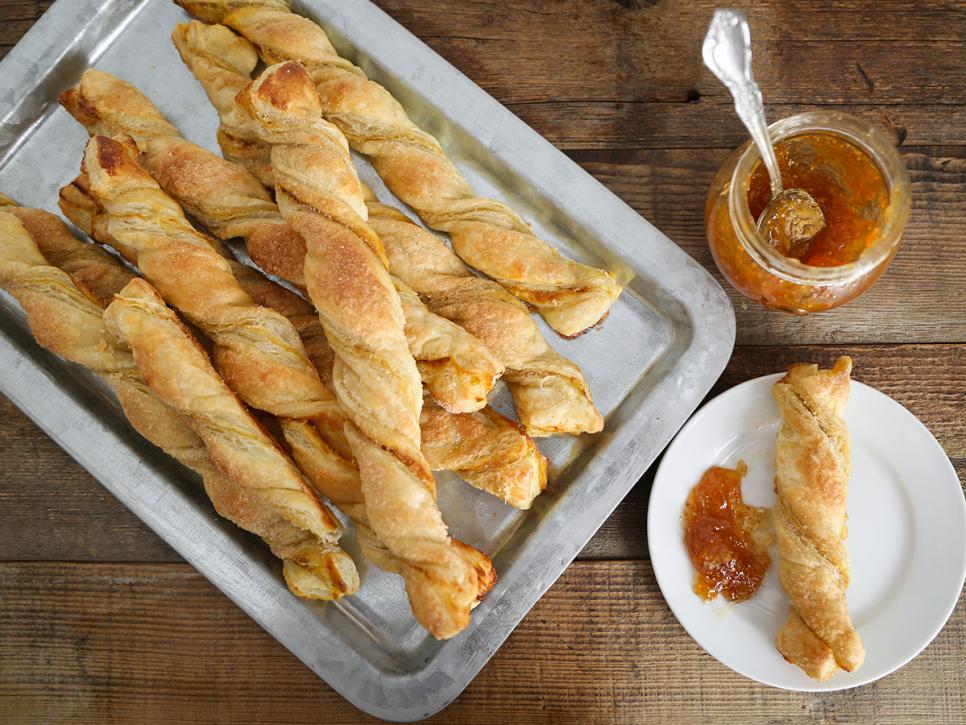
Pumpkin Pastry Twists
Thaw one box (2 sheets) of puff pastry and spread 2 tablespoons of pumpkin pie filling over one sheet; top with a second sheet and press together. Cut the stacked pastry into 1/2-inch thick lengths and transfer them to parchment-lined cookie sheets. Twist each piece and brush with egg wash (1 egg yolk mixed with 1 tablespoon of water). Bake at 400 degrees F for 20 minutes, or until golden brown and fragrant. Sprinkle with cinnamon sugar (optional) and serve with pumpkin or apple butter for dipping.
Not much happened with my garden this year. After a late start and storm damage, my one remaining tomato plant started producing fall tomatoes just after Labor Day. Got about 2 dozen of the sweetest tasting cherry tomatoes ever! The snapdragons have been producing lots of beautiful flowers since early spring, and the coleus with the beautiful lime green color grew very large! The tuberous begonias never developed more than a few green leaves but nothing more. I have pulled up the tomato plant and the coleus. Next I’m going to the greenhouses to see what is left of the fall plants, hoping there are some pansies and decent looking mums left.
Picked and snapped another three gallons of pole beans. The vines have stopped blooming, so that will be the end of them for this season.
I'm not impressed with the late-planted okra. It was a short-season dwarf variety, the name of which escapes me at the moment. The plants are beautiful, a bit past knee-high, and it blooms like crazy, but the blossoms want to stick to the pods and that causes them to rot. I suppose it could be blossom blight, but this variety is supposed to be resistant, and I'm not seeing any signs of fungal infection. Anyway, next year I'll plant old reliable Clemson Spineless in June, and have okra running out of my ears for three months like it's supposed to do.
The lonely SuperSteak tomato is still giving up enough to keep us in BLTs a couple times a week. Fall-planted green salad is rocking. Carrot crop is rocking. Turnip and rutabaga are coming along nicely. Kale is lush. I need to prep a spot to plant garlic. It's almost time to get that stuff in the ground.
I placed the last of the cobble on the pond bank, and came in behind it with a layer of smaller stuff on the bare section of gully wash at the top of the pond. That should stop the erosion that's been occurring, and hopefully will help a bit with settling out some sediment during big rain events. I'm pondering clearing the brush off of this area and excavating a proper settling basin. 20'x30'-ish, and a couple feet deep should last for several years before it would need to be cleaned out.