|
Posted on 12/31/2025 6:00:13 PM PST by Kathy in Alaska
|



Happy New Year!
~ HAPPY NEW YEAR 2026 ~

FR CANTEEN MISSION STATEMENT
Showing support and boosting the morale of
our military and our allies' military
and the family members of the above.
Honoring those who have served before.
CLICK HERE TO FIND LATEST THREADS



CLICK FOR Current local times around the world
CLICK FOR local times in Seoul, Baghdad, Kabul,
New York, Chicago, Denver, Los Angeles, Anchorage
The FR Canteen is Free Republic's longest running daily thread
specifically designed to provide entertainment and moral support for the military.
The doors have been open since Oct 7 2001,
the day of the start of the war in Afghanistan.
We are indebted to you for your sacrifices for our Freedom.


John 16:33
These things I have spoken unto you, that in me ye might have peace. In the world ye shall have tribulation: but be of good cheer; I have overcome the world
Good evening, Publius, and thanks to Rachmaninov for The Star Spangled Banner.
Nearly 50 years ago, a cute little firecracker from Oklahoma defined her idea of opera to me. “A guy in a tuxedo waves a stick at a fat lady who screams.” That’s an exaggeration, although it might fit certain operas.
The early composers of opera like Claudio Monteverdi thought they were recreating ancient Greek drama, although they were wide of the mark. What they actually created was something new and glorious in itself.
In the Baroque Era, operas could run 4 or 5 hours. After all, there was nothing much else to do for cultured individuals. Those with private boxes could play cards, talk or engage in sex while the opera went on below.
George Frederick Handel was the toast of London with his Italian operas – until the public got tired of them. That caused him to turn to sacred music, which produced “Messiah,” one of the greatest works of music ever written and one of the greatest artifacts of Western Civilization.
”Julius Caesar” was written in 1724 when Handel was 39. The lead male roles in Baroque operas were generally written for castrati. (Today one needs to visit Congress to find castrati.) In modern productions, the roles tend to go to countertenors, but on occasion a mezzo-soprano will get the job. In this Glyndebourne production from 2005, conducted by William Christie with the Orchestra of the Age of Enlightenment, Sarah Connolly plays Caesar. The production equates 19th Century British imperialism with Roman imperialism.
Wednesday evening is the posting of the NEW YEAR’S DAY thread.
Due to the New Year’s Day holiday and travel and family gatherings,
this thread will run until the Sunday Chapel is posted Saturday evening.
Please feel free to post your favorite tunes any time you like.

Amen...

Antonio Vivaldi was known as the Red Priest, not because of his politics, but because of his red hair. His father was a barber and skilled violinist, and Vivaldi turned out to be a whiz at the instrument. Because of his asthma and the fact that masses in Venice used a lot of incense, Vivaldi couldn’t do much as far as religious ceremony was concerned. But the Patriarch of Venice was a wise man, and he sent Vivaldi to the Ospedale della Pieta, the Devout Hospital of Mercy, which was a school for foundling girls.
Vivaldi turned that school into one of the great musical institutions of Europe. Tony Vivaldi’s All-Girl Orchestra was a must-see for anyone visiting Venice. He wrote a massive number of concertos for different instruments because the school’s situation was fluid. In one year, a large number of string players might graduate to marriage or the convent while a number of gifted woodwind and brass players would be on deck.
He also wrote a goodly number of operas. “Il Giustino” was written in 1724 when Vivaldi was 46. One aria for castrato has become a recital number. This is a studio performance by Polish countertenor Jakub Józef Orliński from 2018.

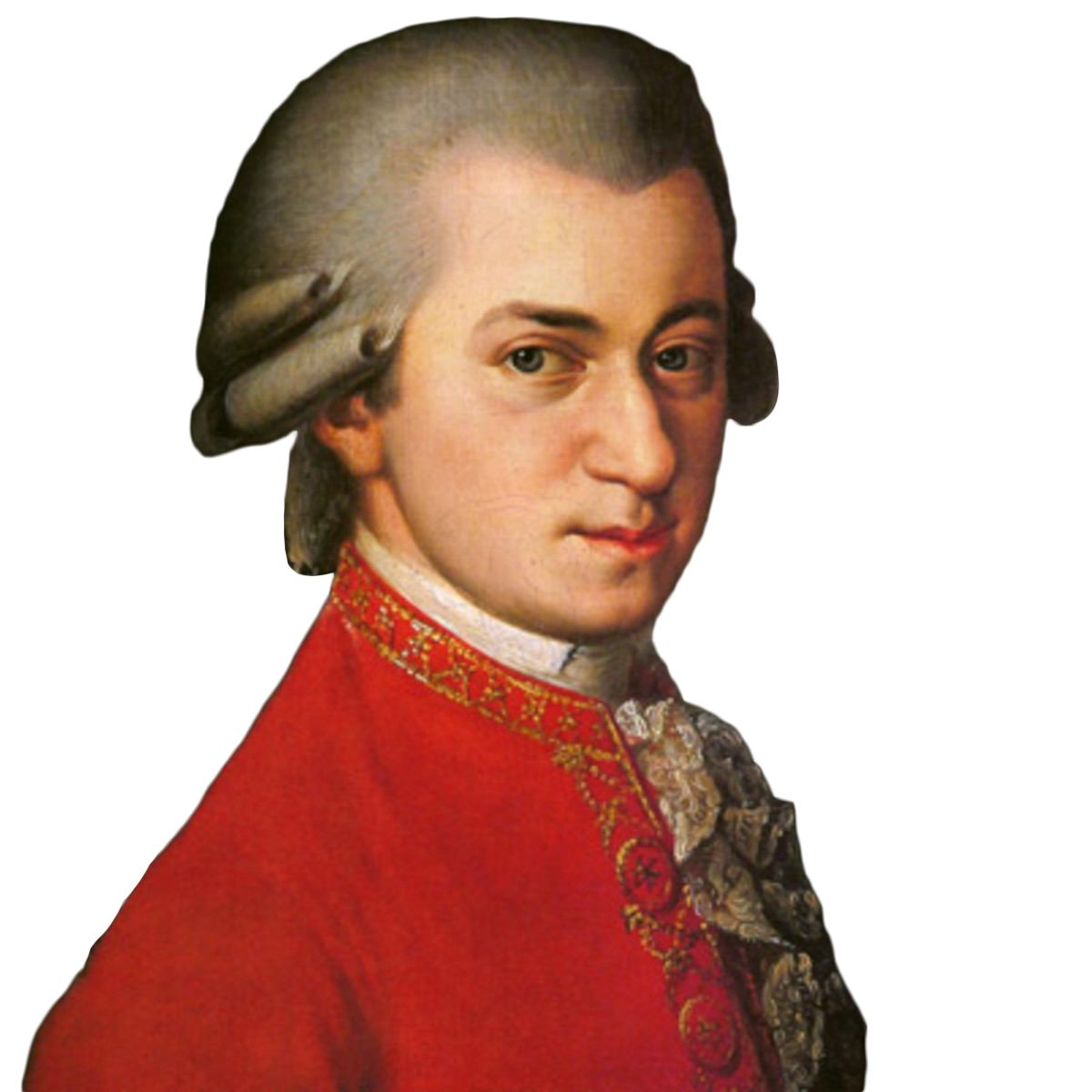
Emmanuel Schikaneder ran a suburban vaudeville theater and was a Masonic lodge brother of Mozart. He wrote the libretto of a fantastic comic tale in the format of a singspiel – Americans call it a musical – full of Masonic symbolism. The Queen of the Night is at first considered heroic but turns out to be the villain. Sarastro is at first considered to be the villain but turns out to be the Grand Exalted Master of a lodge of initiates. Tamino and Pamina move between these two forces with the aid of Tamino’s trusty sidekick, Papageno. “The Magic Flute” is a peerlessly silly masterpiece and great fun.
This “rage” aria is one of the most difficult in the coloratura soprano repertory. The Queen of the Night charges her daughter Pamina to murder Sarastro. This is a Royal Opera production with Diana Damrau as the Queen of the Night.
Happy New Year, Kathy!🤗🤗
Happy New Year!
Praise Heavenly Father in Jesus Christ 🙏.
Disclaimer: Opinions posted on Free Republic are those of the individual posters and do not necessarily represent the opinion of Free Republic or its management. All materials posted herein are protected by copyright law and the exemption for fair use of copyrighted works.