Click here: to donate by Credit Card
Or here: to donate by PayPal
Or by mail to: Free Republic, LLC - PO Box 9771 - Fresno, CA 93794
Thank you very much and God bless you.
Posted on 11/16/2026 8:57:55 AM PST by SunkenCiv
[snip] August 117 AD: Trajan dies, revolts rage, and a new ruler seizes the moment. Hadrian steps in and redraws the limits of Roman power.
Travel from a cliff-top slice of Hadrian's Wall to North Africa's frontier lines, where walls guided nomads and revived farms. Step inside an exhibition that reveals Hadrian the architect, soldier, visionary -- and the man. See how a PR bonfire of tax arrears, a fashion-setting beard, and monumental building won Rome's crowds. Then follow the marble trail to the Pantheon's 60-ton Egyptian columns and the quarry notes that changed what we know about Roman labor. In Athens, Hadrian finishes the Temple of Zeus and rewrites the city's identity; in Sagalassos, he builds a provincial "Olympics. " But a crackdown in Judea sparks the Bar Kokhba revolt, and on the Nile, Antinous's death reshapes an emperor's soul. Finally, retreat to Tivoli's private island and a mausoleum that outshone Rome itself.
Watch to uncover how Hadrian consolidated, provoked, and ultimately defined an empire -- and why his choices still echo today. [/snip]
(Excerpt) Read more at youtube.com ...
|
|
Click here: to donate by Credit Card Or here: to donate by PayPal Or by mail to: Free Republic, LLC - PO Box 9771 - Fresno, CA 93794 Thank you very much and God bless you. |
Inside Hadrian's Empire: Wall in Britain, Antinous and the Judean War | 59:08
Best History Documentaries | 127K subscribers | 10,601 views | November 13, 2026
Chapter 2: Consolidating the empire [excerpt] An underground pizzeria on the outskirts of Rome is hardly the most obvious place to start a story about Hadrian, one of the most powerful emperors who ever lived. But over here, there are some vital clues both about his origins and his rise to power. Because this building is actually hollowed out of a giant rubbish dump. This is Monte Testaccio, which roughly translates in English as Croc Mountain. At its highest point, it's about 50 meters above the ground and it covers an area of around 26,000 square meters. And the extraordinary thing is it's entirely made up of these broken bits of pot. Millions and millions of them. It's estimated that stuck back together again, these pieces of pottery represent something like 24 million complete amphai or storage jugs, each of which transported just one commodity, a staple of ancient Rome, olive oil. 80% of the capital's imported olive oil came from the Roman province of Biatica in southern Spain. Its olive oil barons were a wealthy new elite at court and amongst them were Hadrian's own family.
The YouTube transcript was processed with my fine country craftsmanship, and *may* follow.
The rest of the 'Monte Testaccio' keyword, sorted:
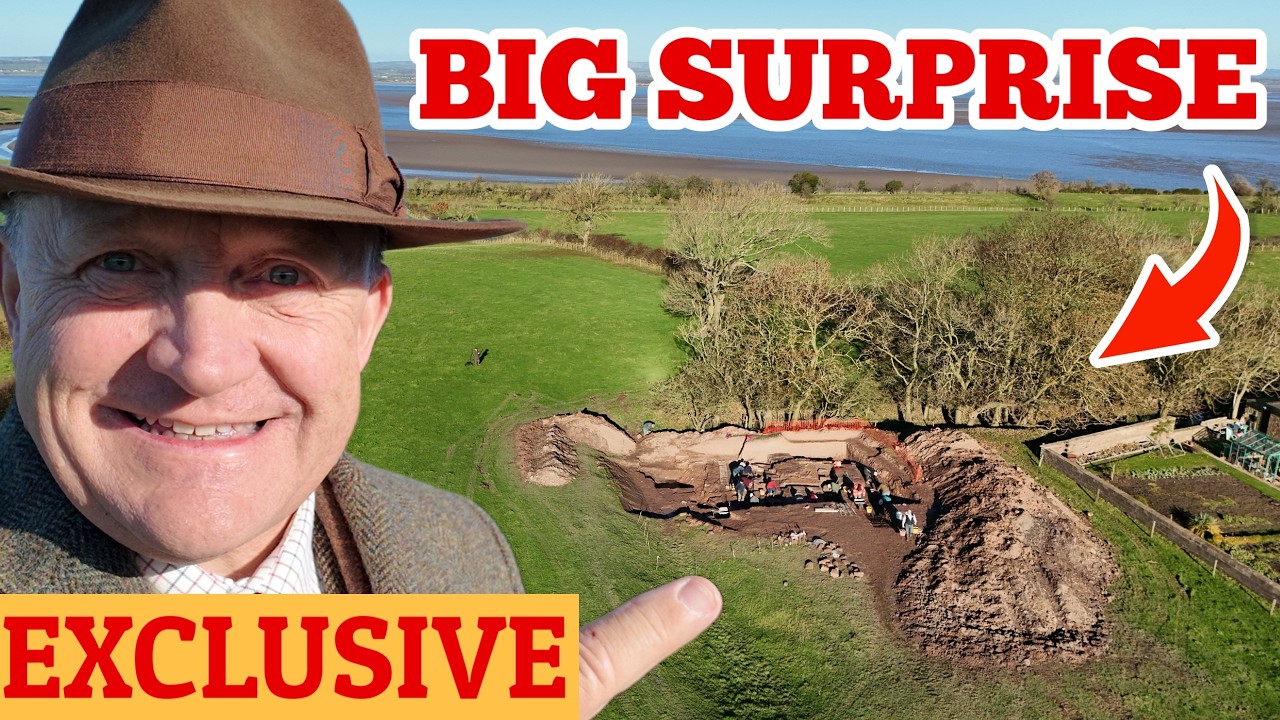
[snip] Invited to Drumburgh by Mark Graham and Emma Deyn of Grampus Heritage in November 2026, I didn't expect to find anything as exciting as the previous year when Mark's team had uncovered a section of Hadrian's Wall in country where it hadn't been seen for centuries. But, I was in for a big surprise...
In this special report for the Roman Gazette, we get exclusive access to the new trenches and Mark explains the surprising discoveries. We've got the west wall of the fort; the robbed out Hadrian's Wall; a bizarrely placed granary, and most startling of all, post-Roman re-use of the building...could we be looking into the Dark Ages here at last...?
More surprises. Shiny finds. Watch this to find out all the detail. [/snip]Hadrian's Wall: Startling New Discoveries | 16:01
WC21 (UK) Productions Ltd | 36.3K subscribers | 31,145 views | November 14, 2026
Disclaimer: Opinions posted on Free Republic are those of the individual posters and do not necessarily represent the opinion of Free Republic or its management. All materials posted herein are protected by copyright law and the exemption for fair use of copyrighted works.