
Posted on 06/06/2026 4:36:26 PM PDT by Red Badger
A blue-glowing spider was only the first clue. Deep in Angola, scientists uncovered a hidden world of species still waiting for names after long trek.
A crowned crab spider that glows bright blue under ultraviolet light. An armored cricket that can squirt defensive fluid. A ladybird orb-web spider that mimics a toxic beetle.
These are among the dozens of species potentially unknown to science discovered during a February 2026 expedition to Angola’s remote Lisima plateau. The survey, called the Cassai Life Atlas, was conducted by The Wilderness Project, an organization founded by South African explorer Steve Boyes.
The team of 16 African and international specialists captured what The Wilderness Project describes as the most detailed picture yet of the plateau, an area organizers call “one of Africa’s last great biodiversity blank spots”.
Glowing Spiders, Armored Crickets And Undescribed Dragonflies
The February survey recorded 103 dragonfly and damselfly species. Among them, eight are undescribed by science. The expedition also found eight new moth species and three previously undescribed grasshopper, katydid, and cricket species, with more likely to be identified as specialists assess the specimens.
One of the most striking finds is a crowned crab spider that glows blue under ultraviolet light. Scientists do not yet know why the spider fluoresces. Another discovery, a ladybird orb-web spider, mimics the appearance of the toxic ladybird beetle, a defense strategy that protects it from predators.
A species of crowned crab spider fluoresces under ultraviolet light, for reasons still unclear to scientists. Credit: Nicky Bay/The Wilderness Project
Expedition leader Rob Taylor described the armored crickets as “very cool … very fierce-looking,” adding that “as a defense mechanism, they can actually squirt fluid onto whoever’s trying to attack them”. Researchers also identified a previously undescribed copper caterpillar and its adult butterfly, as well as a new blood orange-hued spider.

An armored cricket photographed as part of the recent survey. The species is believed to be newly discovered, and The Wilderness Project says it may deter predators by spraying its own blood or hemolymph. Credit: Nicky Bay/The Wilderness Project
The survey also recorded extraordinary species already known to science, including the gaboon adder, which has the longest fangs of any venomous snake at up to 5 centimeters (2 inches). Another known species found was the flightless bat fly, a parasite that “swims” through bat fur and drinks their blood.

A gaboon adder, holder of the longest fangs of any venomous snake at up to two inches. Credit: Nicky Bay/The Wilderness Project
Working Through Mud, Malaria And Mechanical Failure
The team worked at the peak of the rainy season, a deliberate change from previous surveys that brought significant challenges. Taylor told CNN that the convoy was stuck in mud for entire days on more than one occasion.
“Logistically, it was extremely difficult,” Taylor said in an email to CNN. “We also dealt with starter-motor problems, alternator failures, worn brake pads and several cases of malaria in the team”.

A diurnal solifuge, a member of the arachnid order that fluoresces under UV light. Credit: Nicky Bay/The Wilderness Project
Despite the delays, the scientists used the downtime effectively. Taylor said that whenever the convoy was stuck, researchers surveyed nearby dambos (seasonally waterlogged grassland), swamp forests, and wetlands.
It could take months or even years to publish all the findings from the survey.
Threats Rise As Conservation Efforts Advance The wildlife of the Lisima plateau faces immediate dangers. Taylor warned that the region is threatened by tree-felling, deforestation, the artisanal diamond mining industry, and slash-and-burn agriculture, which destroys natural forests and depletes soil nutrients.
The expedition leader said the most vulnerable species are likely those with “very restricted ranges or very specific habitat requirements.” Dragonflies, for example, are sensitive to changes in freshwater quality, which can be affected by mining. Certain butterflies require specific host plants that could be lost to fire, clearing, or slash-and-burn agriculture.

A spiny flower mantis photographed as part of the February survey. Credit: Nicky Bay/The Wilderness Project
The Wilderness Project is using the discoveries to push for formal conservation status for the plateau. In 2025, the organization and its collaborators successfully pushed for 5.4 million hectares (13.3 million acres) of the plateau to be recognized for protection.
Last October, the wetland conservation organization Ramsar named the area Lisima Lya Mwono (“the Source of Life”) a wetland of international importance, citing its groundwater’s role in supporting 110,000 square kilometers (42,500 square miles) of surrounding ecosystem.
Remote Landscape Shaped By War And Geography
The Lisima plateau sits in Angola’s highlands, a vast landscape of swamps, wetlands, grasslands, and woodlands that has remained largely under-documented by science. The area feeds the headwaters of four major river systems: the Congo, Okavango, Zambezi, and Cuanza.
Near-impenetrable geography and a 27-year civil war that ended in 2002 have long blocked access to the region. The same factors that kept scientists out also helped protect the plateau’s natural resources. Leftover mines from the war remain a deterrent for visitors.

Planthoppers have flattened front legs that make them look like leaves among vegetation. Credit: Nicky Bay/The Wilderness Project
In 2024, an expedition led by Boyes successfully photographed a “ghost elephant” , a genetically distinct population of giant elephants cut off from others and adapted to the local environment.
“The goal is not simply to document new species discovered in Africa, but to ensure the habitats they depend on remain intact,” Taylor said.
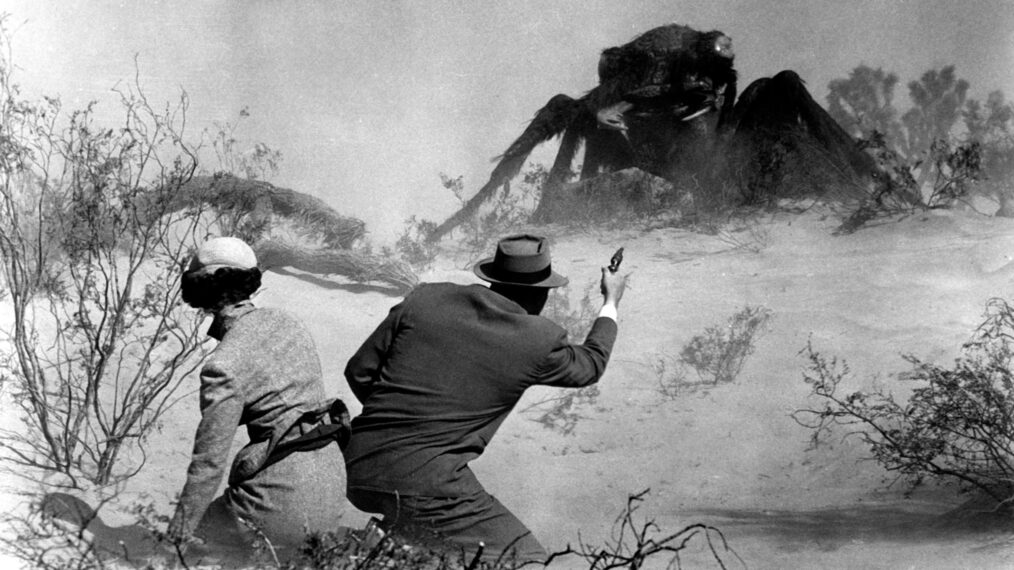
It’s THEMMMM!!!
I looked up where this area is.
The Lisima plateau is a remote and ecologically significant highland area in eastern Angola, specifically within Moxico Province Europe Says+1. It lies in the Angolan Highlands Water Tower, a vast watershed that separates river systems flowing north (such as the Cuanza and Cassai) from those flowing south into the Greater Kalahari Sand Basin Restor.
Geographically, the plateau is part of the central and southeastern Angolan highlands, situated south and alongside the Great Equatorial Divide Restor. This divide is one of Africa’s largest watersheds, and the Lisima area feeds four major African river systems — the Congo, Okavango, Zambezi, and Cuanza — whose waters eventually reach ecosystems like the UNESCO-listed Okavango Delta Hiru News+1.
The region is characterized by wetlands, grasslands, and miombo woodlands, with peat-rich floodplains and deep layers of Kalahari sand influencing its hydrology Restor. Its remoteness, combined with Angola’s long civil war and landmine hazards, has kept it largely uncharted by science until recent expeditions Hiru News+1.
In summary: The Lisima plateau is in eastern Angola’s Moxico Province, within the Angolan Highlands Water Tower, and is a critical source area for four major African rivers.
WOW! Very unique.
Cool! Thx
Australia is jealous.
Many arachnids glow under ultraviolet light. My late father-in-law used a blacklight to check for scorpions at his house outside Tucson, AZ.
Spiders were the real reason flame throwers were invented.
Better watch out, according to ancient Chinese medicine, parts of these animals will increase a man’s libido and the vegetation could be the next mass marketed superfood.
///
Big Problems Erupt in Angola – Chinese Citizens Flee as Anger Erupts Due to Belt and Road Consequences
The Conservative Treehouse - The Last Refuge ^ | August 20, 2025 | Sundance
Posted on 8/20/2025, 3:24:21 PM by E. Pluribus Unum
HatTip to Ben for calling attention to this remarkable story.
Essentially China’s “Belt and Road” initiative is a system of China putting massive infrastructure investment funds into a targeted country in exchange for their ability to extract resources needed for Chinese expansion. However, several nations are now rising up against the Chinese influence as it surfaces in the lives of the citizens.
Angola is a case study in China investing billions and with the investment a large number of Chinese citizens arrive set up businesses there. Over time resentment against the Chinese has been building. Then a flashpoint with a massive jump in gas prices. Suddenly, anarchy erupts, and all the Chinese businesses are looted, some even killed in the violence.…
Kill it with FIRE!
So interesting!
Disclaimer: Opinions posted on Free Republic are those of the individual posters and do not necessarily represent the opinion of Free Republic or its management. All materials posted herein are protected by copyright law and the exemption for fair use of copyrighted works.