Skip to comments.
Finally, an honest Abe
New York Post ^
| Nov. 25, 2012
| Harold Holzer
Posted on 02/11/2026 10:47:43 AM PST by T Ruth
Director Steven Spielberg, whom I introduced last week [in 2012] at Gettysburg at ceremonies marking the 149th anniversary of Abraham Lincoln’s greatest speech, said he was deeply humbled to be delivering an address on that history-making spot.
***
… Daniel Day-Lewis gives the definitive portrayal of our time, perhaps ever, of Honest Abe.
For people like me, who have spent their lives studying Abraham Lincoln, the film is chilling — as if he’s really come to life.
Day-Lewis does it by avoiding the traps most Lincoln actors fall into, the stoic, “Hall of Presidents”-esque stereotype that probably most Americans imagine.
There are no moving pictures of Lincoln, no recordings of his voice. But after his death, everyone was Lincoln’s best friend, and there are descriptions of everything from his accent to his gait.
The most important thing is the voice. Far from having a stentorian, Gregory Peck-like bass, Lincoln’s was a high, piercing tenor. Those who attended his speeches even described it as shrill and unpleasant for the first 10 minutes, until he got warmed up (or his endless stories managed to cow them into submission).
***
Few great people are appreciated in their time. And it’s good to remember that, no matter how right the decisions seem now, they were hard-fought then.
“I wanted — impossibly — to bring Lincoln back from his sleep of one-and-a-half centuries,” Steven Spielberg said at Gettysburg, “even if only for two-and-one-half hours, and even if only in a cinematic dream.”
***
Harold Holzer is one of the country’s leading authorities on Abraham Lincoln. ...
[At the end of the article Holzer gives thumbnail reviews of all prior Lincoln films, ranking them from worst to best, which Holzer considers to be Spielberg’s.]
(Excerpt) Read more at nypost.com ...
TOPICS: Arts/Photography; History; TV/Movies
KEYWORDS: abrahamlincoln; danieldaylewis; greatestpresident; haroldholzer; lincoln; newyorkpost; spielberg; stevenspielberg
Navigation: use the links below to view more comments.
first previous 1-20 ... 401-420, 421-440, 441-460 ... 541-548 next last
To: Rockingham
The right to vote was restricted in the Antebellum South to substantial property holders, which commonly meant slaveholders. And slavery was integral to the South’s economy, even for non-slaveholders. Similarly, I do not own an oil well, but I want them to keep pumping.The right to vote was certainly more restricted than it is today but you didn't have to be a "substantial" property holder to vote. Just a property holder in most of the South and even then townies like shop owners, lawyers, etc could vote. The things like literacy tests and poll taxes etc designed to exclude the working class became much more of a feature after the war. Broadly, yeoman farmers could and did vote. You say slavery was integral to the South's economy even for non slave owners. I won't deny all that labor was certainly important as a whole. For non slave owners however, the existence of slavery harmed the value of their labor.
To: FLT-bird
In college and after, I read not only contemporary accounts of the Civil War and Southern history, but also older ones that have been forgotten or fallen into disfavor.
To: DiogenesLamp
423
posted on
03/28/2026 2:11:06 AM PDT
by
Varsity Flight
( "War by 🙏 the prophesies set before you." ) I Timothy 1:18. Nazarite warriors. 10.5.6.5 These Days)
To: PeterPrinciple
424
posted on
03/28/2026 2:27:06 AM PDT
by
Varsity Flight
( "War by 🙏 the prophesies set before you." ) I Timothy 1:18. Nazarite warriors. 10.5.6.5 These Days)
To: Rockingham
In college and after, I read not only contemporary accounts of the Civil War and Southern history, but also older ones that have been forgotten or fallen into disfavor.I graduated as a history major and was never taught the details - just nebulous "slavery slavery slavery" dogma. Nobody ever even mentioned tariffs, or where the federal government was getting the money it had or what it was spending the money on. Nobody ever mentioned the Corwin Amendment nor did anyone mention what a fringe group/how unpopular abolitionists were.
Even in law school, my con law professors got very squirrelly when it came to the passage of the 14th and 15th amendments as well as any mention of whether states had the right to unilaterally secede under the 9th and 10th amendments. Of course nobody mentioned the express reservations by multiple states of the right to unilaterally secede made at the time of their ratification of the Constitution.
I learned all of this afterward. It came as a great shock and a revelation to discover all the things that had never been taught to me. You know that William F. Buckley quote about Liberals....."they claim to be open minded and tolerant and willing to listen to the other side. Then they're shocked and offended to learn that there IS another side....." Well its the same here. Look how offended some get and how personally they take it to learn that there is another side....and not the other side that they expected....not slavery slavery slavery....but economics.
Look how they try to spin and contort themselves to explain away the numerous quotes from all sides made by people both before and during pointing out that the money is what was really driving things - just like it did in almost all conflicts throughout history. They're emotionally committed to the fantasy of this all being some grand morality play. They'll try to talk about the "Lost Cause" even when you've said nothing about it and every quote and source was from before and during - not after.
Deprogramming people who have been fed a narrative their whole lives is difficult. I saw it when I lived in Eastern Europe in the 1990s and you can see it in America today. Many people just can't accept that they've been fed outright lies and half truths all their lives.
To: DiogenesLamp
426
posted on
03/28/2026 2:35:03 AM PDT
by
Varsity Flight
( "War by 🙏 the prophesies set before you." ) I Timothy 1:18. Nazarite warriors. 10.5.6.5 These Days)
To: FLT-bird
Southern politics and public life before the Civil War were dominated by slaveholders and their interests. What became West Virginia and the Alabama Hill country were limited exceptions, those being relatively remote and marginal areas where the topography and poor quality of the land favored small freehold subsistence farming.
More generally, the bottom rung of farmers tended to occupy small and often impermanent subsistence farms. Historians have identified a strain of proud, stubborn, combative Scotts-Irish hardscrabble farmers who worked pine scrub land they often did not even own. Beginning in Virginia, competition from large plantations gradually pushed many of them west or down the Atlantic states into south Georgia and Florida.
Several close friends were of such stock. And, as with others of that background, they provided the Confederacy with fighting men. As the saying went, it was a rich man's war, but a poor man's fight. Three friends had ancestors who were Confederate officers and small scale farmers and slaveholders.
Another family friend had ancestors who were significant plantation owners and political figures in Tallahassee. One such plantations became the City of Tallahassee Golf Course and Country Club, complete with unmarked graves of slaves and a dodgy maneuver that kept blacks out as members for decades.
Yet another friend in Tallahassee was a small businessman with ancestors who arrived in the 1830s of the hardscrabble type. His ancestors never owned slaves. Good hearted and tough as an old tree root, my friend clashed with the powers in local politics. Years after his death, many of his adversaries were prosecuted for corruption.
My excuse for bringing up old friends who have passed is that, as Faulkner put it, "The past is never dead. It's not even past."
To: Rockingham
Southern politics and public life before the Civil War were dominated by slaveholders and their interests. What became West Virginia and the Alabama Hill country were limited exceptions, those being relatively remote and marginal areas where the topography and poor quality of the land favored small freehold subsistence farming. More generally, the bottom rung of farmers tended to occupy small and often impermanent subsistence farms. Historians have identified a strain of proud, stubborn, combative Scotts-Irish hardscrabble farmers who worked pine scrub land they often did not even own. Beginning in Virginia, competition from large plantations gradually pushed many of them west or down the Atlantic states into south Georgia and Florida.I'd say this is an over generalization and in many places, not accurate. Some areas that were especially conducive to the production of cash crops had large plantations. Others did not. Of the 5.63% of White Southerners who owned slaves, half of them owned fewer than 5. So the whole Planter class of large slaveowners and large plantations was less than 3% of the population. Did they have an outsized influence? Sure. The rich always do. Did they totally dominate? No. They could and sometimes were outvoted by middle class yeoman farmers. The farms they owned were by and large not impermanent. They were family holdings they owned outright and passed down through their families.
Several close friends were of such stock. And, as with others of that background, they provided the Confederacy with fighting men. As the saying went, it was a rich man's war, but a poor man's fight. Three friends had ancestors who were Confederate officers and small scale farmers and slaveholders.
Another family friend had ancestors who were significant plantation owners and political figures in Tallahassee. One such plantations became the City of Tallahassee Golf Course and Country Club, complete with unmarked graves of slaves and a dodgy maneuver that kept blacks out as members for decades.
Yet another friend in Tallahassee was a small businessman with ancestors who arrived in the 1830s of the hardscrabble type. His ancestors never owned slaves. Good hearted and tough as an old tree root, my friend clashed with the powers in local politics. Years after his death, many of his adversaries were prosecuted for corruption.
My excuse for bringing up old friends who have passed is that, as Faulkner put it, "The past is never dead. It's not even past."
I had 9 direct ancestors serve in the Confederate army including my G-G-Grandfather who was a captain (officers up to the rank of captain were elected). He had been a 23 year old Sheriff of his county before the war. His 5 brothers also served. His youngest brother was murdered during the war by bandits when he was bringing some of the family's horses from one location to another. One of his brothers was killed in the war and 2 were seriously wounded. 2 of my other ancestors died in the war - one of measles in camp Trousdale (the main training camp in Tennessee near present day Nashville) when he was an 18 year old kid fresh off the farm and his 23 year old brother in the battle of Chickamauga.
Of all of my ancestors' families who lived in Tennessee at the time. there were as of the 1860 US Census, a grand total of 0 slaves owned. This was typical of the vast majority of the population. By the way, my direct name bearing line arrived in Jamestown in 1649 so it wasn't like they were recent arrivals. Another of those families were recent arrivals from England and another had ancestors who served in the North Carolina Militia during the War of Independence and fought in the Battle of Guilford Courthouse (I have an account he gave and somebody else wrote down many years after the war) - so they were here quite a while themselves.
To: x; FLT-bird; Ditto; Rockingham; ClearCase_guy
x:
"Where did you get the numbers from?" All of my numbers are readily available and directly sourced through google-type or AI searches.
If your inquiries produce different numbers, then the likely explanation is slightly different categories.
For one example, US 1860 cotton production is often listed as "5 million bales", which is not necessarily wrong, but I've listed it as "4.5 million standard 500 lb. bales" for purposes of calculations.
Both numbers are based on US treasury reports of 4,650,000 bales of cotton produced in 1860.
x: "What did ships that took the cotton from New Orleans (and other Southern ports) bring to those ports?"
New Orleans was the 4th largest import tariff port, after New York, Boston and Philadelphia, collecting over $2 million in import tariffs, or double every other Southern port combined.
Many ships returned to New Orleans with cargoes for sale and transport by steamboats up the Mississippi River watershed to inland ports as far away as Omaha, Minneapolis, Nashville and Pittsburgh.
However, the vast majority of ships arriving in New Orleans and other Southern ports came in ballast, meaning they had to replace normal cargos with stone, sand, iron, etc., because they had already delivered their return cargos from Europe to New York.
When the time came to pick up cotton from New Orleans, Mobile or Galveston, etc., there was relatively little those ports needed for imports.
x: "Who owned the goods that ships from Britain and Europe brought to American ports?
Surely not cotton planters or even cotton factors?"
No, of course not.
In at least 90% of cases, the cotton itself had been sold at the farmer's gate, or sometimes, Freight On Board, New Orleans (or other port) to Northern & British "factors", merchants, brokers, bank & shipping agents, etc.
Yes, on rare occasions a wealthy planter shipped his cotton to Europe on consignment, meaning he owned it until it was sold to British agents in, for example, Liverpool.
However, unlike George Washington at Mount Vernon in the 1760s, 1850s planters did not exchange their earnings from products sold in England for personal luxury goods to be delivered to their dock on the Potomac River.
Instead, consignment sales resulted in bills of exchange or credits to the planter's account which were then used to pay debts and plantation expenses.
They never resulted in planters purchasing manufactured goods for transport and sale commercially in New York, New Orleans or elsewhere.
429
posted on
03/28/2026 7:56:45 AM PDT
by
BroJoeK
(future DDG 134 -- we remember)
To: FLT-bird
As best as I can tell, about a quarter to a third of all white families in the South owned slaves at any given moment. There were local variations of course, depending on the strength and nature of the local plantation economy, but the importance of slavery in the South ought not to be minimized.
Amazingly, US census records are good enough that I was able to trace a black friend's ancestry back to two specific slaves on an Alabama plantation, then to a series of small farms after the Civil War. She was delighted. Since almost every black person in the US is descended from slaves, discussion of the subject of slavery cuts more deeply for them.
My grandparent were all immigrants early in the last century with no connection to the US Civil War. The closest that any recent relative came to combat was an Irish grandfather who seems to have been involved in the Irish Civil War, a great uncle who died while in the British Army on the Somme in WW I, and an uncle who was in the US Merchant Marine on the North Atlantic run during WW II. My father was in the US Navy during the Korean War. I also had a great uncle who was in Rural Solidarity in Poland and was apparently murdered by the communist secret police.
To: Rockingham
As best as I can tell, about a quarter to a third of all white families in the South owned slaves at any given moment. There were local variations of course, depending on the strength and nature of the local plantation economy, but the importance of slavery in the South ought not to be minimized.That is a massive overestimate. Even most PC Revisionists claim 20% to 25% and I doubt it was that high. They do this by taking the total number of slave owners (5.63% of the White population) and then just extrapolating an average family size. Of course, they don't account for the fact that there could be multiple slave owners in one family (that would reduce the number of families which owned slaves so it would be inconvenient for them). The large majority of White Southern families did not own any slaves.
My grandparent were all immigrants early in the last century with no connection to the US Civil War. The closest that any recent relative came to combat was an Irish grandfather who seems to have been involved in the Irish Civil War, a great uncle who died while in the British Army on the Somme in WW I, and an uncle who was in the US Merchant Marine on the North Atlantic run during WW II. My father was in the US Navy during the Korean War. I also had a great uncle who was in Rural Solidarity in Poland and was apparently murdered by the communist secret police.
I had family in WWII. My mom's two older brothers were drafted. My dad was just 14 when the war ended so he was too young. He was drafted during the Korean War but as a medical student they gave him a deferment until he finished med school and then he did his 2 years in the army as a doctor.
To: BroJoeK
Many thanks for your research.
432
posted on
03/28/2026 11:54:20 AM PDT
by
x
To: FLT-bird; Rockingham; x; Ditto; ClearCase_guy
Rockingham:
"As best as I can tell, about a quarter to a third of all white families in the South owned slaves at any given moment.
There were local variations of course, depending on the strength and nature of the local plantation economy, but the importance of slavery in the South ought not to be minimized."FLT-bird: "That is a massive overestimate.
Even most PC Revisionists claim 20% to 25% and I doubt it was that high.
They do this by taking the total number of slave owners (5.63% of the White population) and then just extrapolating an average family size.
Of course, they don't account for the fact that there could be multiple slave owners in one family (that would reduce the number of families which owned slaves so it would be inconvenient for them).
The large majority of White Southern families did not own any slaves."
Seriously, almost any % number you want to chose can be justifiably argued, depending on how you define and who you count, or don't count.
The 1860 census numbers are well known and not disputed.
But how those numbers get interpreted can often reveal a person's biases and loyalties.
Here are the actual 1860 census numbers by region showing household sizes and % of slave ownerships:
Average % of Households Holding Slaves, by Region -- 1860 Census
| Region | Free population | Enslaved population | Freedmen (free Blacks) | Free Households | Free people per household | % households owning slaves | Avg. enslaved per slaveholding household |
|---|
| Free States / Territories | 18,810,000 | 0 | 226,000 | 3,610,000 | 5.21 | 0.0% | — |
| Border States | 2,710,000 | 430,000 | 129,000 | 490,000 | 5.56 | 15.9% | 5.55 |
| Upper South | 2,930,000 | 1,210,000 | 96,000 | 530,000 | 5.50 | 25.3% | 8.95 |
| Deep (Lower) South | 2,660,000 | 2,310,000 | 36,000 | 490,000 | 5.37 | 36.7% | 12.74 |
| TOTAL (U.S.) | 27,110,000 | 3,950,000 | 487,000 | 5,120,000 | ≈ 5.3 | ≈26% of Southern households | ≈10 |
|---|
The first thing to point out here is that regional averages hide the extremes:
- 49% of Mississippi households owned slaves
- 3% of Delaware households owned slaves.
So, no single number can encompass the entire slaveholding South.
Likewise, it's entirely fair to say that overall ~75% of Southern households did not own slaves, but that number ranged from 97% in Delaware to only ~50% in Mississippi.
Methodologically:
- The 1860 census counted households, not nuclear families.
- Households did not include slaves but did include anyone living there, related or not.
- In the South, households were typically all related, while in the North, households could include borders or hired hands.
- Yes, the claim that some households included multiple slaveholders is true, but it's just as true that some slaveholders owned slaves in multiple households.
But both cases were rare, and so the overall averages remain valid.
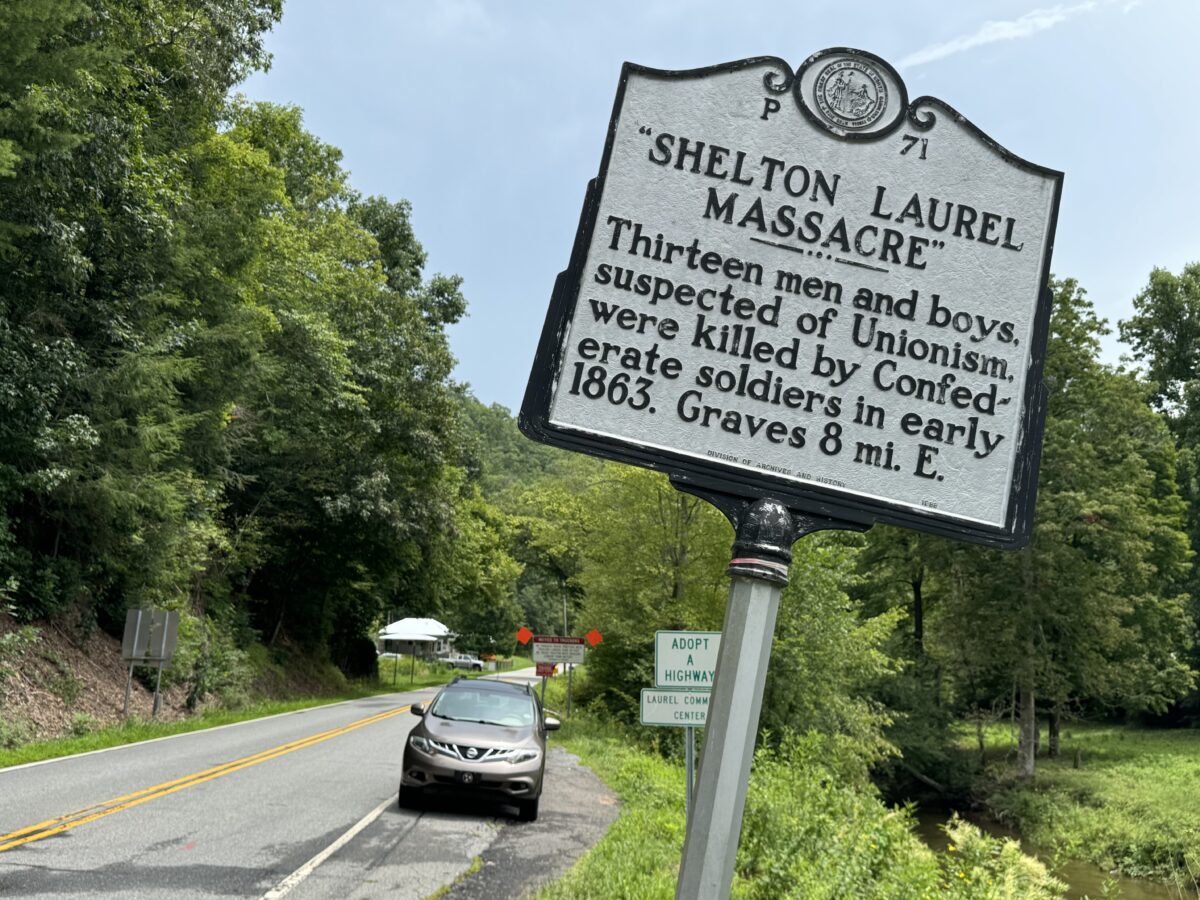
Finally, especially in Deep Cotton South states, it's utterly disingenuous to suggest that slavery was not intimately woven into the fabric of the "Southern way of life" in 1860.
So virtually everyone who joined the Confederate army or participated in Confederate government was embedded in the South's "Peculiar Institution".
And yes, there were many white Southerners who strongly opposed slavery and the CSA -- they formed majorities in places like
- Western Virginia,
- Eastern Kentucky,
- Western North Carolina,
- Eastern Tennessee,
- Northern Alabama,
- Northern Arkansas and the
- Texas Hill Country.
Such people were often abused and subject to massacres by loyal Confederates.
433
posted on
03/30/2026 7:11:00 AM PDT
by
BroJoeK
(future DDG 134 -- we remember)
To: BroJoeK; Rockingham; Ditto; ClearCase_guy
The 1860 census numbers are well known and not disputed. But how those numbers get interpreted can often reveal a person's biases and loyalties. Here are the actual 1860 census numbers by region showing household sizes and % of slave ownerships: Average % of Households Holding Slaves, by Region -- 1860 Census Region Free population Enslaved population Freedmen (free Blacks) Free Households Free people per household % households owning slaves Avg. enslaved per slaveholding household Free States / Territories 18,810,000 0 226,000 3,610,000 5.21 0.0% — Border States 2,710,000 430,000 129,000 490,000 5.56 15.9% 5.55 Upper South 2,930,000 1,210,000 96,000 530,000 5.50 25.3% 8.95 Deep (Lower) South 2,660,000 2,310,000 36,000 490,000 5.37 36.7% 12.74 TOTAL (U.S.) 27,110,000 3,950,000 487,000 5,120,000 ≈ 5.3 ≈26% of Southern households ≈10 The first thing to point out here is that regional averages hide the extremes:Here we go. Where did you get that % of households owning slaves? You definitely did not get that from the 1860 US Census. Statistical tables for each State and Territory include from the 1860 US Census include
Population by age, sex, and color according to counties;
Population by color and condition (free, colored, and slave) by counties;
Population by color and sex of cities and towns and other subdivisions;
Free population, native and foreign, by counties;
Nativities of the free population;
Occupations.
Nowhere in that Census will you find the # or percentage of households owning slaves in each state. That percentage is something you're just making up without evidence.
So, no single number can encompass the entire slaveholding South. Likewise, it's entirely fair to say that overall ~75% of Southern households did not own slaves, but that number ranged from 97% in Delaware to only ~50% in Mississippi.
You have no evidence for your claims about the % of households in each state that owned slaves. Obviously there were differences between states usually depending on the suitability of the land in that state for growing the 2 more labor intensive cash crops - Cotton and Tobacco.
Methodologically: The 1860 census counted households, not nuclear families. Households did not include slaves but did include anyone living there, related or not. In the South, households were typically all related, while in the North, households could include borders or hired hands. Yes, the claim that some households included multiple slaveholders is true, but it's just as true that some slaveholders owned slaves in multiple households. But both cases were rare, and so the overall averages remain valid.
I'm sure some cases of slave owners not owning any slaves in the household they lived in but still owning slaves in other households existed, but I would suspect it far more rare than cases in which there was more than a single slaveowner in one household. Women could and did inherit slaves from their families (like Julia Grant and Mary Anne Custus Lee) so it was not at all a safe assumption to believe only the husband owned slaves. Similarly, in households that owned a lot of slaves, it was not at all unusual for children to be gifted slaves as birthday or wedding gifts (eg a maid who was a childhood best friend, etc). There is simply no way of proving what percentage of households owned slaves based on the 1860 US Census - which was significantly more detailed than earlier Censuses.
Finally, especially in Deep Cotton South states, it's utterly disingenuous to suggest that slavery was not intimately woven into the fabric of the "Southern way of life" in 1860.
It certainly was for some. It wasn't for the majority who did not own any slaves.
So virtually everyone who joined the Confederate army or participated in Confederate government was embedded in the South's "Peculiar Institution".
False. The overwhelming majority of White Southerners did not own any slaves. Laughable to claim somebody was "embedded in" slavery when that person did not own any slaves.
To: FLT-bird
1860 census included the following…
Schedule 2 - Slave Inhabitants
Name of slave owner
Number of slaves
Age
Sex
Seems to me with the name os the slave holder and the number of slaves he owned, it would be easy to calculate the percent of slave owning families.
435
posted on
03/30/2026 12:25:56 PM PDT
by
Ditto
To: Ditto
I would need to see actual data for that - not just a number and somebody claiming its possible to get to that number based on schedule 2 information.
To: FLT-bird
437
posted on
03/30/2026 1:52:25 PM PDT
by
Ditto
To: FLT-bird
438
posted on
03/30/2026 2:30:32 PM PDT
by
Ditto
To: Ditto
By this guy's calculation 20% of families in the slaveholding states owned slaves.
I do note this is uber left wing Politifact AND I note that they were pushing very hard in this to minimize the importance of Black slave owners and to maximize the number/percentage of White slave owners whenever they could so I take any of their statements and anything they endorse with a truckload of salt. For example they repeatedly attack the 1.4% of Americans owned slaves claim......but if you look at the US as a whole, that's probably true. Only 5.63% in the Slaveholding states owned slaves.....and of course Black slave owners were included in that 5.63%.
They also claim that those who rented slaves (it was common practice for slave owners to rent out their slaves for various jobs when it was not planting or harvesting season) were also slave masters. Uhh...no they weren't.
To: FLT-bird
Well, you may not like it, but here is what the University of Virginia said based on the 1860 Census. Again, this is families, not individuals. And obviously, most probably owned a few, while a small percentage owned many.
Mississippi: 49% South Carolina: 46% Georgia: 37% Alabama: 35% Florida: 34% Louisiana: 29% Texas: 28% North Carolina: 28% Virginia: 26% Tennessee: 25% Kentucky: 23% Arkansas: 20% Missouri: 13% Maryland: 12% Delaware: 3%
Source: https://faculty.weber.edu/kmackay/selected_statistics_on_slavery_i.htm
440
posted on
03/30/2026 5:17:24 PM PDT
by
Ditto
Navigation: use the links below to view more comments.
first previous 1-20 ... 401-420, 421-440, 441-460 ... 541-548 next last
Disclaimer:
Opinions posted on Free Republic are those of the individual
posters and do not necessarily represent the opinion of Free Republic or its
management. All materials posted herein are protected by copyright law and the
exemption for fair use of copyrighted works.
FreeRepublic.com is powered by software copyright 2000-2008 John Robinson