Posted on 03/18/2024 2:31:35 PM PDT by MtnClimber
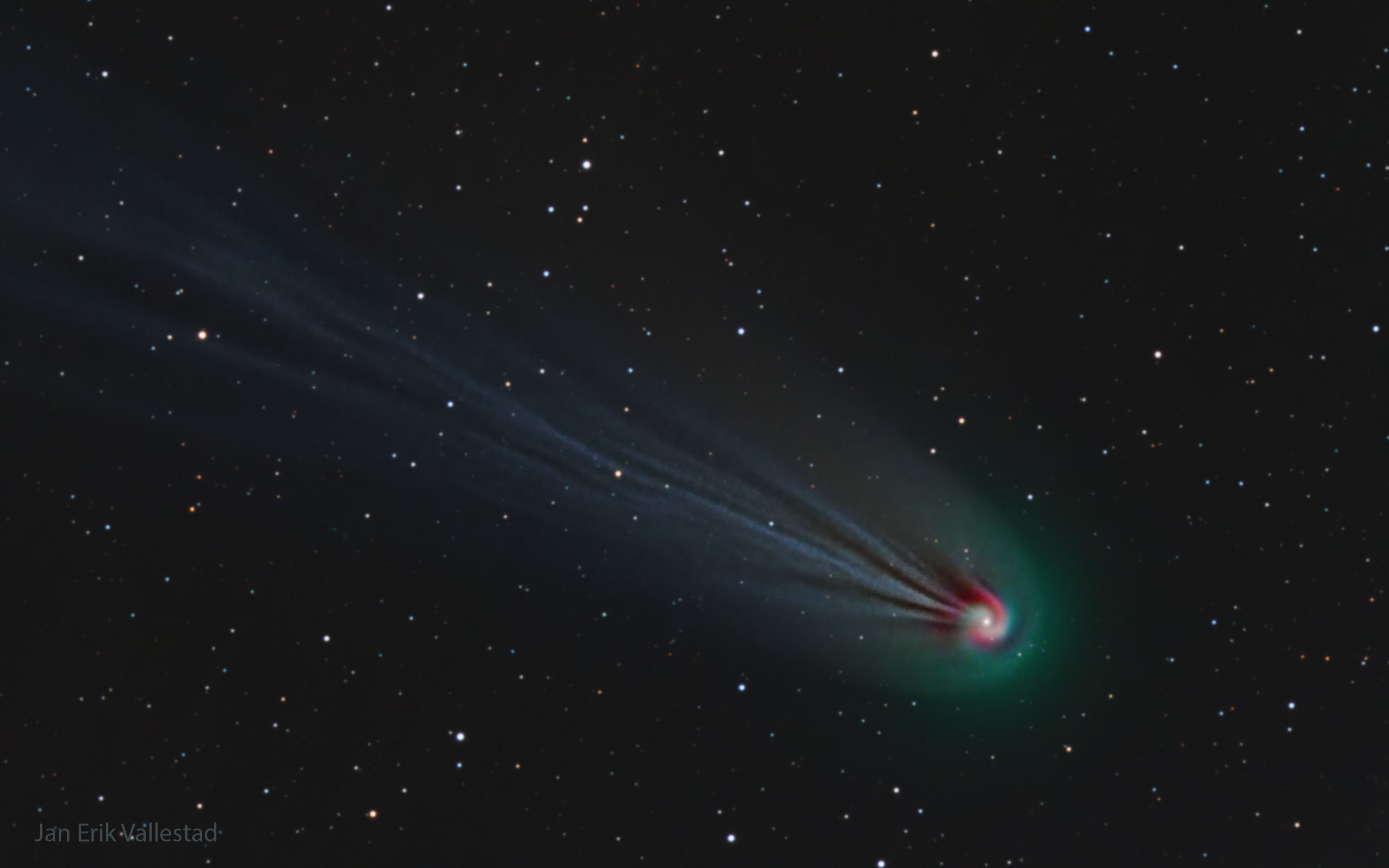
Explanation: A bright comet will be visible during next month's total solar eclipse. This very unusual coincidence occurs because Comet 12P/Pons-Brooks's return to the inner Solar System places it by chance only 25 degrees away from the Sun during Earth's April 8 total solar eclipse. Currently the comet is just on the edge of visibility to the unaided eye, best visible with binoculars in the early evening sky toward the constellation of the Fish (Pisces). Comet Pons-Brooks, though, is putting on quite a show for deep camera images even now. The featured image is a composite of three very specific colors, showing the comet's ever-changing ion tail in light blue, its outer coma in green, and highlights some red-glowing gas around the coma in a spiral. The spiral is thought to be caused by gas being expelled by the slowly rotating nucleus of the giant iceberg comet. Although it is always difficult to predict the future brightness of comets, Comet Pons-Brook has been particularly prone to outbursts, making it even more difficult to predict how bright it will actually be as the Moon moves in front of the Sun on April 8.
For more detail go to the link and click on the image for a high definition image. You can then move the magnifying glass cursor then click to zoom in and click again to zoom out. When zoomed in you can scan by moving the side bars on the bottom and right side of the image.
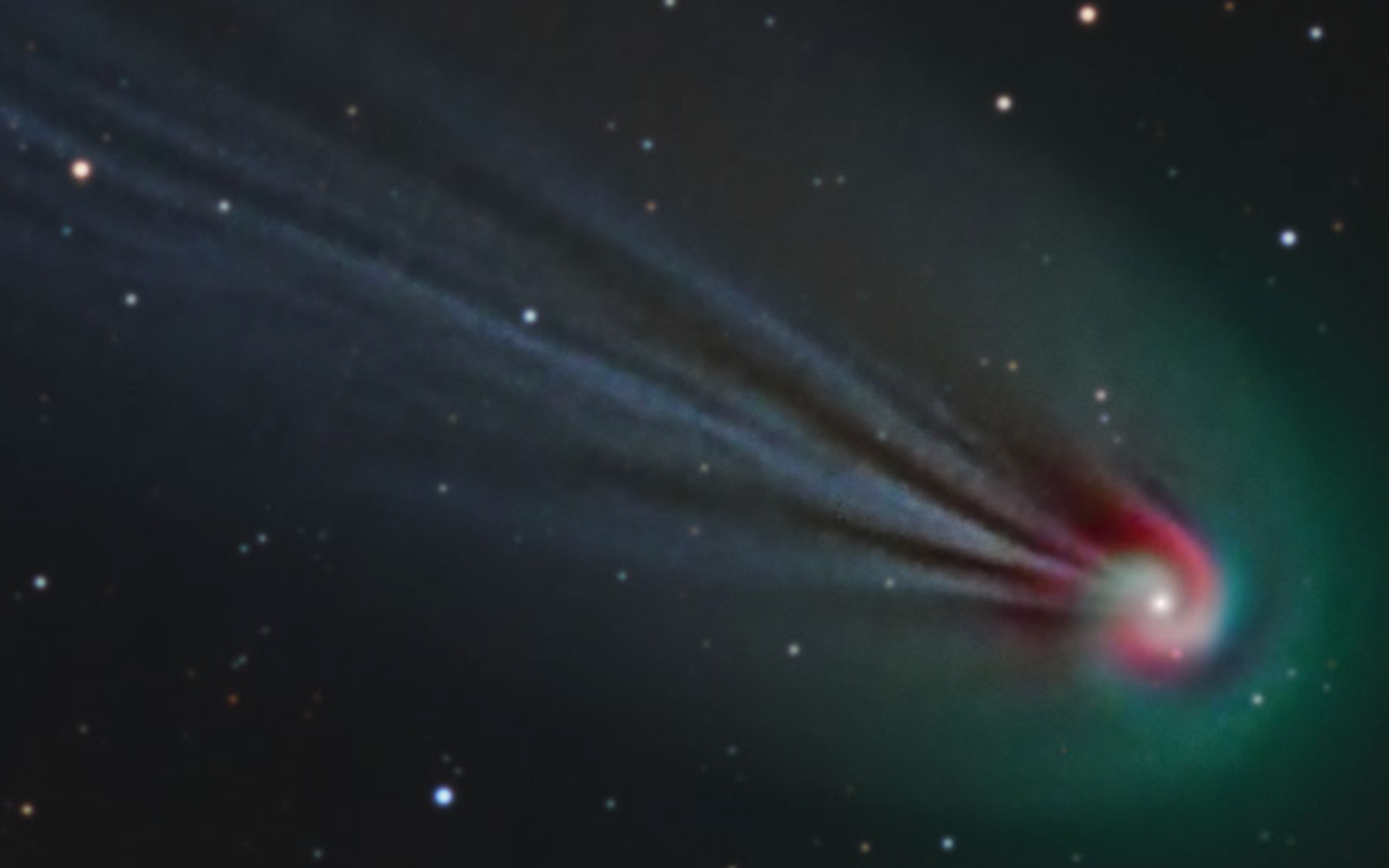
It looks like one of those pinwheel lollipops.
Wow.
Why does pretty much everything spin?
Every local reference frame of space-time is Minkowskian and the laws of physics are the same in all local reference frames. Now, the automorphism group of a Minkowski space is the Poincaré group, therefore the laws of physics are covariant under the Poincaré group. That principle allows us to identify between elementary particles and irreducible representations of the symmetry groups of nature. Applying this principle to the Poincaré group, we obtain that elementary particles carry irreducible unitary representations of the Poincaré group, and by consequence irreducible unitary representations of its subroups, in particular, the rotation group. Now, since elementary representations of the rotation group are classified by the spin, then elementary particles carry spin.And that's why everything spins (including our heads now).
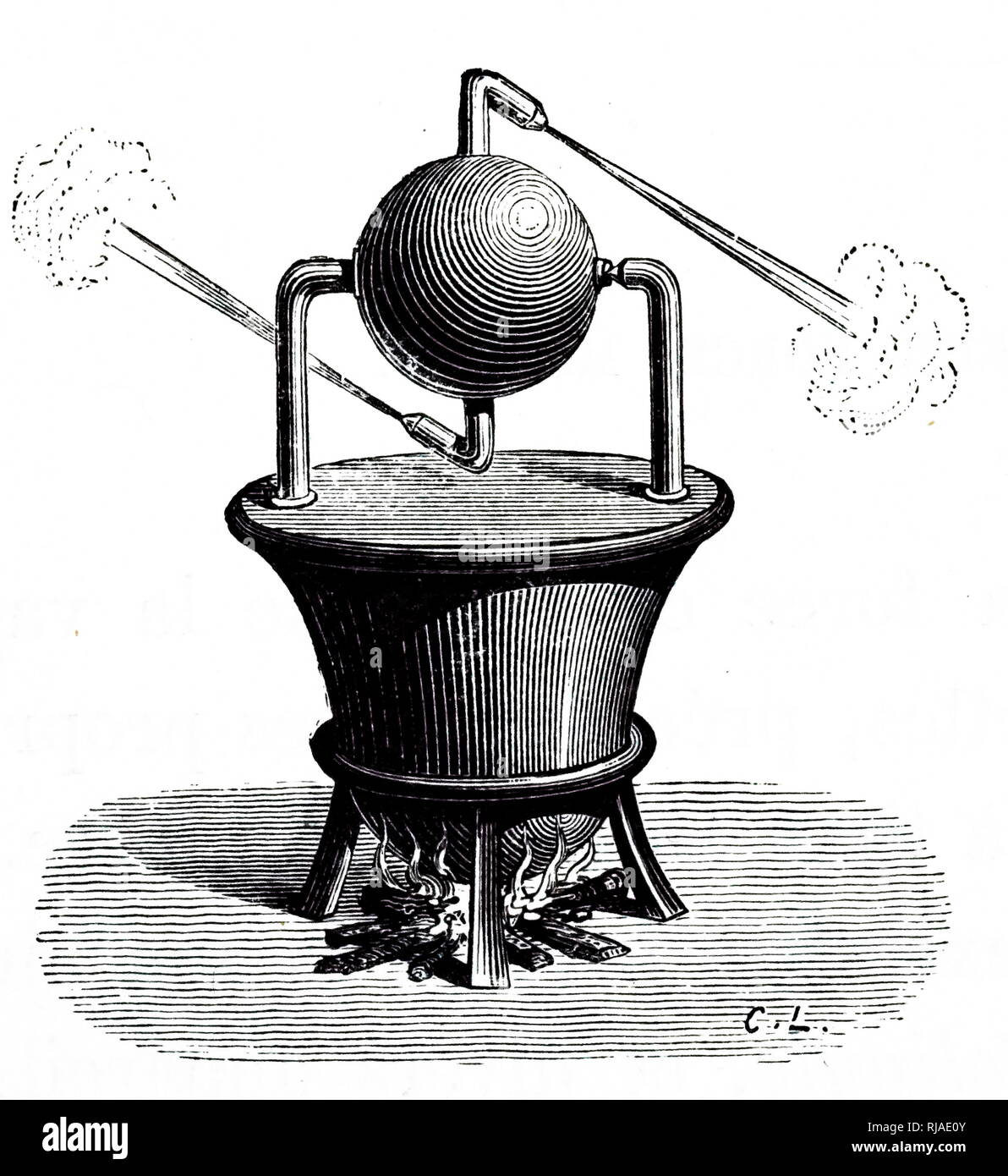
I don’t know this for a fact, but it seems to me that it is out gassing material from two spots on opposite sides of the nucleus, much like attitude control rockets on a spacecraft. It certainly is unusual.
Disclaimer: Opinions posted on Free Republic are those of the individual posters and do not necessarily represent the opinion of Free Republic or its management. All materials posted herein are protected by copyright law and the exemption for fair use of copyrighted works.