Posted on 08/04/2023 1:59:05 PM PDT by MtnClimber
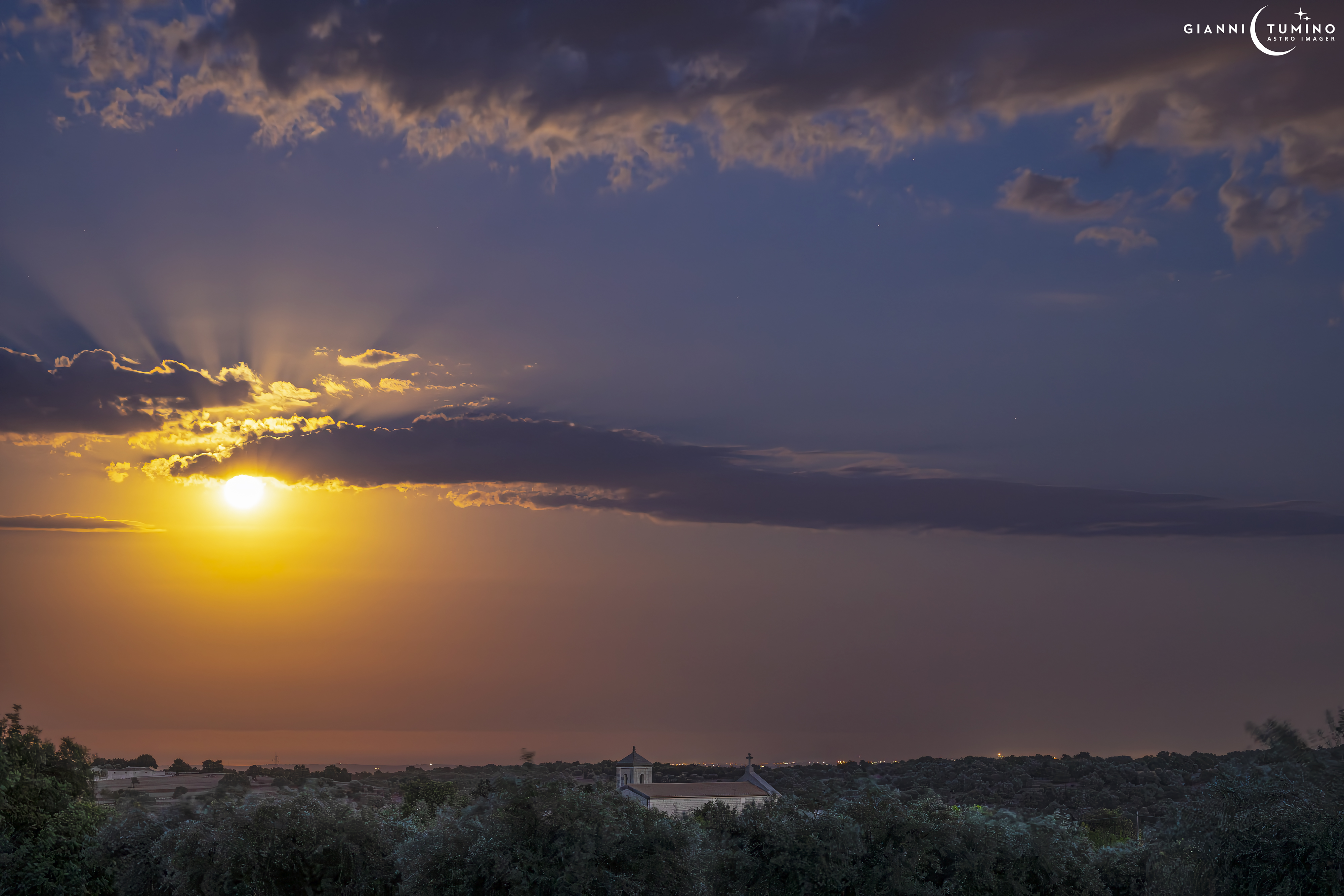
Explanation: A Full Moon rose as the Sun set on August 1. Near perigee, the closest point in its almost moonthly orbit, the brighter than average lunar disk illuminated night skies around planet Earth as the second supermoon of 2023. Seen here above Ragusa, Sicily, cloud banks cast diverging shadows through the supermoonlit skies, creating dramatic lunar crepuscular rays. The next Full Moon in 2023 will also shine on an August night. Rising as the Sun sets on August 30/31, this second Full Moon in a month is known as a Blue Moon. Blue moons occur only once every 2 or 3 years because lunar phases take almost a calendar month (29.5 days) to go through a complete cycle. But August's Blue Moon will also be near perigee, the third supermoon in 2023.
For more detail go to the link and click on the image for a high definition image. You can then move the magnifying glass cursor then click to zoom in and click again to zoom out. When zoomed in you can scan by moving the side bars on the bottom and right side of the image.
Did you take that?

No. The Picture of the Day posts are what NASA puts up on their site. I just repost here.
I didn’t take that one in post #5 either, but I sincerely apologize if it killed the thread. No way to know really.
Disclaimer: Opinions posted on Free Republic are those of the individual posters and do not necessarily represent the opinion of Free Republic or its management. All materials posted herein are protected by copyright law and the exemption for fair use of copyrighted works.