I spent Sunday looking into seed starting. Equipment used, techniques, cost of said equipment. Found a lot of cute little seed starting kits but most of them aren't made to standards. What I mean by that is they're not what the professionals use as far as dimensions, parts and pieces. If one component breaks, you can't replace just that component. I also had a hard time finding a place that had everything needed. Johnnysseeds.com for instance is out of stock on a lot of things and their prices are a little high, especially shipping. I was thinking I'd buy a bag of their 512 soil mix which is suitable for making soil blocks. Price for the 20lb bag is $16.95 but when I went to checkout and input my zip code, the total came to over $31.00. They're in the Northeast and I'm in Missouri. They have Elliot Coleman's soil mix for soil blocks recipe and I already have peat and compost so I'll just mix my own.
All links below open in a new tab/window.
These are soil blocks for those that have never heard of them
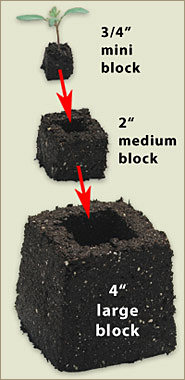
They're slightly compressed soil mix and can be put together as above or you can just start out with the biggest one without a dimple for accepting a smaller block. I'll probably go with the bigger two. I'll be making my own block makers because they're not cheap and I am. I'm also a fabricator so it's not a big deal for me to make them.
Block maker - soil blocks negate the need for pots.

The standardized components mentioned above are mostly about the trays. Nursery trays are called 1020 trays because the inner tray, if used, is about 10" x 20" in size.
Here's an inner and outer tray. The inner tray is a 72 cell tray and they're available from 32 cell up to 200 cell for different seed/seedling sizes.

They also make clear plastic covers from 2" to 7" tall for keeping the humidity up during germination. Once all the seeds have popped up, the cover is typically removed.
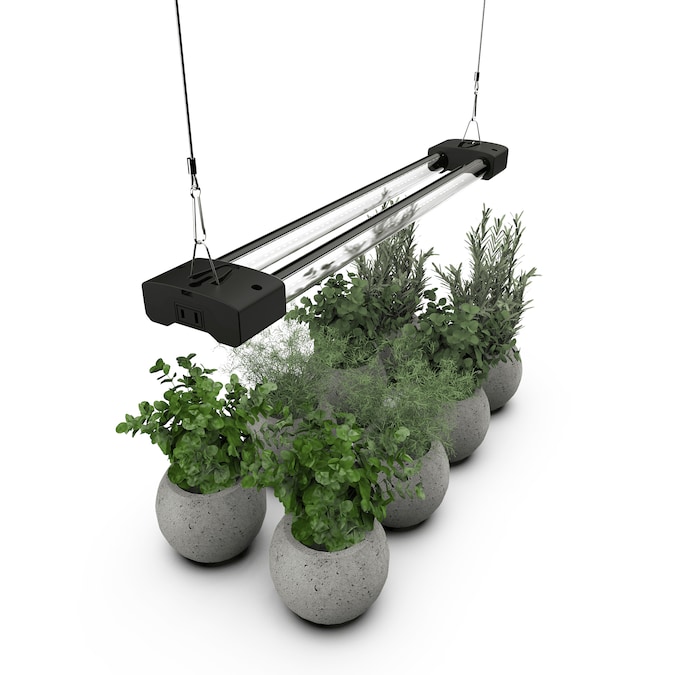
Next is lighting. One of the cute little seed starting kits has a groove in the lid where you set a special LED strip light. Setting the light on the lid seemed a little hokey to me and I don't know if it comes with light hanging hardware, chains and s-hooks. It would be great for micro-greens which are smaller than baby greens like the ones they sell in the stores for salad.
So I started looking at grow lights and all the grower's supply stores want a hefty price for them. I ended up finding a 2 foot grow light from Lowes and also found the same thing on ebay for a couple of bucks more for a pair. Lowes is a 90 mile round trip for me so ebay it is.
Here's what I put together with most items being from Wholesale Growers Direct.
BOOST LIGHTING 2 FT LED Grow Light Full Spectrum, 1,900 lumens from Lowes for $19.98. From ebay 2 for $42.99
Jump Start Hot House w/Heat Mat, Tray, 72-Cell Insert, 7.5" dome for $29.99 from WGD
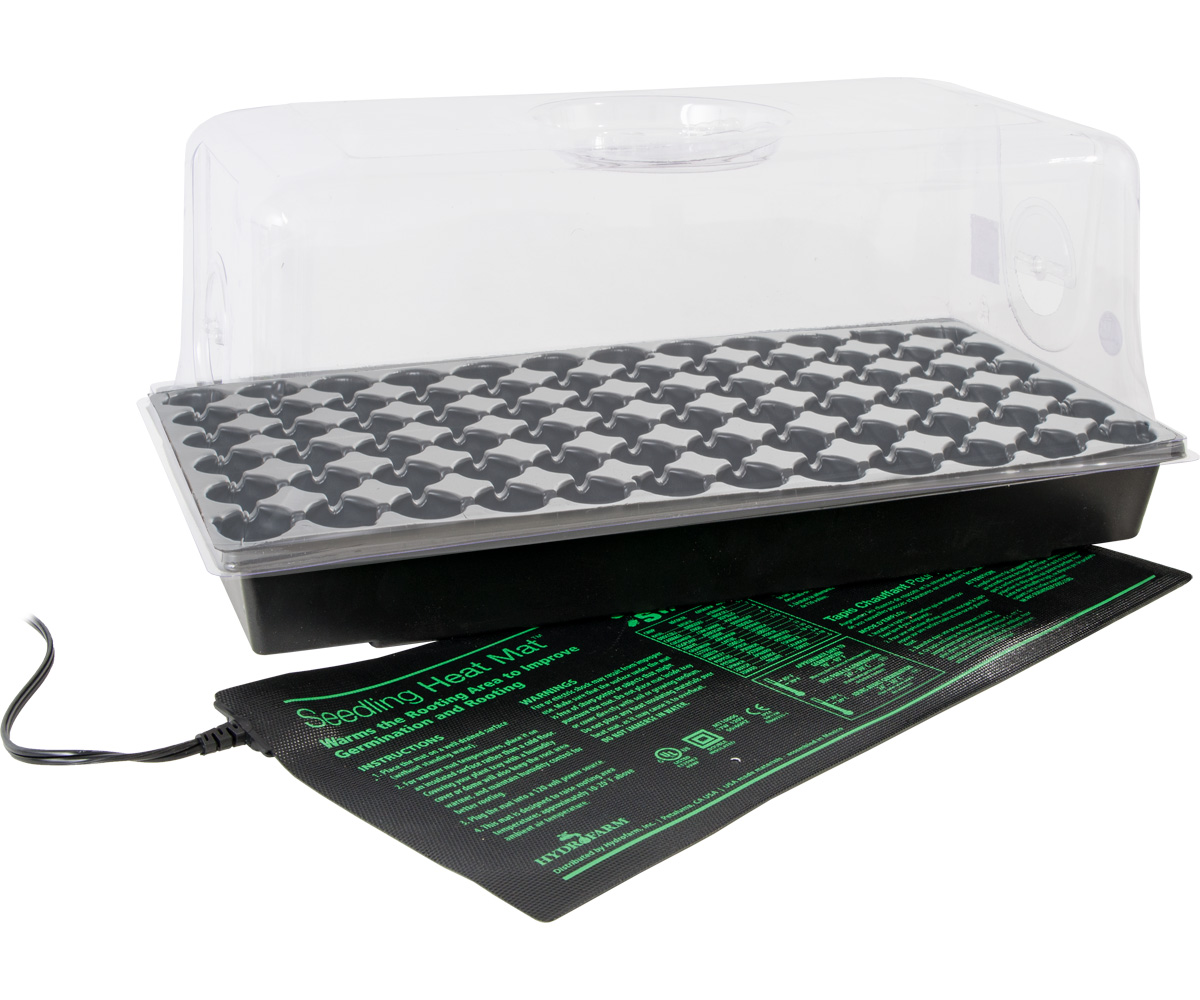
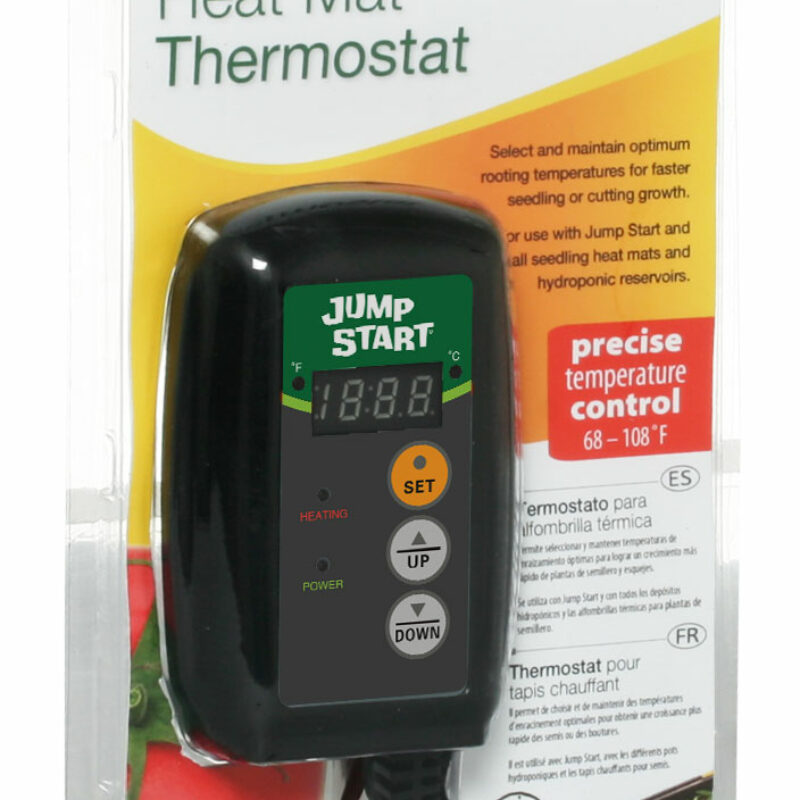
The Heat Mats normally raise the temp 10-20 degrees but since we heat with a wood stove only, it can get pretty chilly by morning sometimes so I'd like more control. They make a temp controller that allows you to set a temperature on these heat mats.
$35.30 from WGD
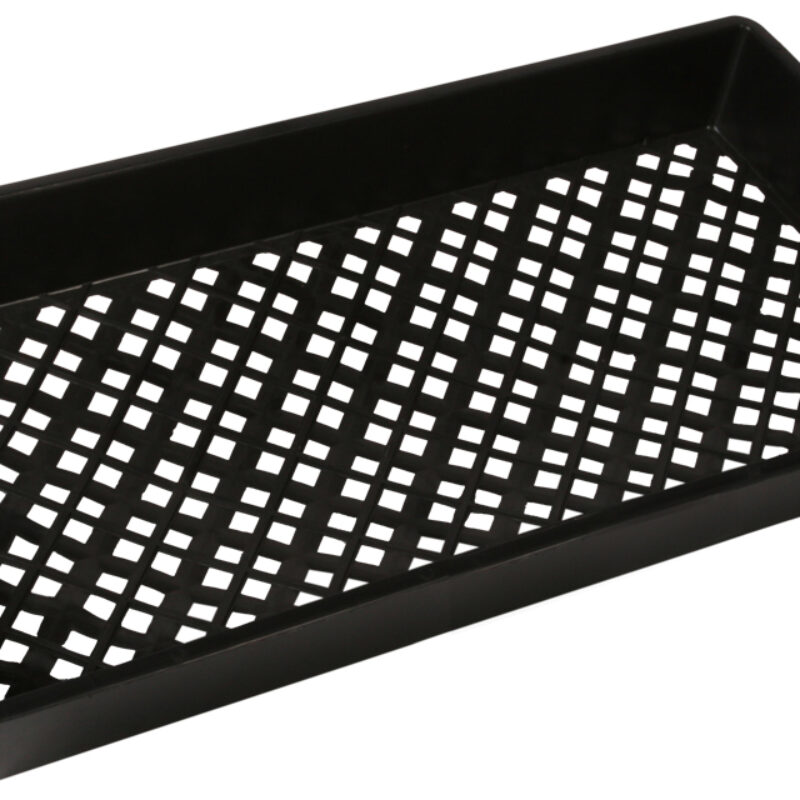
According to johnny's, these are the proper trays to use for soil blocks(out of stock at johnny's) so I'll be getting a few of them and will use the 72 cell trays to start seeds in the high tunnel.
Mesh Tray, 10" x 20" again, from WGD - Wholesale Growers Direct as they had everything I needed and at the best prices. bootstrapfarmer.com also has low prices but didn't have everything I need.
I realize I don't need this fancy setup. I could use whatever I can find laying around for trays and covers but I'd still need the heat mat, temp controller and grow lights which is most of the cost. All the plastics, trays & lids, are cheap so why not go with standard, interchangeable items? The heat mat is $20 and the heat mat plus bottom tray, inner 72 cell tray and clear lid is $30 and then the mesh tray is $1.45 so for an extra 12 bucks per unit it's worth it in my book. I plan having two setups and will buy some cell trays with assorted cell counts. For a couple bucks per tray, I might as well get a bunch of them.
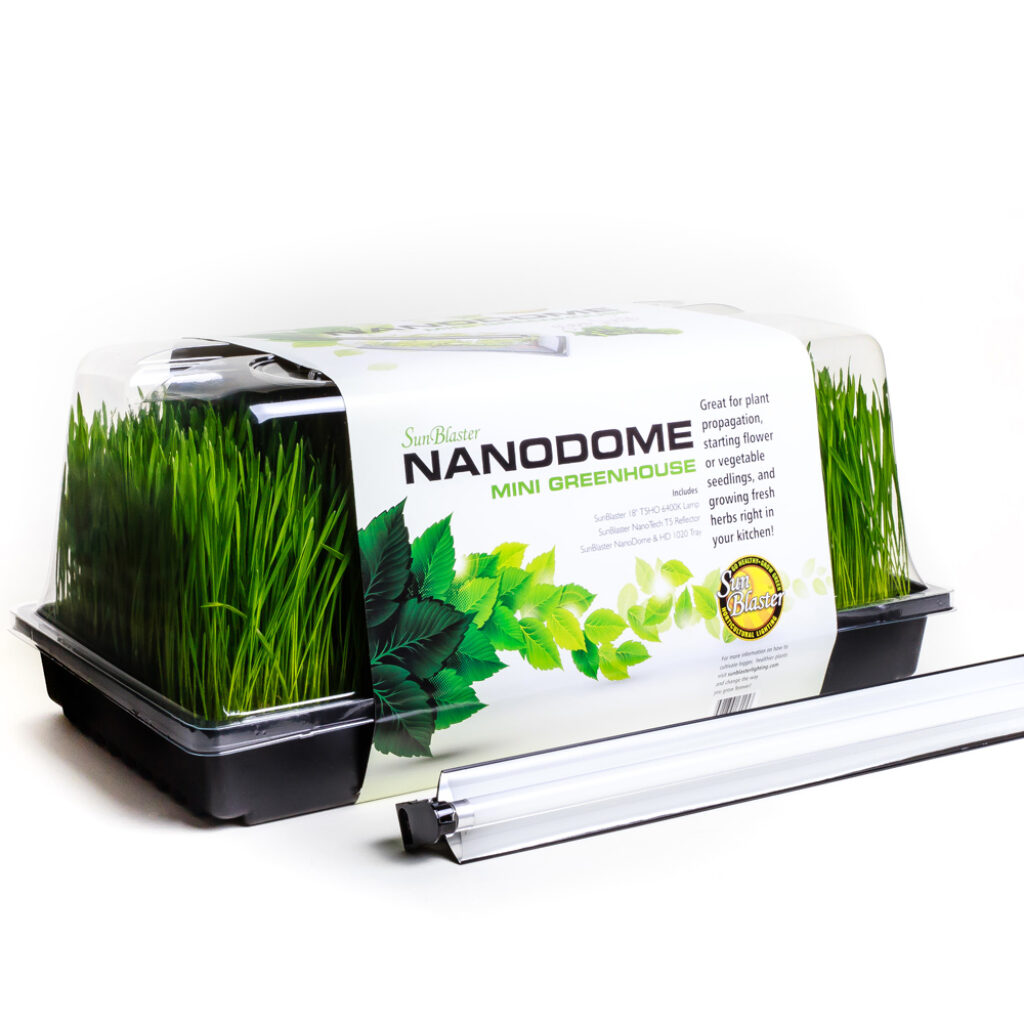
If you have better indoor climate control than me, here's the kit I mentioned above and it is standard 1020 tray based and comes with an 18" LED strip light that sets in a groove in the lid and runs at 1500 lumens. $41.51 at WGD or on ebay starting at $43 with free shipping
Potting Mixes for Certified Organic Production (with recipes in the appendix)
Raised bed soil is somewhere between potting soil and regular soil. Also has info on Coir.
Some consider coir to be more environmentally sustainable than peat because it is a by-product of industry rather than a product that is mined from a natural ecosystem. However, one must consider that coir travels much farther in shipping, originating from India, Sri Lanka, the Philippines, Indonesia, the Ivory Coast, and Central America. Because of the different areas of origin, the quality and attributes of coir can vary drastically depending on its source, with coir from Sri Lanka considered to be the highest quality and consistency (Abad et al., 2005). Some coir is processed with salt water, and this should be avoided due to high salinity
https://attra.ncat.org/product/potting-mixes-for-certified-organic-production/ One thing I have quite a bit of is charcoal or biochar as it's called in AG. It holds a ton of water so I should be able to use it in lieu of perlite/vermiculite.
Found this in the pdf above;
Biochar is incredibly porous with a high CEC, meaning that it can increase the air space, water reten-tion, and nutrient retention in a potting mix. Research conducted at Iowa State University indicates that screened biochar can be used successfully to replace perlite in greenhouse potting media. The high pH of biochar can also neutralize the acidity of peat and eliminate the need for lime. A mix with 30% biochar and 70% peat moss had a pH and physical characteristics very similar to a commercial peat-perlite potting mix.
In addition to imparting physical properties to a potting mix, biochar has been shown to augment the biology of growing media to increase the population of beneficial microbes, which can lead to improved plant growth and yield. In a greenhouse study in Israel, fine biochar added to a coconut fiber media at 1% to 5% resulted in increased growth and production for peppers and increased growth for tomatoes (Graber et a l., 2010). In addition, peppers and tomatoes grown in biochar amended media exhibited systemic resistance to gray mold and powdery mildew (Elad et al., 2010). The researchers found a greater abundance of beneficial microbes, including Trichoderma, rhizobacteria, and actinomycetes, in the media amended with biochar, indicating that the biochar had stimulated shifts in microbial populations towards beneficial plant growth promoting rhizobacteria and fungi. Either the shift in the microbial community or low doses of chemicals from the biochar may have been the cause of the increased plant growth and systemic resistance.
https://www.biorenew.iastate.edu/research/thermochemical/biochar
I have goat and chicken manure here, fresh and aged. I need to build a better goat shed and maybe have a steel grate floor with a catchment tray underneath. That will catch the urine too and increase the nitrogen quite a bit.
Here's a handy list. NPK of everything; http://www.lundproduce.com/N-P-K-Value-of-Everything.html