Posted on 08/11/2026 10:03:59 PM PDT by ProtectOurFreedom
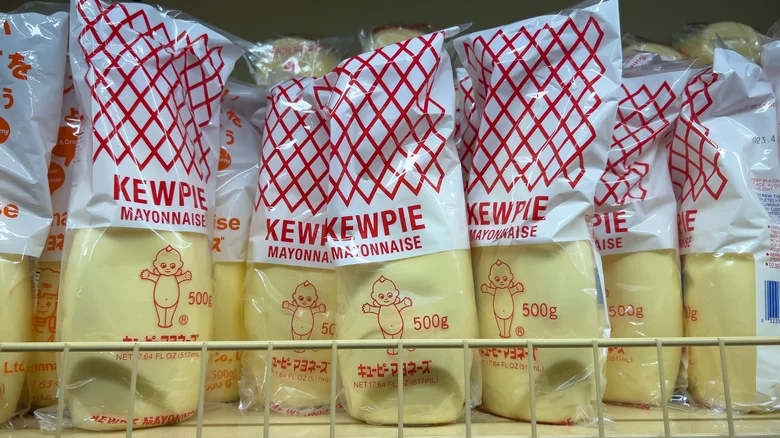
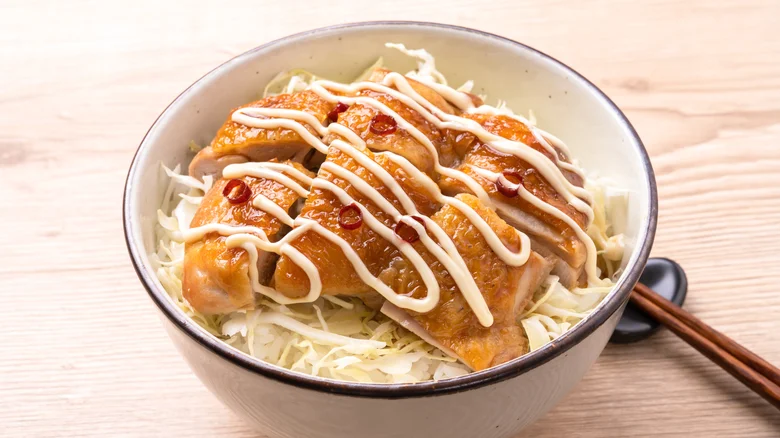
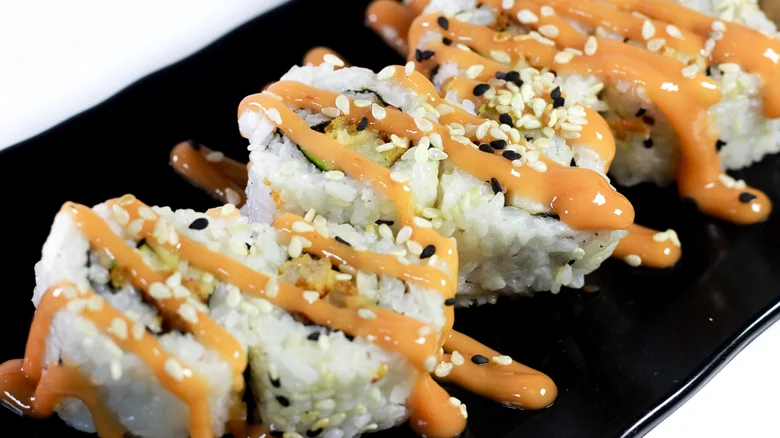
Ask any foodie who keeps up with the latest culinary trends and they may tell you about Kewpie mayo. This popular mayonnaise is used in a number of dishes in Japan, mostly notably egg salad sandwiches sold at 7-Eleven. While the company has been around for almost a century, it was only in the 1980's when Kewpie opened its first manufacturing plant in the U.S. Since then, the company has expanded to North America, Europe, as well as other Asian countries. But what makes this mayo so great that it's crossed borders and become a worldwide phenomenon? Aside from its myriad of flavors and choices, the popularity of Japanese food in general may have something to do with pop culture trends, including manga and anime, stirring up interest in other aspects of life in Japan. Japanese food also has a reputation for being healthy. Regardless of the reason, many are impressed by Kewpie mayo's creamy texture and flavorful taste.
To find out more about Kewpie mayo's popularity, we spoke with two experts, YouTuber Sam Zien, known as Sam the Cooking Guy, and David Schuttenberg, acclaimed chef and co-owner of Asian restaurant Beautiful South in Charleston, SC, to get their takes on why Kewpie is the best mayo you'll ever taste.
A relatively recent discovery in the U.S., Kewpie mayo's history goes back to the 1910s when its founder, Toichiro Nakashima, interned at what was then known as Japan's Department of Agriculture and Commerce. His internship took him to the U.K and the U.S., where he discovered mayonnaise and was inspired to create a product that would be considered healthy. He launched Kewpie Mayonnaise in 1925, a product that contains twice the amount of egg yolks found in other mayonnaise brands at the time. While this was intended to be more nutritious, it also made it incredibly tasty. Kewpie's decadent flavor comes down to the amino acids from the egg yolks. Today, Kewpie is the best-selling mayonnaise in Japan.
Once all the ingredients are inspected for quality control, the eggs go through a special egg cracking machine, and are then pasteurized and blended together. Once the product is bottled, its cap is sealed in tightly, the air replaced with nitrogen to preserve the mayonnaise's freshness and flavor. Through the years, Kewpie has inspired other brands to make similar products. Today, these are collectively called "Japanese mayo." You can even make your own version of Kewpie mayo at home. The key is to make an emulsion, which involves slowly pouring the oil into the eggs, stirring quickly to blend them.
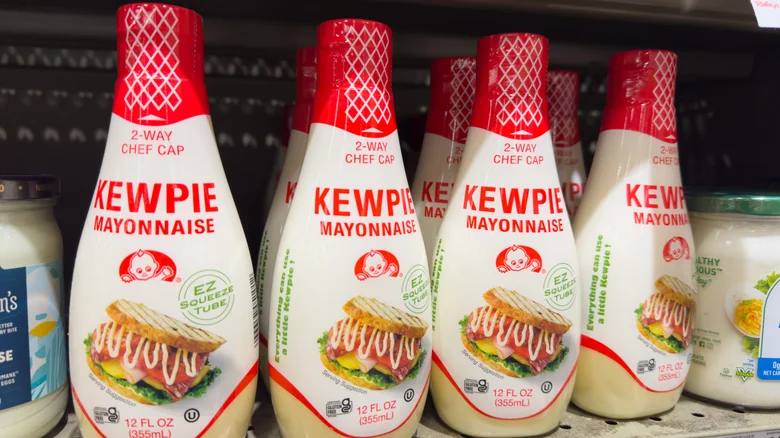
David Schuttenberg agrees with Zien. When asked about how Kewpie mayo compares to other kinds of mayonnaise, he jokes, "There are other kinds?" For Schuttenberg, Kewpie mayo is "creamier, eggier, umami-er," adding that it has a "cuter delivery device," referring to Kewpie bottles' lettering and designs, as well as its retro-looking Kewpie figure mascot and star-shaped nozzle. Overall, Kewpie wins the condiment game amongst many foodies.
Sam Zien echoes this sentiment. A longtime Kewpie fan, Zien explains that Kewpie mayo "has a great mouth feel (which I always feel creepy saying, but it's true — just like how Fiji water feels different than other waters)," adding that you can "see the difference." Other food bloggers, including The Fork Bite, are also enthusiastic about Kewpie mayo, claiming that it's both acidic and sweet, and sets the standard for other mayonnaise brands to follow.
I thought "What in the world?" The author "feedthepudge" says he got:
I had to watch it.
Well, it looks like a regular egg salad sandwich. But he uses an interesting technique of separating the yolk first, then mashing the yoke, chopping the white, and blending it all together with a bit of honey. He claims this duplicates the recipe used in 7-11 Stores in Japan and the key is Kewpie Mayo, an egg-yolk forward Japanese mayo.
It looks like it's worth trying. Here's his description from the YouTube video:
When I visited Japan a couple of years ago, I genuinely feasted on some of the best food I have ever had in my entire life. World-class sushi, unforgettable ramen, and smoky yakitori from tiny counters tucked into alleyways. But interestingly enough, among all of those incredible meals, the one thing I ate every single day without fail was a Japanese egg sando from 7-Eleven. Every morning before hopping on a train or getting lost exploring a new neighborhood, I would stop by the nearest 7-Eleven outside my capsule hotel and grab an egg sando and a canned coffee without fail. The egg sando itself is incredibly simple, and yet somehow they have perfected it. Nothing extra. Nothing flashy. Just impeccable ingredients and thoughtful technique, letting simplicity shine. So today, we’re going to recreate exactly that.An egg sando is Japan’s take on the classic egg salad sandwich. While egg salad exists all over the world, the Japanese version is distinct in both flavor and texture. It is softer, richer, cleaner tasting, and far more intentional. The word sando comes from the English word sandwich, and it became widely popular in Japan during the twentieth century as Western-style foods were adapted to Japanese tastes. Convenience stores known as konbini played a huge role in its rise. Places like 7-Eleven Japan elevated everyday foods by obsessing over quality, consistency, and freshness.
Dukes mayonnaise is the best.
Used to put mayo on fries while in Germany. Try it. Pretty good.
Kewpie also uses a special kind of plastic on their bottles
They mayo doesn’t stick to the sides, and all flows down to the spout. There is very little frustrating waste left in the bottle.
The Japanese consumer-products companies think of all the little things
Where I live we call this, “Japayonnaise”. There’s a really large Asian population (Japanese, Chinese, Korean, Filipino, Vietnamese and Hmong) in Chicago’s northwest suburbs, and it used to be that Mitsuwa Marketplace or H-Mart were the only places you could buy some items without importing them directly from Asia. That was about 20 years ago, and now most of our grocers have it on the shelf.
It is VERY good. I use it for everything except cole slaw.
Oh, I do. I love this stuff on fries, burgers, chicken, you name it, but fianceé hates mayo. With a passion. It’s a textural thing for him.
He’s missing out.
I’d go farther than your fiancee: yes, there’s that nasty, greasy texture. But there’s also the disgusting taste. I wonder if Kewpie is less vile than others in the market.
” I use it for everything except cole slaw. “
Greets from earthquake ravaged Kumamoto , Japan . I use Kewpie all the time for cole slaw , potato salad , etc...No idea they sold it overseas .
I like Miracle Whip, so I guess I will have to keep out of this discussion.
Yep, Kewpie is very common in the "Oriental Foods" section of most groceries stores here in Houston (and in my refrigerator right now, too).
The Kewpie headquarters is just up the street from my house. I walk by it all the time.
Attention to detail is always nice.
Barbarian! Heathen!
Ditto.
You have a house in Shibuya ? Are you related to Elon Musk ? ; )
he uses an interesting technique of separating the yolk first, then mashing the yoke, chopping the white, and blending it all together
Miracle Whip and Ketchup for my burgers
I’ve never tried Kewpie, but of the ones I’ve had, Kraft is the worst.
Yes...I watched that one too...after I wondered how the heck it got 40mil views....it was just egg salad...
As for Kewpie: meh...it’s just mayo. Duke is better, imho.
Dukes is very good. I also like Blue Plate.
Disclaimer: Opinions posted on Free Republic are those of the individual posters and do not necessarily represent the opinion of Free Republic or its management. All materials posted herein are protected by copyright law and the exemption for fair use of copyrighted works.