Posted on 07/15/2026 10:12:18 AM PDT by algore
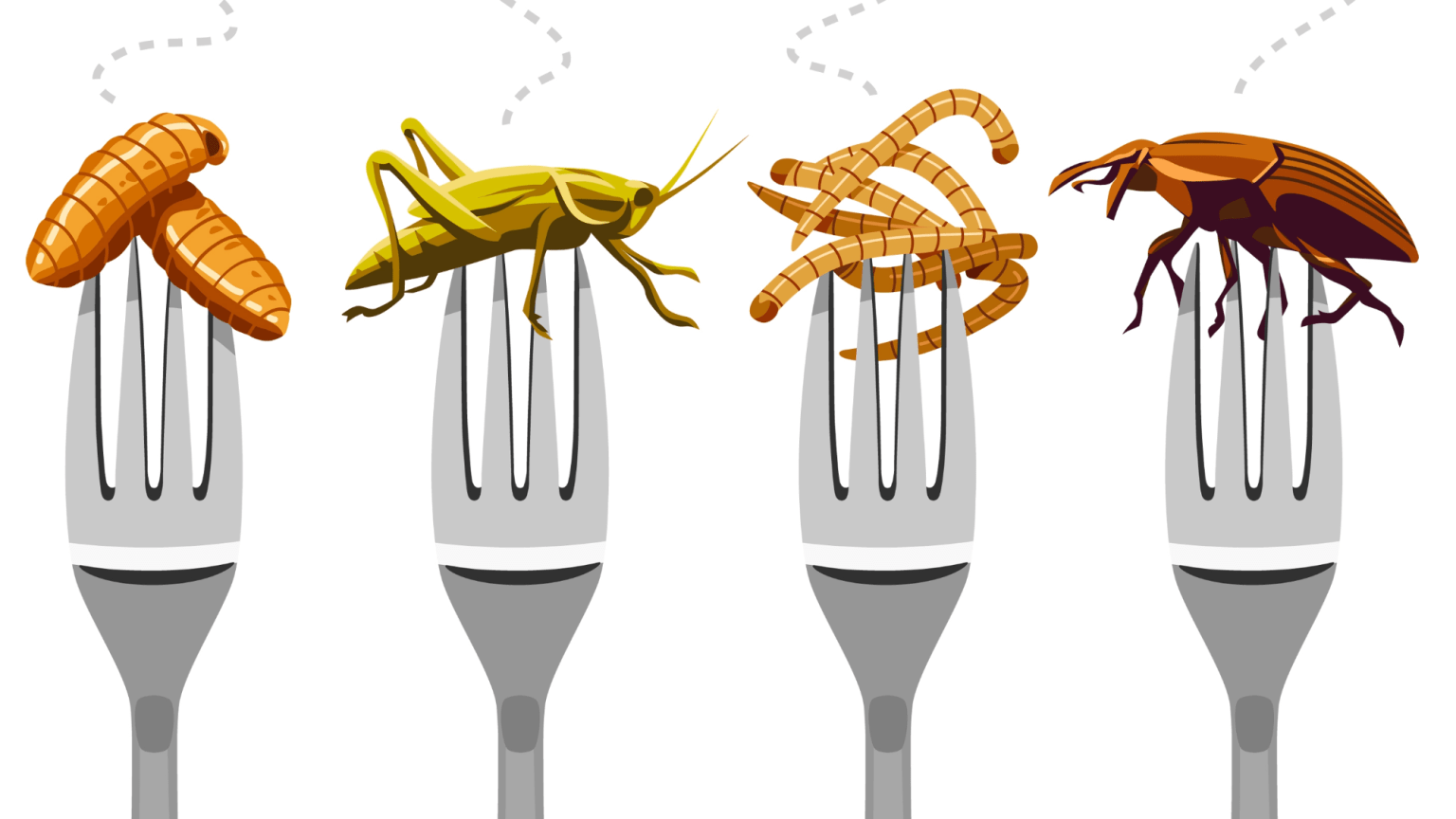
Insects are not typically considered food in Western society, and many would probably balk at the idea of chowing down an insect bar (though gym bros might be excited at the idea of a new low-fat source of protein). However, the participants in a recent study were actually more likely to prefer an insect protein bar over a cereal bar.
“Insect-based food, a potential solution for the escalating global food demand, faces consumer acceptance challenges in some regions,” a team wrote in the Journal of Neuroscience, Psychology, and Economics study. “This article aims to understand the physiological reactions to an insect bar to assess its potential acceptance, thereby fostering the quest for sustainable food sources.”
Thirty-eight adults in Portugal aged between 18 and 55 took part in the study. None of them had ever tasted insect-based foods, and they began by taking a survey of their knowledge and thoughts regarding insect-based products. Next, the team measured their heart rate and brain activity with an electrocardiography (ECG) and electroencephalography (EEG) while they tried an insect protein bar and a cereal bar.
The prediction was that the participants who had little awareness of insect-based foods would have a stronger physical response to the insect protein bar, and prefer the cereal bar. The researchers informed some of the participants which bar was which, though they told others that the insect bar was the cereal bar.
Heart rate and brain activity revealed that participants started paying more attention and became more engaged as they ate the insect protein bar. Heart activity also increased during the tasting, and the team read this as evidence of increased arousal and attentiveness. Interestingly, these dynamics also occurred for participants who weren’t aware that they were snacking on an insect protein bar, indicating that there was more behind the reaction than just presumptions about eating insects.
Perhaps most shocking of all, however, is that when the researchers asked the participants which food they preferred, they were overall more likely to pick the insect protein bar. That’s despite the fact that, before trying them, the participants had frequently voiced doubts or surprise when speaking about insect-based foods.
wonder if bill gates paid for this article

Do Bill Gates, Al Gore, and Klaus Schwab eat bugs on a regular basis?
The article doesn’t say.
Maybe that’s because they don’t eat bugs.
Only the peasants are asked/told to do that.
🤔
Eat whatever you want, eurotards. I’ll be having steak and potatoes cooked with gas and eating it in my AC cooled kitchen.
Cue the “Not this S***t again” graphic!
Maybe the folks at Popular Science would like to eat some dog turds, too.
You first
More beef for me.
No
Partly because we can not break the chitin down properly which results in massive constipation.
ummmmmmm no!
I remember reading the memoirs of frontiersman James O. Pattie who, on one of his trading expeditions to what would be the southwest U.S., encountered a band of primitive, impoverished Indians he called “Grasshopper People” because a main part of their diet was....grasshoppers. Civilizations advanced and allowed people to eat considerably higher up the good chain.
I think bovine and porcine species have sustained themselvers since the demise of the dinosaurs and the rise of mamals. Fish and chicken could have been around before then.
Sorry, but I’m not buying it.
John the Baptist lived on locusts and honey.
We are all not Saints.

Put ‘em out on the bar during happy hour and I’ll bet they are snarfed right up.
“You’ll eat it an YOU’LL LIKE IT!” says our Democrat overlords.
Disclaimer: Opinions posted on Free Republic are those of the individual posters and do not necessarily represent the opinion of Free Republic or its management. All materials posted herein are protected by copyright law and the exemption for fair use of copyrighted works.