Posted on 03/28/2026 2:10:29 PM PDT by ProtectOurFreedom
The woman, identified as 46-year-old Gabriela Bautista, is the second person to suffer a fatal bite in recent weeks.
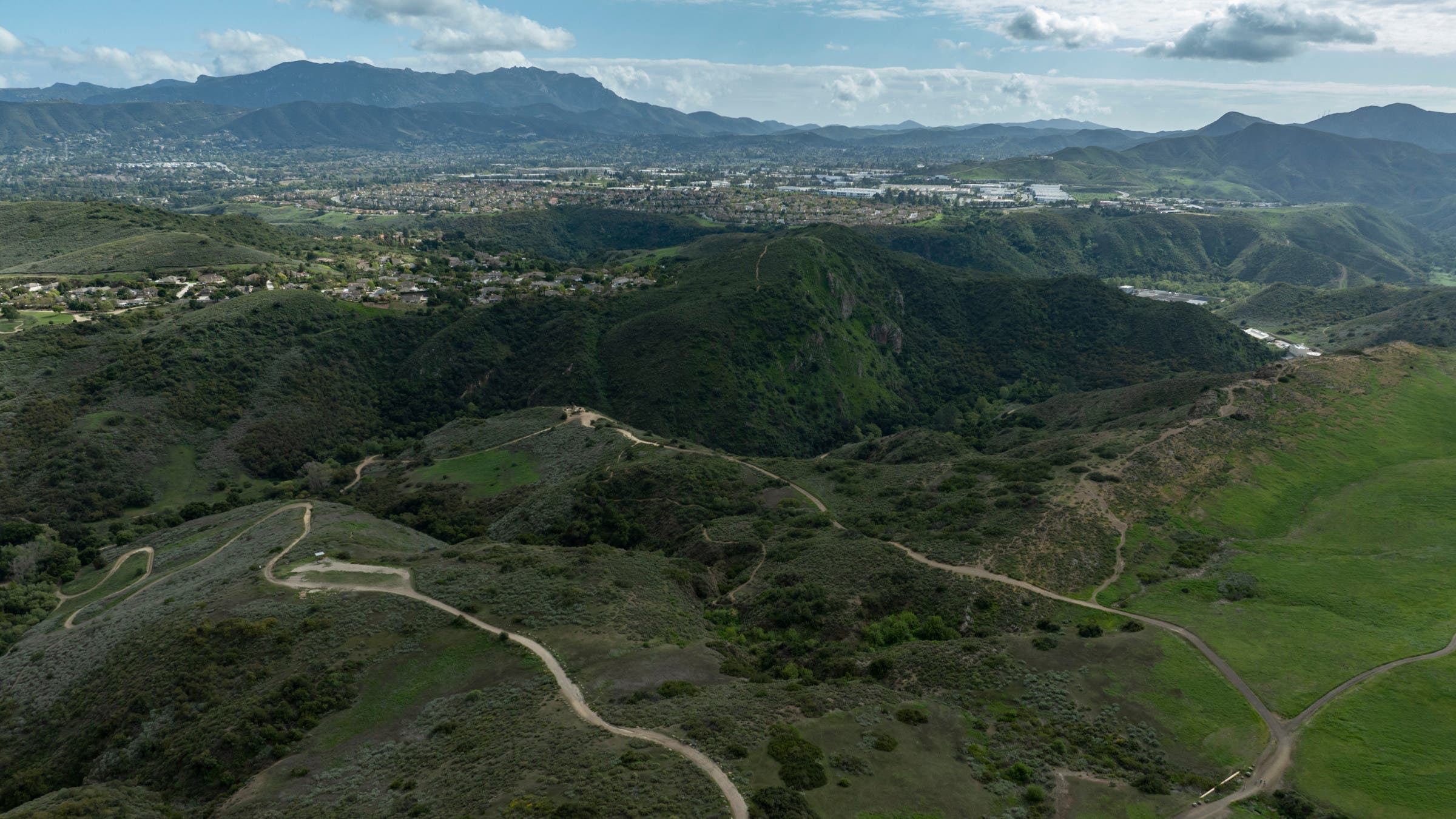
A 46-year-old hiker died after a rattlesnake bit her on a popular Southern California hiking trail, the area’s second death by snakebite this year, authorities say. Gabriela Bautista was hiking at Wildwood Regional Park, a popular area near Thousand Oaks with 17 miles of trail, when she suffered a bite on March 14 at about 11:40 a.m., Ventura County Fire Department spokesperson Andrew Dowd told the Thousand Oaks Acorn. Emergency services airlifted Bautista to Los Robles Regional Medical Center, where she died on March 19. While the incident occurred earlier this month, it had not been publicly reported until this week.
Bautista’s death came just weeks after another fatal snake encounter in Southern California. On February 1, Julian Hernandez, 25, was mountain biking near Irvine. He stopped to adjust his shoe when he lost his balance and fell into some brush, where a rattlesnake apparently bit him, the Irvine Police Department told Los Angeles’s ABC7. While Orange County firefighters rushed Hernandez to the hospital, he died just over a month later on March 4.
A warm winter and spring across much of the western United States may be contributing to higher-than-usual rattlesnake activity. Dowd told Los Angeles’s KTLA that in 2025 the department recorded 9 rattlesnake-related calls, and that since March 14 alone, it had responded to 4. Following the bites, San Bernardino National Forest issued an alert warning visitors of rattlesnakes in the area.
Deaths by snakebite are extremely rare in the United States. According to the Centers for Disease Control and Prevention, 7,000 to 8,000 people suffer venomous snakebites every year, with only 5 or so dying as a result. In August of 2025, a hiker died from an allergic reaction to a rattlesnake bite in Tennessee’s Savage Gulf State Park. Authorities later said they believed that the hiker had picked up the snake, possibly in an attempt to move it.
“Did you know a rattlesnake can strike the distance of its length?”
They can’t.
Illegal
“Their heads have the same shape “
In the normal state they have different shapes but when disturbed the can flatten it into a triangular shape.
Gopher snakes have oval heads, round pupils and pointy tails. They can mimic rattlers by hissing and striking out-especially smaller ones.
A rattlesnake can strike at distances equal to 1/3 to 2/3 of its total body length, meaning a rattlesnake measuring 6 feet long can strike between 2 and 4 feet away. The snake’s ability to strike from so far away means that the safest place to be is beyond the snake’s total body length.
#1 Eastern Diamondback
#2 Mojave Rattlesnake
#3 Western Diamondback
#4 Southern Pacific Rattlesnake
#5 Northern Pacific Rattlesnake
This was a Southern Pacific snake. Formidable.
its gonna take a few days to process this...
“A rattlesnake can strike at distances equal to 1/3 to 2/3 of its total body length, meaning a rattlesnake measuring 6 feet long can strike between 2 and 4 feet away. The snake’s ability to strike from so far away means that the safest place to be is beyond the snake’s total body length.”
https://a-z-animals.com/sourcing/#jump-citing-our-content
My grandfather was bitten on ankle by a large cobra. He burned the bite area with match sticks. He survived without any medical help. I still remember the scar on his ankle.
Any cuts or bleeding gums and you’ll be in a dab way
I would think theres a time element at play. If you can do it very close to the time of the injection, it could help. If minutes go by, it may already be too dispersed for sucking out.
Kill, shovel, stay quiet
Enter that into Google Maps.
Rattlesnakes are quite docile and don’t want to bite. Wear boots and move away if you hear their warning.
Are they listed as being threatened or endangered?. Rattlers do help keep down the rodent population.
Clever mimicking to scare off potential predators. I taught my children how to tell if a snake here in Florida is a pit viper. Triangle shaped head and “cat” eyes. That and the fact they usually attack by putting themselves into a hoop shape and rolling after you.
“That and the fact they usually attack by putting themselves into a hoop shape and rolling after you.”
Ah, the infamous hoop snake. Classical camping lore back when I was a kid in the 50’s.
Disclaimer: Opinions posted on Free Republic are those of the individual posters and do not necessarily represent the opinion of Free Republic or its management. All materials posted herein are protected by copyright law and the exemption for fair use of copyrighted works.