
Posted on 03/01/2026 5:58:25 AM PST by Diana in Wisconsin
The MONTHLY Gardening Thread is a gathering of folks that love soil, seeds and plants of all kinds. From complete newbies that are looking to start that first potted plant, to gardeners with some acreage, to Master Gardener level and beyond, we would love to hear from you.
If you have specific question about a plant/problem you are having, please remember to state the Growing Zone where you are located.
This thread is a non-political respite. No matter what, you won’t be flamed, and the only dumb question is the one that isn’t asked.
It is impossible to hijack the Gardening Thread. Planting, Harvest to Table Recipes, Preserving, Good Living - there is no telling where it will go - and that is part of the fun and interest. Jump in and join us! Send a Private Message to Diana in Wisconsin if you'd like to be added to/removed from our New & Improved Ping List.
NOTE: This is a once a MONTH Ping List, but we DO post to the thread all throughout the month. Links to related articles and discussions which might be of interest to Gardeners are welcomed any time.
Starting from Seed, Garden Designs, Planting, Harvest to Table Recipes, Preserving, Good Living, Shortcuts, Hints & Tips, Gardening for Seniors or Learning a New Skill.
Please join us in helping everyone do a little something to become more self-sufficient in our Victory Gardens. :)
The Remarkable Rise of Victory Gardens: Cultivating Resilience and Sustainability
The Origins of Victory Gardens
Victory Gardens emerged out of necessity during World War I, initially initiated in 1917 by the U.S. Food Administration. With millions of men fighting abroad, American farmers faced labor shortages, leading to decreased crop production. The government encouraged citizens to grow their own food, thus alleviating pressure on the food supply chain.
Government Backing and Promotion
The promotion of these gardens was not only a practical measure but also a patriotic duty. The U.S. government, eager to boost morale and support the war effort, launched campaigns to educate citizens on how to establish and maintain these gardens. Through pamphlets, posters, and public demonstrations, towns, and cities rallied the support of their communities, creating a cultural phenomenon.
The Concept in World War II
As once again the world was plunged into war in the late 1930s and early 1940s, Victory Gardens saw a resurgence. During World War II, they became a vital part of American life, with an estimated 20 million Americans participating in the movement. The Obama administration later estimated that these gardens produced over 40% of the vegetables consumed in the U.S. at the time.
The Impact of Victory Gardens
Victory Gardens transcended mere practical solutions; they served as a source of pride and empowerment for individuals and families. This section delves into the many benefits and impacts associated with these gardens.
Promoting Food Security
One of the primary goals of Victory Gardens was to enhance food security. As families cultivated their own food sources, they were less susceptible to the whims of wartime rationing. This shift meant that families could enjoy a consistent supply of fresh vegetables, fruits, and herbs, even amidst nationwide shortages.
Community Cohesion and Involvement
Victory Gardens brought communities together. Neighborhoods organized gardening clubs and engaged in group planting sessions, fostering connections between families and strengthening local ties. During such challenging times, the camaraderie and cooperative spirit became essential aspects of daily life.
Inter-generational Learning
Victory Gardens also provided an excellent opportunity for inter-generational learning. Children learned valuable skills from their parents and grandparents about gardening and food preparation. It instilled in them a sense of responsibility and appreciation for food sources. This transfer of knowledge about horticulture and sustainability remained with these generations long after the wars ended.
Environmental Awareness
Victory Gardens played a crucial role in promoting environmental awareness, long before the modern environmental movement took root. The practice of growing food organically—without synthetic fertilizers or pesticides—was prevalent in these self-sustaining gardens. As a result, people began to understand the importance of nutrients in soil health, biodiversity, and the relationship between agriculture and the ecosystem.
*SNIP*
The Decline of Victory Gardens
As the wars concluded, the urgency behind planting Victory Gardens dissipated. The rise of industrial agriculture and food processing introduced an abundance of cheap food options. Many families began to rely on grocery stores for their produce, leading to a decline in backyard gardening.
The Shift in Food Culture
Over the ensuing decades, the food culture in America shifted dramatically. Convenience became a priority, with pre-packaged and processed foods dominating the market. The knowledge and skills acquired through generations began to dwindle as gardening faded from everyday life.
The Resurgence of Victory Gardens Today
In recent years, the concept of Victory Gardens has experienced a significant revival. The rise of sustainability, an increased awareness of food security, and a collective response to climate change have prompted many to re-explore the notion of growing their own food.
Modern Victory Gardens: Features and Benefits
Today’s Victory Gardens can take many varieties, such as community gardens, rooftop gardens, and even vertical gardens in urban settings.
Food Sovereignty: More people are advocating for food sovereignty, emphasizing local production and self-reliance.
Health Benefits: Growing one’s own food promotes healthier eating habits, encouraging the consumption of fresh, organic produce that’s free from harmful chemicals.
Mental Well-being: Gardening has been shown to reduce stress, promote physical activity, and foster a sense of achievement and purpose.
Much more at link: https://greatgardenplans.com/what-was-the-victory-garden/
I feel certain that my grandparents had a Victory garden (as well as several hens) that they kept up over the years. Until my parents retired, there was always a vegetable garden at the family homestead. (We moved in after our grandparents passed.) Bell peppers, zucchini, yellow squash, potatoes, tomatoes, corn, carrots, cucumbers, and green beans were grown. They also had fig, orange, and grapefruit trees. I loved helping Grandpa harvest the vegetables, especially the carrots. They tasted so much better than the ones from the store! Well, everything did!
Victory Soup Recipe: A Hearty, Nutrient-Packed Meal for Comfort & Resilience
There’s something magical about a steaming bowl of homemade soup—it’s warmth, nourishment, and comfort all in one. Victory Soup is no exception. Inspired by the resilient spirit of WWII Victory Gardens, this hearty, nutrient-packed dish combines pantry staples and seasonal veggies to fuel your body and lift your spirit. Perfect for busy weeknights, cozy weekends, or celebrating life’s big (or small) wins, this recipe is a reminder that good food is power. Let’s make it!
Why Victory Soup? A Nod to History & Modern Resilience
During WWII, Victory Gardens symbolized self-reliance and hope, empowering communities to grow their own food in times of scarcity. Today, this soup channels that same spirit! It’s:
Budget-friendly: Uses affordable, accessible ingredients.
Flexible: Swap veggies based on seasons or what’s in your fridge.
Nutrient-dense: Packed with fiber, vitamins, and plant-based protein.
Planet-conscious: Reduces food waste with kitchen scraps or garden harvests.
Whether you’re meal-prepping, recovering from a tough day, or craving a hug in a bowl, Victory Soup is here to celebrate your resilience.
Equipment
Large Pot or Dutch Oven
wooden spoon or spatula
sharp knife
cutting board
measuring cups and spoons
Ladle
Ingredients
2 tbsp olive oil
1 onion diced
2 cloves garlic minced
2 carrots chopped
2 celery stalks chopped
1 potato diced
1 zucchini chopped
1 cup chopped cabbage or kale/spinach
1 can 14 oz diced tomatoes
4 cups vegetable broth or chicken broth
1 cup cooked beans chickpeas, lentils, or white beans
1/2 cup quinoa or barley
1 tsp dried thyme
1 tsp dried oregano
1/2 tsp smoked paprika optional
Salt and pepper to taste
1 bay leaf
Fresh parsley or basil for garnish
Grated Parmesan optional
Instructions
Heat the olive oil in a large pot over medium heat. Add the diced onion and cook for 2-3 minutes until softened. Stir in the garlic and cook for another minute until fragrant.
Toss in the carrots, celery, potato, and zucchini. Stir and cook for about 5 minutes to let the flavors develop.
Pour in the diced tomatoes, vegetable broth, and beans. Stir in the quinoa (or barley), thyme, oregano, smoked paprika, salt, and pepper. Drop in the bay leaf.
Bring the soup to a gentle boil, then reduce heat and let it simmer for about 25-30 minutes, stirring occasionally.
Add the chopped cabbage (or greens) and cook for another 5 minutes until tender.
Remove the bay leaf. Ladle into bowls, garnish with fresh parsley or basil, and sprinkle with Parmesan if desired.
Notes
Nutritional values provided are estimates only and are calculated based on general nutritional data for the listed ingredients. Actual values may vary depending on the specific brands, measurements, and preparation methods used. For precise dietary information, please consult a registered dietitian or use a verified nutrition calculator with the exact ingredients you use.
https://mrsmunson.com/victory-soup/
For many years, there was a large Victory Garden in Downtown Boston in the fenway Section. Mom told me that it had been there since WW2. I have no idea if it’s still there, because I DON’T go into Boston unless it’s absolutly necessary (like an Eric Clapton Concert).
For many years, there was a large Victory Garden in Downtown Boston in the fenway Section. Mom told me that it had been there since WW2. I have no idea if it’s still there, because I DON’T go into Boston unless it’s absolutly necessary (like an Eric Clapton Concert).
Yum, all those garden-fresh vegetables on one plate.
Grandma Anita was born a farm girl with 7 brothers and sisters, so a family garden was a necessity for them. When I was little, Grandma had moved to the city - but she still had a fenced garden in her back yard - to make it harder for wildlife (and anyone passing through the alley!) to steal her veggies, LOL! I learned a LOT from her, as she took care of me from the time I was born until I went to Kindergarten. She taught me to butcher chickens and how to bake bread...and make a meal from seemingly NOTHING...and there was always a huge number of people at her table.
Grandma Edith was All Class. She grew beautiful flowers, so she taught me that. She painted, took me to Art Galleries, Movies, live Theater, Concerts, and dressed me up all fancy...I hated that part! ;)
I had the best of both worlds in my two Grandmas. I miss them so very much!
I remember the Victory Garden and chickens my folks had in our back yard during WWII in Daytona Beach. Every once in a while the tides would fill the beach with seaweed, and they would gather it in tubs and buckets and dig it in the garden soil which was sand.
One of the hens didn’t like me, and would chase and peck me when I collected the eggs. The other hens let me pet them.
Our next door neighbor made bleach in his garage for the ladies in our area. 25 cents per gallon, 25 cents deposit for the glass jug. I still remember how it smelled went I went over with a quarter and empty glass jug from my mother for a refill. It would set off alarms at EPA now.
Great memories! :)
From the bee garden:
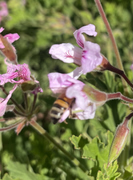
And butterfly garden:

Hot weather here in So Cal! Near 90 degrees for the past few days. Praying for more rain before our rain season is over (end of March).
Plants are starting to bloom with the hot weather.
I've always liked geraniums b/c in our climate they bloom all year, non stop and come in a huge variety of colors:
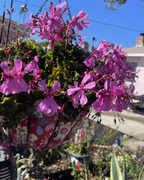

Beautiful Lewisia don't seem to mind the heat:


And, I am hoping the squirrels will leave me a few of these:

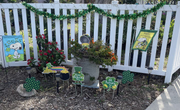
Happy St. Patrick's Day!:
And, finally, my helper:

Happy March Gardening!
That’s AWESOME.
I might break my “No Boston Rule” and check it out.
Not right now though, as it’s covered with four feet of snow.
Grandmas! The best people in the whole world!
My father’s mother died before I was born, so I never knew her, though I heard she was a wonderful woman, and would’ve been like your Grandma Edith. His father remarried late in life, but that woman never had any children, so she never gave off the mothering vibe in any fashion.
My mom’s Mama was a (legal) immigrant from Czechoslovakia, and naturalized as soon as she could. She worked in homes as a caregiver/nanny for children when she was young. The family homestead was like a miniature farm. There were maybe an acre or two of property to work with. They had chickens, a donkey, a cow, and a vegetable garden. The cow was for milk. I don’t remember much about the donkey. Maybe they got rid of him in later years?
Grandma was the best! She was my favorite person in the whole world, and when she died, I took it REALLY hard (I was nine). She cooked and baked everything so well, and made every person feel very special and loved. Miss her like crazy, too!
First plantings happening on the 10th.
This is the weekend I traditionally start my peppers, so I’m digging out the seeds. Will post later to see who made the cut. Just doing enough for Salsa later in the summer; not wasting an entire BED on them this season - I’ve learned my lesson.
For me, they love it hot and dry - and I can’t always give them that. I always grow Jalapenos in pots and that always works well for me. Just the ‘Bonnie’ brand of Jalapeno I pick up at Walmart. ;)
Thanks, Bon! It’s always nice to see your garden! :)
Last but not least, your helpers. :)
Disclaimer: Opinions posted on Free Republic are those of the individual posters and do not necessarily represent the opinion of Free Republic or its management. All materials posted herein are protected by copyright law and the exemption for fair use of copyrighted works.