To: SunkenCiv
...the basalt tablet features just 39 different characters in 60 inscriptions written left to right across seven lines....
If it’s an unknown language, how do they know which direction it’s supposed to be read? They could have it UPSIDE DOWN!...........
4 posted on
12/17/2024 12:30:31 PM PST by
Red Badger
(Homeless veterans camp in the streets while illegals are put up in 5 Star hotels....................)
To: Red Badger
I was wondering the same thing.
Also, that does not look like basalt. Our area in North Idaho and northeastern Washington is covered in a mile-thick layer of basalt. It’s a hard, dark gray-black igneous rock. It is extremely hard, too.
8 posted on
12/17/2024 12:38:26 PM PST by
ProtectOurFreedom
(There are two ways to live your life: nothing is a miracle or everything is a miracle - A. Einstein)
To: Red Badger
It says “Thorson was here”.
25 posted on
12/17/2024 1:15:13 PM PST by
Salamander
(Please visit my profile page to help me go home again . Nope. https://www.givesendgo.com/GCRRD)
To: Red Badger
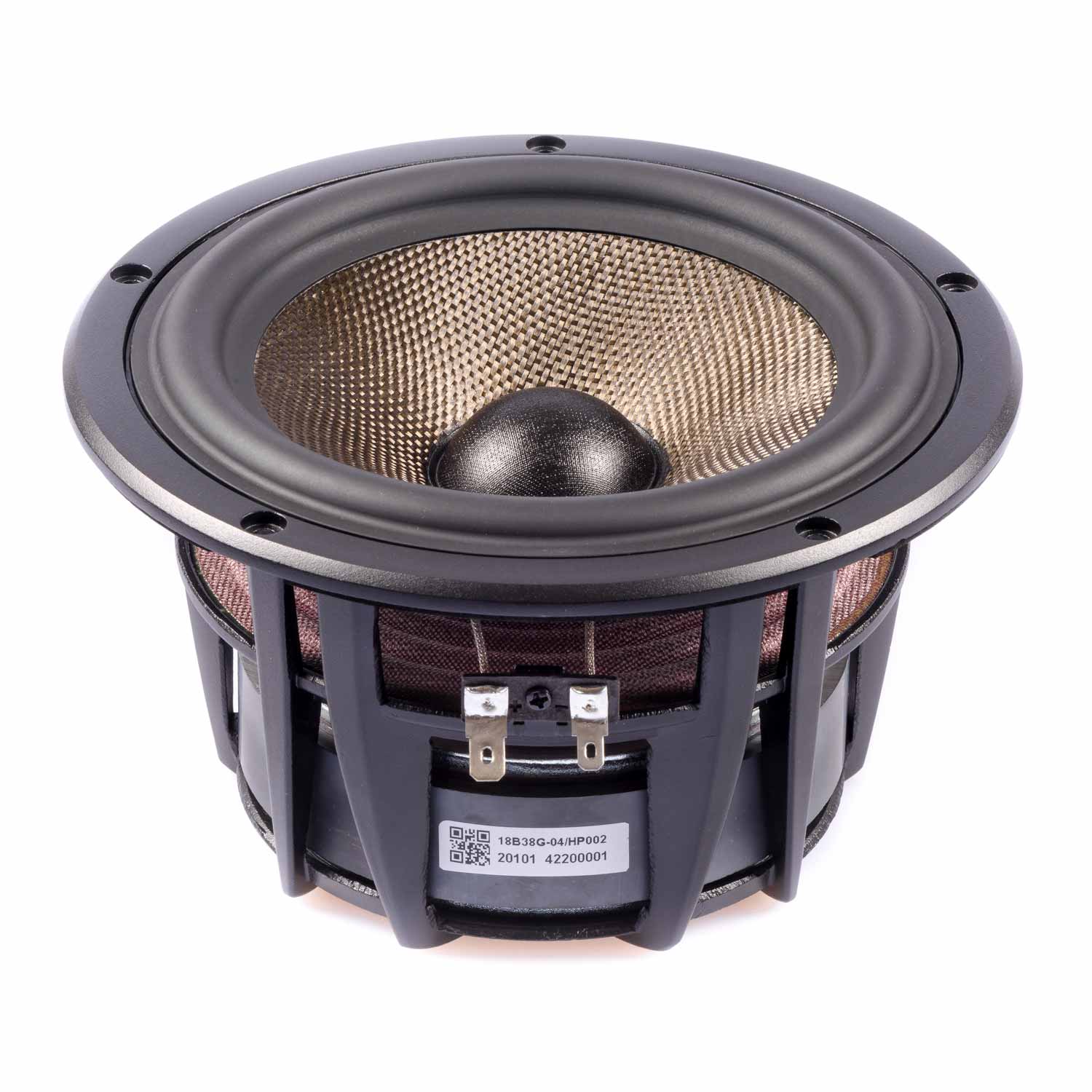
...the basalt tablet I recently purchased new French-designed loudspeakers - very high tech studio monitor level with an "ESL-like" clarity/transparency & resolution.
The mid-bass driver uses a 3-layer sandwich - the top/outer layer is made from basalt lava stone.
The website description:
The first-ever in High-End BSC (Basalt Sandwich Construction) 7” woofer is the best balance found between rigidity and light-weight, with its great damping construction providing fast and smooth responses with tight bass dynamics.
35 posted on
12/17/2024 1:30:49 PM PST by
newfreep
("There is no race problem...just a problem race")
To: Red Badger
Dunno about the direction, but these basalt tablets are way more commonplace than bapepper tablets.
39 posted on
12/17/2024 1:49:00 PM PST by
SunkenCiv
(Politics do not make strange bedfellows, and the enemy of your enemy may still be your enemy.)
To: Red Badger; SunkenCiv; ConservativeMind; Tilted Irish Kilt
They could have it upside down.
Looking at the large spiral figure at the “bottom”, it occurs to me that this could be a naming symbol, like a crest or corporate symbol at the top of a letterhead.
.
The history of Colchis is interesting. It was an important source of saffron, which in addition to being used to make rice golden, was important for medical uses. It is still being offered as a valuable dietary supplement. The Argonaut’s search for the Golden Fleece may in fact have been referring to the Search and trade in saffron. The drug Colchisine is derived from that. Saffron can still be bought from some supplement companies for health promoting purposes. I plan to get some for myself. I saw some “paintings” from the ruined cities of Thera which were destroyed by the huge volcanic eruption around 1500 BC. THey showed women/goddesses dancing and holding the saffron crocuses.
45 posted on
12/17/2024 5:01:01 PM PST by
gleeaikin
(in Question authority as you provide links)
FreeRepublic.com is powered by software copyright 2000-2008 John Robinson