To: Empire_of_Liberty
"It is the caricature of the human form that you expect from children.
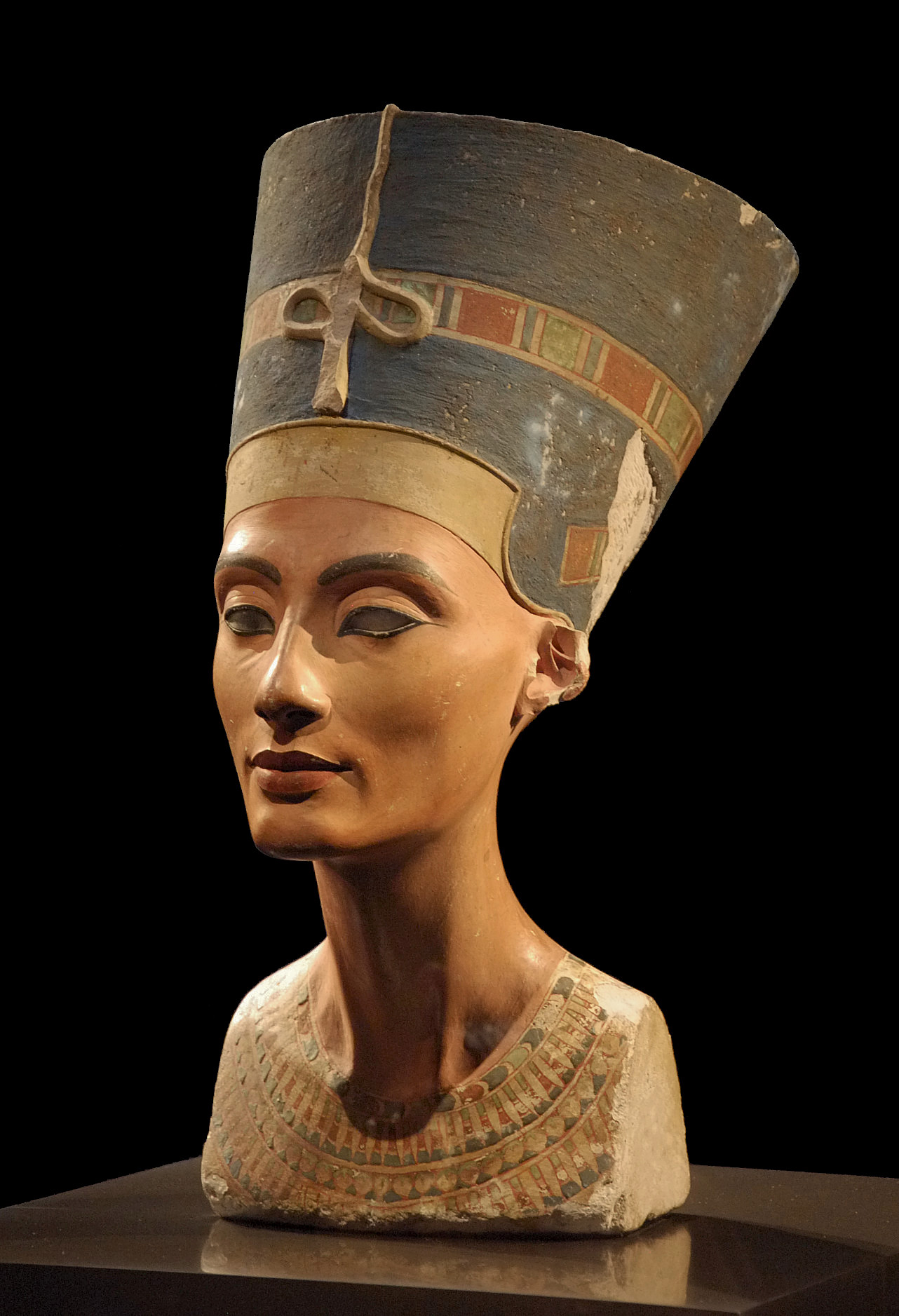
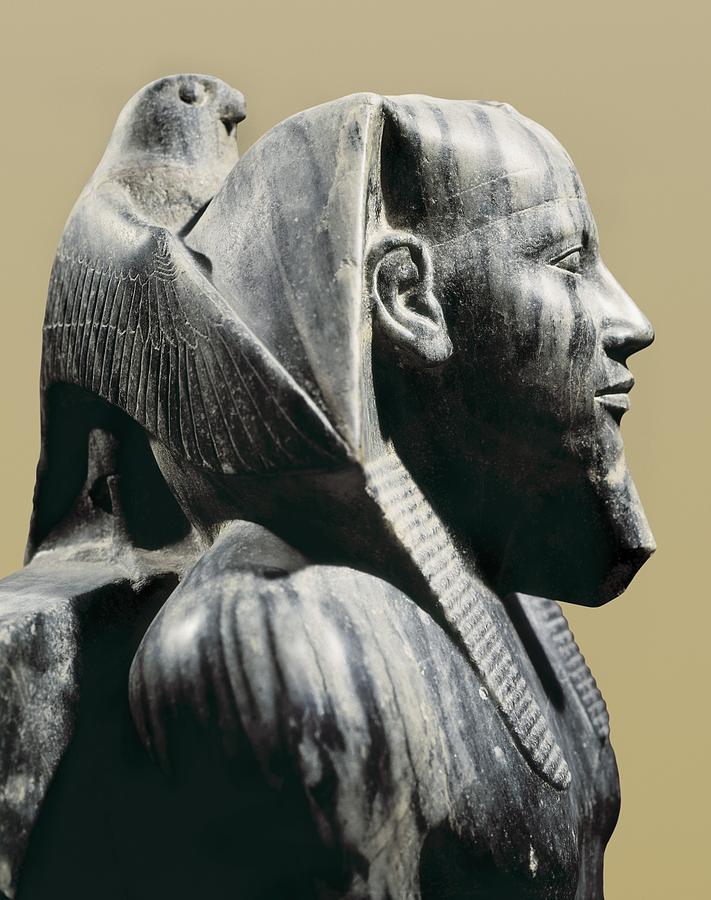
Somehow, this was “enough” for them. It said what they wanted to say, while they built the Pyramids around it. I find it strange. Two thousand years before the Greeks were carving their naturalistic sculptures out of marble (Mohs scale of 3), the Egyptians carved this from gneiss (Mohs scale of 7, the same hardness as granite and steel).

I can't say why Egyptian art seemed to become more stylized over the centuries, but they certainly had the ability to make naturalistic art when the wanted to.
To: Flag_This
Yes. That is very precise realism, and they could, and did, do it.
Perhaps the tomb paintings are simply wall-covering. You carve out a tomb and throw something up so that it is not bare rock. It survives for millennia simply because it’s painted on rock, not because it’s valued art. A statue, such as you show, is also there.
To: Flag_This
Could it be a difference, and missing a trained ability to distiguish how to sqaure the difference, between carving something in three dimensions and making a three dimensional representation in two dimensions - sometimes referred to as being able to draw “perspective” in art. Sculpting and drawing can require different artistic skills not always combined within the same craftsman. Just a guess - regarding the very “flatish” Egytian painted figures of people amid the same society that seemed to have very accurate, sometimes exquisite, life like three dimensional sculptures of the human form. One other explanation would be the painted flat human figures and the very life like three dimensional human sculptures were crafted by peoples of very different time periods.
35 posted on
05/29/2022 8:50:11 AM PDT by
Wuli
To: Flag_This
Another sculpture and possibly the one you depict indicate [erfect bilateral symmetry. That one side of the nose, lips and cheeks is precisely repeated in the other side.
This perfect symmetry can be accomplished by CNC machines but not human hands. And yet....... there it is , over and over.
52 posted on
05/29/2022 11:19:06 AM PDT by
bert
( (KWE. NP. N.C. +12) Promoting Afro Heritage diversity will destroy the democrats)
To: Flag_This
60 posted on
05/29/2022 1:06:34 PM PDT by
Hiddigeigei
("Talk sense to a fool and he calls you foolish," said Dionysus - Euripides)
To: Flag_This
Horus is behind it all..
62 posted on
05/29/2022 1:38:49 PM PDT by
evets
(Thanks)
FreeRepublic.com is powered by software copyright 2000-2008 John Robinson