
Posted on 04/25/2026 10:09:58 AM PDT by CondoleezzaProtege
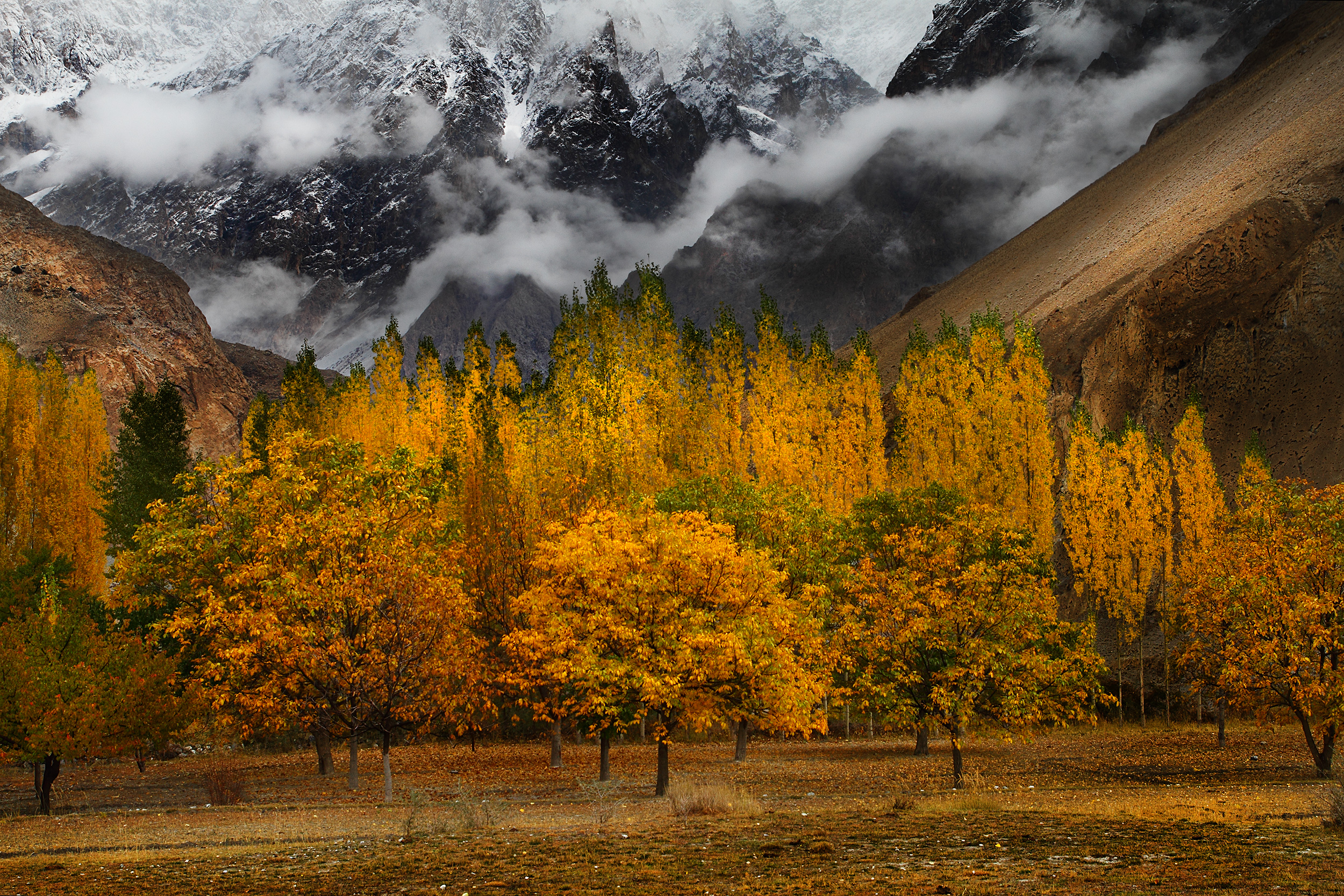
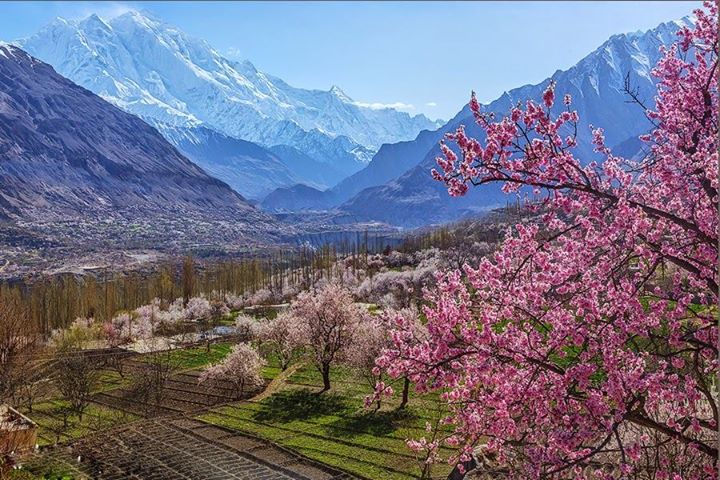
In a little-known mountainous area called Hunza Valley, located far north of Pakistan, people seem to defy all medical odds.
It is primarily home to the Burusho and Wakhi people, who for centuries have survived and thrived in remote villages — with minimal amenities and rudimentary health facilities. Studies have found that the average life expectancy here is around 100 years.
My husband was born and raised here, and is from the Burusho indigenous community. After we got married, I left the U.S. and we settled down in the Central part of the valley.
Here are some intriguing habits that help the people of Hunza live longer:
1. They consume apricot seeds and oil
Studies have shown that apricot seeds can help fight cancer and other sources of inflammation in the body, in part due to a compound called amygdalin.
2. They never stop moving
It’s very common to see folks in their 80s outside, even in the winter. Elderly family members still graze their cows and sheep, collect wood, and do other household tasks.
3. They drink glacier water
A shiny, dark-grey liquid, “Hunza water” has long held the interest of scientists. Unlike other water sources, this glacial water is naturally filtered by layers of ice and rock and contains precious minerals.
4. They rarely eat processed foods
Almost every piece of meat eaten in Hunza comes from a locally sourced animal that’s been recently killed...Spinach is especially popular, and other favorites like tomatoes and potatoes are grown locally and organically.
5. They have strong community values
The people of Hunza take care of each other, especially the older members of the community...Retirement homes don’t exist here.

(Excerpt) Read more at cnbc.com ...
Did I hear Shangri-La ?
As I remember that movie (Lost Horizons), Shangri-La wasn’t exactly a paradise.
They forgot laetrile .
The problem with such claims is that these remote places have poor to nonexistent verifiable birth records.
I see apricot seeds is number one in the author's list of reasons. Do you recall "laetrile" back in the early 70s? The laetrile (or amygdalin/"vitamin B17") controversy peaked in popularity in the 1970s and early 1980s.
Apricot kernels (seeds) contain amygdalin, a compound that the body can break down into glucose, benzaldehyde, and hydrogen cyanide (a poison). A semi-synthetic form called laetrile was heavily promoted as an alternative cancer treatment, often framed as a "natural" or "vitamin" cure (though it's not a vitamin). Proponents claimed it selectively killed cancer cells via cyanide release.
Major reviews and trials, including a key 1982 study by the National Cancer Institute, showed:
Animal studies were mostly negative. The FDA banned its interstate sale in the US, and it's prohibited or restricted in many countries. It's still sold online in some places but classified as ineffective and potentially harmful by major cancer organizations.
Anecdotes, conspiracy narratives ("Big Pharma suppression"), and social media keep the idea alive. Eating apricot kernels for "prevention" or treatment is risky—dosages can easily lead to dangerous cyanide levels. This was a prominent example of an alternative cancer treatment that didn't hold up under rigorous testing.
And they eat Yogurt!! Don’t forget that part of the hoax.
And the key to a long life is low stress and apricot oil? Would seem so...
Maybe it’s just the apricot fruit that’s doing the preventing.
I’ll go with no processed foods, constant movement and generational family values.
Always being in contact with family is probably the most important thing here. If your kids are always checking in (or if you live with them) they will see issues and get you attention early. This means people can stay active, longer. Staying active is critical to staying alive.
The rest is probably just good common sense, “Don’t eat and drink crap”.
Pokistan!
Yak milk yogurt. The Hunza Valley, along with Okinawa, Japan are considered to be the centers of longevity. The staple foods for the latter are different...sea sourced Omega 3, fermented soy, etc...
They also have very narrow genetic pools. But those do sound like very healthy habits.
Maybe living in Pockeestan just makes it seem like they’ve lived for 100 years when they’re only 37.

1800’s US; walk through a cemetery and see the 50 year olds buried there. Somehow must be a favored environment there in that valley, maybe just the glacier water.
Mineral rich mountain water is also a likely reason for longevity. In contrast, in the developed world, magnesium deficiency is common and consequential but hard to detect.
Doctor Leonard McCoy
Chief Medical Officer of the Starship Enterprise
Episode - The Omega Glory
The one thing the ‘live the longest’ type places have in common is poor record keeping and a fairly corrupt population that knows they can retire early if their real age is different than the one the government has for them. In short - it’s not the enviroment it’s the corruption and lying,.
Disclaimer: Opinions posted on Free Republic are those of the individual posters and do not necessarily represent the opinion of Free Republic or its management. All materials posted herein are protected by copyright law and the exemption for fair use of copyrighted works.