
Posted on 09/19/2026 10:33:05 PM PDT by fidelis
Twenty-fifth Sunday in Ordinary Time
Jesus told his disciples this parable: “The kingdom of heaven is like a landowner who went out at dawn to hire laborers for his vineyard. After agreeing with them for the usual daily wage, he sent them into his vineyard. Matthew 20:1–2
As the parable unfolds, the landowner returns to the marketplace four more times—at nine o’clock, noon, three, and finally at five—to hire additional workers. When the day’s labor concluded at six o’clock, each received the same full daily wage. Was this fair? To those who had worked the entire day, it certainly did not seem so. They grumbled, “These last ones worked only one hour, and you have made them equal to us, who bore the day’s burden and the heat” (Matthew 20:12).
God is perfectly just. Yet His justice is never separated from His mercy. Together they form a harmony we may call Divine Equity, a principle that transcends limited human notions of fairness. God gives not merely according to labor performed but according to the wisdom of His eternal love and providence. What appears to us as inequality is, in truth, the generous outpouring of grace from the One who sees hearts, not hours. His ways are not our ways, and His judgments surpass the grasp of reason unaided by faith (cf. Isaiah 55:8–9).
At the heart of this parable is God’s abundant generosity. To better understand Divine Equity, it is helpful to prayerfully place ourselves among each group of laborers. Among those who have labored in Christ’s vineyard, we may find some who have far surpassed us in devotion and sacrifice, as well as others who arrived much later than we did.
Yet God sees each soul individually. He does not measure us against one another. He sees each worker according to his own disposition, his interior response to His call, and the sincerity of his effort. Grace is distributed not based on external accomplishments alone but on the openness of heart and fidelity to His will.
For example, when we work for God—meaning we live in a state of grace and are faithful to His divine will—we merit spiritual rewards by His generosity. But even the most devout soul can lose everything through mortal sin. If such sin is unrepented, Divine Equity, which always respects both justice and freedom, demands the consequence of eternal separation from God.
Conversely, a soul that lives much of life far from God, mired in sin, yet sincerely repents near the end—perhaps even in the final hour—can receive an abundance of grace. A genuine, humble, and complete conversion at the end of life opens the floodgates of Divine Mercy. In such a case, God’s Divine Equity responds not by withholding grace, but by pouring it out lavishly, in accord with His infinite mercy.
Equity is not equality. In modern discourse, the term “equity” is often misused or distorted. But Divine Equity is something altogether different. It flows from God’s perfect justice and mercy, distributing grace according to the truth of each soul’s interior life—not according to a purely external standard.
Reflect today on your own place among the laborers in the vineyard. Are you tempted to compare your spiritual journey with others? Do you resent the blessings others have received, or do you trust that God sees your heart and will reward you with generosity beyond measure? Rejoice that Divine Equity governs the Kingdom of Heaven; in that justice, perfected by mercy, all things are made right.
My Divine Judge, You rule with perfect equity, justice, and mercy. Your ways are flawless and overflow with generosity. Please govern my soul and judge me according to Your Wisdom, so that I may receive all that You long to bestow. Grant me the grace to remain faithful to the end, persevering and deepening my service to You for the building up of Your glorious Kingdom. Jesus, I trust in You.
Please keep in mind that this is a Catholic Caucus/Devotional thread for the purpose of prayerful reflection on the Sacred Scriptures and is closed to debate of any kind. Per FR policy on Religion Caucus threads, off-topic, argumentative, and abusive comments are not allowed and will be submitted to the Mods for deletion. Thanks, and God bless you.
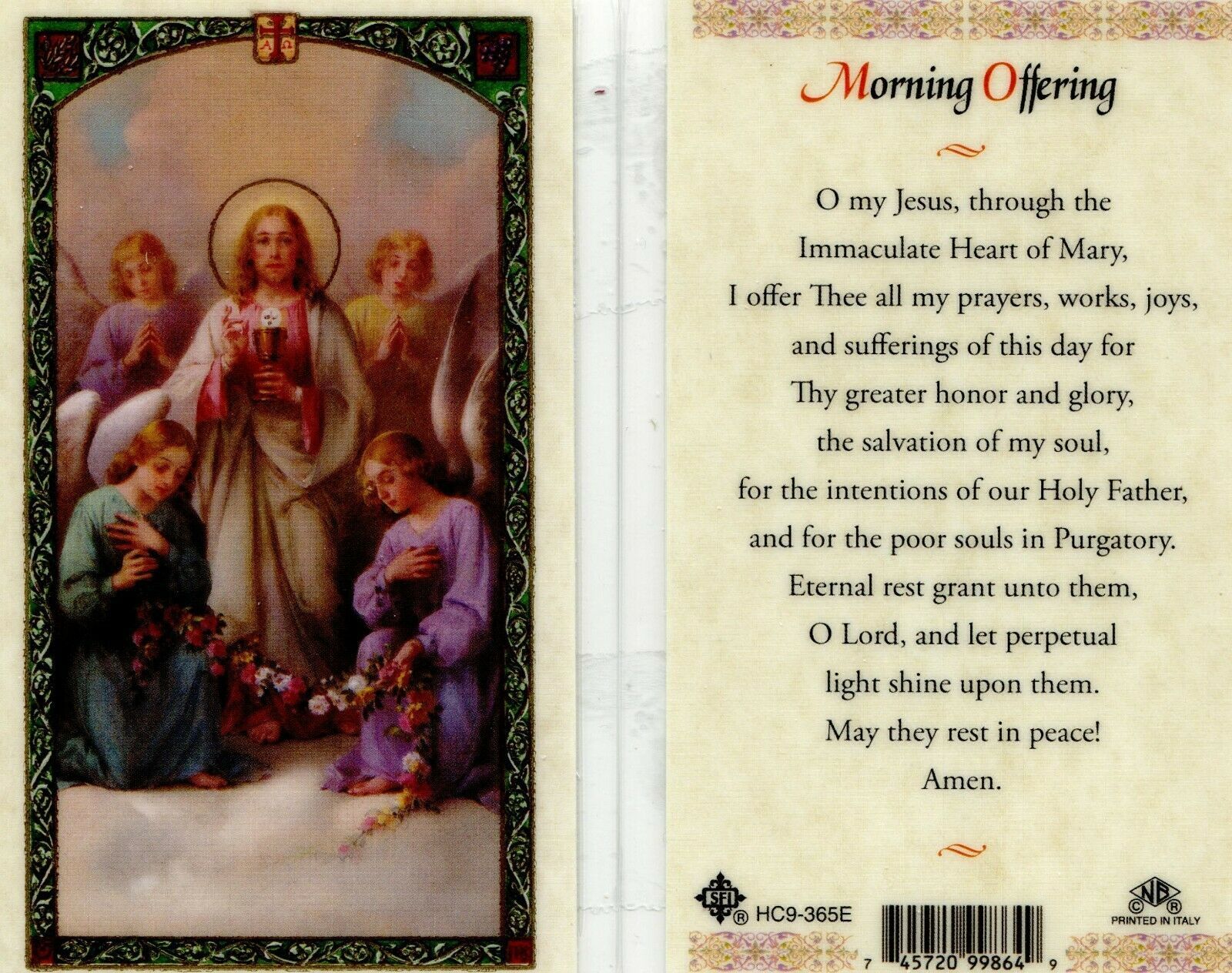
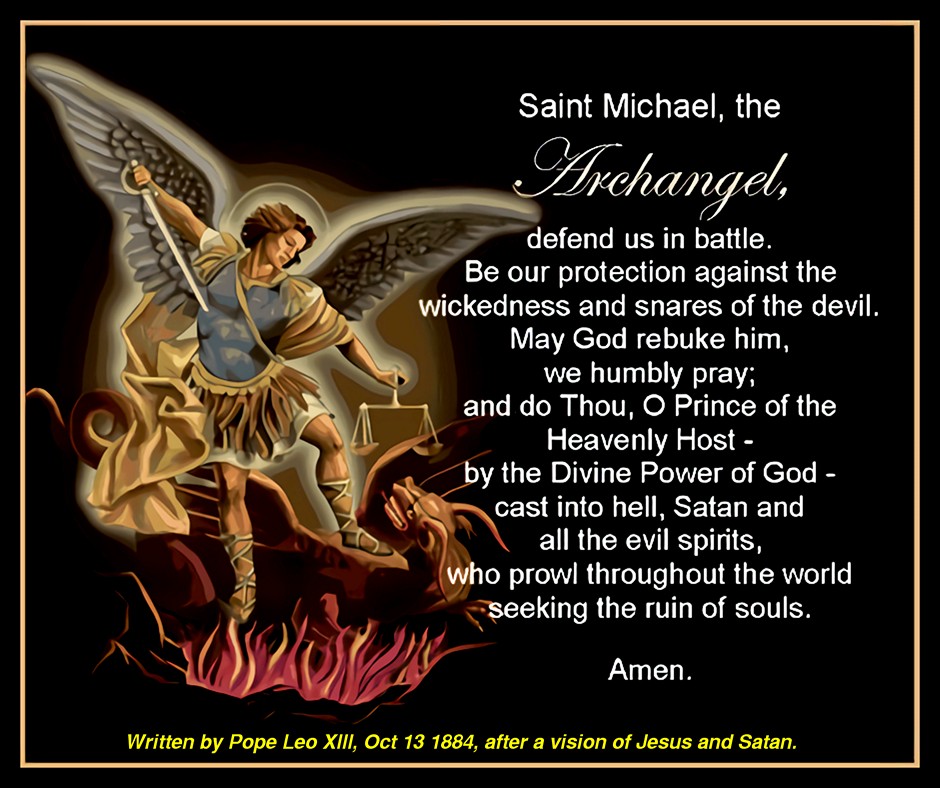
The Month of September is Dedicated to Our Lady of Sorrows

“And his father and his mother marveled at what was said about him; and Simeon blessed them and said to Mary his mother, ‘Behold, this child is set for the fall and rising of many in Israel, and for a sign that is spoken against (and a sword will pierce through your own soul also), that thoughts out of many hearts may be revealed.’” (Luke 2:33-35)

Pope Leo XIV’s prayer intention for the month of September, 2026:
For the care of water
Let us pray for a just and sustainable management of water, a vital resource, so that everyone may have equal access to it.

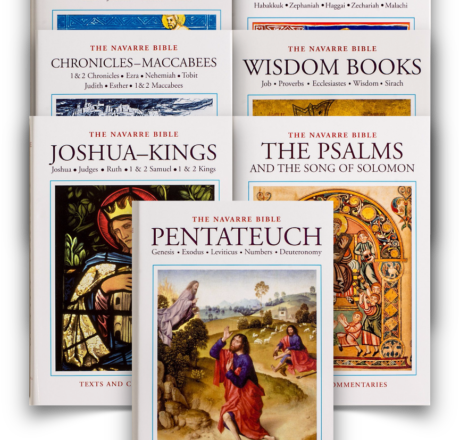
Today’s First Reading
From: Isaiah 55:1-9
Epilogue: Invitation to Partake of the Banquet of the Lord's Covenant
--------------------------------------------------------------------------------------
[6] “Seek the Lord while he may be found,
call upon him while he is near;
[7] let the wicked forsake his way,
and the unrighteous man his thoughts;
let him return to the Lord, that he may have mercy on him,
and to our God, for he will abundantly pardon.
[8] for my thoughts are not your thoughts,
neither are your ways my ways, says the Lord.
[9] For as the heavens are higher than the earth,
so are my ways higher than your ways
and my thoughts than your thoughts.
**********************************************
Commentary:
55:6-9. The Israelites are called to conversion. In order to return to their homeland, they must return to God, must “seek” him (vv. 6-7). And the Lord, who allows himself to be found and who does not judge in the way that men do, is willing and able to grant forgiveness (vv. 8-9). In other words, the call to repentance is grounded on the goodness of God who “will abundantly pardon” (v. 7). Man, for his part, should grasp this opportunity that God offers him. So, the words in this passage are a constant encouragement to begin and begin again in the pursuit of virtue: “To be converted means to ask for forgiveness and to seek out the strength of God in the Sacrament of reconciliation, and thus begin again, advancing step by step every day, learning to overcome ourselves, to win the spiritual battles that we face, and to give of ourselves joyfully, ‘for God loves a cheerful giver’ (2 Cor 9:7)” (St. Pope John Paul II, “Novo incipiente”, 8 April 1979). And St Augustine, apropos of conversion, wrote: “Do not say: ‘Tomorrow, I will he converted; tomorrow, I will give thanks to God; and all my sins, todays and yesterday’s, will be forgiven’. It is true that God promises forgiveness for your conversion; but He does not promise tomorrow for your delays” (“Enarrationes in Psalmos”, 144, 11).
The words of v. 8 are echoed by St Paul in Romans 11:33, and are a reminder to us of just how narrow-minded we can be and how we can fail even to imagine the great things that God has in store for us.
From: Philippians 1:20c-24, 27a
St. Paul's Own Circumstances
------------------------------------
[20c] Christ will be honored in my body, whether by life or by death. [21] For to me to live is Christ, and to die is gain. [22] If it is to be life in the flesh, that means fruitful labor for me. Yet which I shall choose I cannot tell. [23] I am hard pressed between the two. My desire is to depart and be with Christ, for that is far better. [24] But to remain in the flesh is more necessary on your account.
Fight for the Faith
-------------------------
[27a] Only let your manner of life be worthy of the gospel of Christ.
***********************************************************************
Commentary:
20. "Christ will be honored in my body": whether he lives (because that will allow him to keep up his apostolic work) or whether he has to face martyrdom: in either case he is able to bear witness to Christ.
Every Christian is linked to Christ through Baptism (cf. Rom 6:5) and this union is strengthened by the Eucharist (cf. 1 Cor 10:16-17). A believer, therefore, should aspire to identify with Jesus to such an extent that he can say with the Apostle, "it is no longer I who live, but Christ who lives in me" (Gal 2:20). Everything anyone has is a gift from God; and a Christian's life in the body, with any suffering he experiences, and even death, identifies him in some way with Christ's own life: this identification is the goal of every Christian.
21-26. St Paul expresses a desire to "depart" and be with Christ: the Greek verb he uses has the sense of casting off (like a boat before it leaves harbor) or upping stakes (like an army decamping): he sees death as a liberation from earthly ties, which allows him immediately to "be with Christ". These words indicate that those who die in grace do not have to wait until the Last Judgment to enjoy God in heaven. This was the teaching of the Church, based on Sacred Scripture, at the Second Council of Lyons: "the souls of those who after holy Baptism have acquired no stain of sin at all, and those who having incurred the stain of sin are cleansed...are received immediately into heaven" ("Profession of Faith of Michael Paleologue").
The Apostle is in two minds. But his desire to be with Christ does not inhibit his generous work for the good of souls: he wants to stay in the world, in order to continue working for the conversion of the Gentiles and to look after the Christian communities which he has founded, which are going from strength to strength.
In spite of his uncertainty about his future, St Paul is inclined to think that he will be allowed to continue his work to the spiritual advantage of the Philippians and the other churches.
21. Death is "gain", because, for a person who dies in the grace of God, it means entering into the joy of the Lord, seeing him face to face (cf. 1 Cor 13:12) and enjoying "what no eye has seen, nor ear heard, nor the heart of man conceived, what God has prepared for those who love him" (1 Cor 2 9). This desire to enjoy God in heaven caused St Teresa of Avila to say: "I am living and yet I am not really living, for I place my hopes on such a higher life that I am dying because I do not die" ("Poems", 2).
"Christ himself, our teacher of salvation, shows us how useful it is to leave this life; when his disciples became sad because he told them that he was going away, he said to them, 'If you loved me, you would have rejoiced, because I go to the Father' (Jn 14:28), thereby teaching them that, when those we love leave this world, we should rejoice rather than be sad" (St Cyprian, "De Mortalitate", 7). Faith shows us that death is the definitive step into eternal life. However, to have a well-grounded hope of attaining that goal we need to remember that for us "to live is Christ" here on earth also. For one thing, supernatural life is the life of grace, and this has been won for us by Christ; also, knowing and loving Christ should be our life-purpose. A Christian has to try to see that his life is fruitful in terms of holiness, and that he uses all ordinary events and all his activities to draw others towards Christ.
"So, if you have encountered Christ," John Paul II exhorts, "live for Christ, live with Christ, and bear witness to him; proclaim this in the first-person singular: 'For me to live is Christ.' That is what true liberation also consists of--proclaiming Jesus Christ freed from attachments and present in men who are transformed and become a new creation" (“Homily”, Santo Domingo Cathedral, October 1984).
27. The Greek term translated here as "let your manner of life be" has a more specific meaning--"Live like good citizens." The inhabitants of Philippi enjoyed Roman citizenship and were very proud of this (cf. p. 101 above). However, in addition to whichever positions they have in society, Christians are citizens of heaven (cf. Phil 3:20), and therefore they should lead a life "worthy of the gospel of Christ", like good citizens of the Kingdom of God, where Christ reigns as king (cf. Jn 18:37), by loyally obeying his laws--the new law of grace contained in the Gospel.
However, being a citizen of heaven is quite compatible with being a citizen of human society: "to acknowledge God is in no way to oppose the dignity of man, since such dignity is grounded and brought to perfection in God. Man has in fact been placed in society by God, who created him as an intelligent and free being; but over and above this he is called as a son to intimacy with God and to share in his happiness. (The Church) further teaches that hope in a life to come does not take away from the importance of the duties of this life on earth but rather adds to it by giving new motives for fulfilling those duties" (Vatican II, "Gaudium Et Spes", 21).
A truly Christian life in the middle of the world speaks to all, Christians or no, of the presence of God and of his plans for the salvation of all mankind. Moreover, "what does much to show God's presence clearly is the brotherly love of the faithful who, being all of one mind and spirit work together for the faith of the Gospel (cf. Phil 1:18) and stand out as a sign of unity" ("ibid".). This is essential to the effort to spread the Kingdom of God, for "every kingdom divided against itself is laid waste" (Lk 11:17). The early Christians really did put this teaching into practice: they were "of one heart and soul" (Acts 4:32).
From: Matthew 20:1-16
The Parable of the Laborers in the Vineyard
-------------------------------------------------------
[1] "For the Kingdom of Heaven is like a householder who went out early in the morning to hire laborers for his vineyard. [2] After agreeing with the laborers for a denarius a day, he sent them into his vineyard. [3] And going out about the third hour he saw others standing idle in the market place; [4] and to them he said, `You go into the vineyard too, and whatever is right I will give you.' So they went. [5] Going out again about the sixth hour and the ninth hour, he did the same. [6] And about the eleventh hour he went out and found others standing; and he said to them, `Why do you stand here idle all day?' [7] They said to him, `Because no one has hired us.' He said to them, `You go into the vineyard too.' [8] And when evening came, the owner of the vineyard said to his steward, `Call the laborers and pay them their wages, beginning with the last, up to the first.' [9] And when those hired about the eleventh hour came, each of them received a denarius. [10] Now when the first came, they thought they would receive more; but each of them also received a denarius. [11] And on receiving it they grumbled at the householder, [12] saying, `These last worked only one hour, and you have made them equal to us who have borne the burden of the day and the scorching heat.' [13] But he replied to one of them, `Friend, I am doing you no wrong; did you not agree with me for a denarius? [14] Take what belongs to you, and go; I choose to give to this last as I give to you. [15] Am I not allowed to do what I choose with what belongs to me? Or do you begrudge my generosity? [16] So the last will be first, and the first last."
***********************************************************************
Commentary:
1-16. This parable is addressed to the Jewish people, whom God called at an early hour, centuries ago. Now the Gentiles are also being called--with an equal right to form part of the new people of God, the Church. In both cases it is a matter of a gratuitous, unmerited, invitation; therefore, those who were the "first" to receive the call have no grounds for complaining when God calls the "last" and gives them the same reward--membership of His people. At first sight the laborers of the first hour seem to have a genuine grievance—because they do not realize that to have a job in the Lord's vineyard is a divine gift. Jesus leaves us in no doubt that although He calls us to follow different ways, all receive the same reward--Heaven.
2. "Denarius": a silver coin bearing an image of Caesar Augustus (Matthew 22:19-21).
3. The Jewish method of calculating time was different from ours. They divided the whole day into eight parts, four-night parts (called "watches") and four-day parts (called "hours")—the first, third, sixth and ninth hour.
The first hour began at sunrise and ended around nine o'clock; the third ran to twelve noon; the sixth to three in the afternoon; and the ninth from three to sunset. This meant that the first and ninth hours varied in length, decreasing in autumn and winter and increasing in spring and summer and the reverse happening with the first and fourth watches.
Sometimes intermediate hours were counted--as for example in verse 6 which refers to the eleventh hour, the short period just before sunset, the end of the working day.
16. The Vulgate, other translations and a good many Greek codices add: "For many are called, but few are chosen" (cf. Matthew 22:14).
Thank you for posting this
You’re very welcome. Have a blessed Lord’s Day.
Disclaimer: Opinions posted on Free Republic are those of the individual posters and do not necessarily represent the opinion of Free Republic or its management. All materials posted herein are protected by copyright law and the exemption for fair use of copyrighted works.


