Posted on 02/14/2026 5:24:08 PM PST by annalex
Saints Cyril, monk, and Methodius, Bishop on Saturday of week 5 in Ordinary Time Church of Saint Valentine in Woźniki Śląskie, Poland Readings at MassLiturgical Colour: White. Year: A(II). These are the readings for the feria
The prophecy of the separation of IsraelJeroboam thought to himself, ‘As things are, the kingdom will revert to the House of David. If this people continues to go up to the Temple of the Lord in Jerusalem to offer sacrifices, the people’s heart will turn back again to their lord, Rehoboam king of Judah, and they will put me to death.’ So the king thought this over and then made two golden calves; he said to the people, ‘You have been going up to Jerusalem long enough. Here are your gods, Israel; these brought you up out of the land of Egypt!’ He set up one in Bethel and the people went in procession all the way to Dan in front of the other. He set up the temple of the high places and appointed priests from ordinary families, who were not of the sons of Levi. Jeroboam also instituted a feast in the eighth month, on the fifteenth of the month, like the feast that was kept in Judah, and he went up to the altar. That was how he behaved in Bethel, sacrificing to the calves he had made; and at Bethel he put the priests of the high places he had established. Jeroboam did not give up his wicked ways but went on appointing priests for the high places from the common people. He consecrated as priests of the high places any who wished to be. Such conduct made the House of Jeroboam a sinful House, and caused its ruin and extinction from the face of the earth.
O Lord, remember me out of the love you have for your people. Our sin is the sin of our fathers; we have done wrong, our deeds have been evil. Our fathers when they were in Egypt paid no heed to your wonderful deeds. O Lord, remember me out of the love you have for your people. They fashioned a calf at Horeb and worshipped an image of metal, exchanging the God who was their glory for the image of a bull that eats grass. O Lord, remember me out of the love you have for your people. They forgot the God who was their saviour, who had done such great things in Egypt, such portents in the land of Ham, such marvels at the Red Sea. O Lord, remember me out of the love you have for your people.
Alleluia, alleluia! Man does not live on bread alone, but on every word that comes from the mouth of God. Alleluia!
The feeding of the four thousandA great crowd had gathered, and they had nothing to eat. So Jesus called his disciples to him and said to them, ‘I feel sorry for all these people; they have been with me for three days now and have nothing to eat. If I send them off home hungry they will collapse on the way; some have come a great distance.’ His disciples replied, ‘Where could anyone get bread to feed these people in a deserted place like this?’ He asked them, ‘How many loaves have you?’ ‘Seven’ they said. Then he instructed the crowd to sit down on the ground, and he took the seven loaves, and after giving thanks he broke them and handed them to his disciples to distribute; and they distributed them among the crowd. They had a few small fish as well, and over these he said a blessing and ordered them to be distributed also. They ate as much as they wanted, and they collected seven basketfuls of the scraps left over. Now there had been about four thousand people. He sent them away and immediately, getting into the boat with his disciples, went to the region of Dalmanutha. These are the readings for the memorial
Since you have rejected the word of God, we must turn to the pagansPaul and Barnabas spoke out boldly. ‘We had to proclaim the word of God to you first, but since you have rejected it, since you do not think yourselves worthy of eternal life, we must turn to the pagans. For this is what the Lord commanded us to do when he said: I have made you a light for the nations, so that my salvation may reach the ends of the earth.’ It made the pagans very happy to hear this and they thanked the Lord for his message; all who were destined for eternal life became believers. Thus the word of the Lord spread through the whole countryside.
Go out to the whole world and proclaim the Good News. O praise the Lord, all you nations, acclaim him all you peoples! Go out to the whole world and proclaim the Good News. Strong is his love for us; he is faithful for ever. Go out to the whole world and proclaim the Good News.
Alleluia, alleluia! The Lord has sent me to bring the good news to the poor, to proclaim liberty to captives. Alleluia!
Your peace will rest on that manThe Lord appointed seventy-two others and sent them out ahead of him, in pairs, to all the towns and places he himself was to visit. He said to them, ‘The harvest is rich but the labourers are few, so ask the Lord of the harvest to send labourers to his harvest. Start off now, but remember, I am sending you out like lambs among wolves. Carry no purse, no haversack, no sandals. Salute no one on the road. Whatever house you go into, let your first words be, “Peace to this house!” And if a man of peace lives there, your peace will go and rest on him; if not, it will come back to you. Stay in the same house, taking what food and drink they have to offer, for the labourer deserves his wages; do not move from house to house. Whenever you go into a town where they make you welcome, eat what is set before you. Cure those in it who are sick, and say, “The kingdom of God is very near to you.”’
You can also view this page with the New Testament in Greek and English. Universalis podcast: The week ahead – from 15 to 21 FebruaryThe Vietnamese New Year and its lessons for us. Ash Wednesday. Prayer, almsgiving and fasting – and agency. (24 minutes) Christian Art![]() Each day, The Christian Art website gives a picture and reflection on the Gospel of the day. The readings on this page are from the Jerusalem Bible, which is used at Mass in most of the English-speaking world. The New American Bible readings, which are used at Mass in the United States, are available in the Universalis apps, programs and downloads. |
KEYWORDS: catholic; lk19; mk8; ordinarytime; prayer;

Please FReepmail me to get on/off the Alleluia Ping List.
| Mark | |||
| English: Douay-Rheims | Latin: Vulgata Clementina | Greek NT: Byzantine/Majority Text (2000) | |
| Mark 8 | |||
| 1. | IN those days again, when there was a great multitude, and had nothing to eat; calling his disciples together, he saith to them: | In diebus illis iterum cum turba multa esset, nec haberent quod manducarent, convocatis discipulis, ait illis : | εν εκειναις ταις ημεραις παμπολλου οχλου οντος και μη εχοντων τι φαγωσιν προσκαλεσαμενος ο ιησους τους μαθητας αυτου λεγει αυτοις |
| 2. | I have compassion on the multitude, for behold they have now been with me three days, and have nothing to eat. | Misereor super turbam : quia ecce jam triduo sustinent me, nec habent quod manducent : | σπλαγχνιζομαι επι τον οχλον οτι ηδη ημεραι τρεις προσμενουσιν μοι και ουκ εχουσιν τι φαγωσιν |
| 3. | And if I shall send them away fasting to their home, they will faint in the way; for some of them came from afar off. | et si dimisero eos jejunos in domum suam, deficient in via : quidam enim ex eis de longe venerunt. | και εαν απολυσω αυτους νηστεις εις οικον αυτων εκλυθησονται εν τη οδω τινες γαρ αυτων μακροθεν ηκουσιν |
| 4. | And his disciples answered him: From whence can any one fill them here with bread in the wilderness? | Et responderunt ei discipuli sui : Unde illos quis poterit saturare panibus in solitudine ? | και απεκριθησαν αυτω οι μαθηται αυτου ποθεν τουτους δυνησεται τις ωδε χορτασαι αρτων επ ερημιας |
| 5. | And he asked them: How many loaves have ye? Who said: Seven. | Et interrogavit eos : Quot panes habetis ? Qui dixerunt : Septem. | και επηρωτα αυτους ποσους εχετε αρτους οι δε ειπον επτα |
| 6. | And taking the seven loaves, giving thanks, he broke, and gave to his disciples for to set before them; and they set them before the people. | Et præcepit turbæ discumbere super terram. Et accipiens septem panes, gratias agens fregit, et dabat discipulis suis ut apponerent, et apposuerunt turbæ. | και παρηγγειλεν τω οχλω αναπεσειν επι της γης και λαβων τους επτα αρτους ευχαριστησας εκλασεν και εδιδου τοις μαθηταις αυτου ινα παραθωσιν και παρεθηκαν τω οχλω |
| 7. | And they had a few little fishes; and he blessed them, and commanded them to be set before them. | Et habebant pisciculos paucos : et ipsos benedixit, et jussit apponi. | και ειχον ιχθυδια ολιγα και ευλογησας ειπεν παραθειναι και αυτα |
| 8. | And they did eat and were filled; and they took up that which was left of the fragments, seven baskets. | Et manducaverunt, et saturati sunt, et sustulerunt quod superaverat de fragmentis, septem sportas. | εφαγον δε και εχορτασθησαν και ηραν περισσευματα κλασματων επτα σπυριδας |
| 9. | And they that had eaten were about four thousand; and he sent them away. | Erant autem qui manducaverunt, quasi quatuor millia : et dimisit eos. | ησαν δε οι φαγοντες ως τετρακισχιλιοι και απελυσεν αυτους |
| 10. | And immediately going up into a ship with his disciples, he came into the parts of Dalmanutha. | Et statim ascendens navim cum discipulis suis, venit in partes Dalmanutha. | και ευθεως εμβας εις το πλοιον μετα των μαθητων αυτου ηλθεν εις τα μερη δαλμανουθα |

8:1–9
1. In those days the multitude being very great, and having nothing to eat, Jesus called his disciples unto him, and saith unto them,
2. I have compassion on the multitude, because they have now been with me three days, and have nothing to eat:
3. And if I send them away fasting to their own houses, they will faint by the way: for divers of them came from far.
4. And his disciples answered him, From whence can a man satisfy these men with bread here in the wilderness.
5. And he asked them, How many loaves have ye? And they said, Seven.
6. And he commanded the people to sit down on the ground: and he took the seven loaves, and gave thanks, and brake, and gave to his disciples to set before them; and they did set them before the people.
7. And they had a few small fishes: and he blessed, and commanded to set them also before them.
8. So they did eat, and were filled: and they took up of the broken meat that was left seven baskets.
9. And they that had eaten were about four thousand: and he sent them away.
THEOPHYLACT. After the Lord had performed the former miracle concerning the multiplication of the loaves, now again, a fitting occasion presents itself, and He takes the opportunity of working a similar miracle; wherefore it is said, In those days, the multitude being very great, and having nothing to eat, Jesus called his disciples unto him, and, saith unto them, I have compassion on the multitude, because they have now been with me three days, and have nothing to eat. For He did not always work miracles concerning the feeding of the multitude, lest they should follow Him for the sake of food; now therefore He would not have performed this miracle, if He had not seen that the multitude was in danger. Wherefore it goes on: And if I send them away fasting to their own houses, they will faint by the way: for divers of them came from far.
BEDE. (in Marc. 2, 32) Why they who came from afar hold out for three days, Matthew says more fully: And he went up into a mountain, and sat down there, and great multitudes came unto him, having with them many sick persons, and cast them down at Jesus feet, and he healed them. (v. Matt. 15:29)
THEOPHYLACT. The disciples did not yet understand, nor did they believe in His virtue, notwithstanding former miracles; wherefore it continues, And his disciples said unto him, From whence can a man satisfy these men with bread here in the wilderness? But the Lord Himself does not blame them, teaching us that we should not be grievously angry with ignorant men and those who do not understand, but bear with their ignorance. After this it continues, And he asked them, How many loaves have ye? and they answered, Seven.
REMIGIUS. Ignorance was not His reason for asking them, but that from their answering seven, the miracle might be noised abroad, and become more known in proportion to the smallness of the number. It goes on: And he commanded the people to sit down on the ground. In the former feeding they lay down on grass, in this one on the ground. It continues, And he took the seven loaves, and gave thanks, and brake. In giving thanks, He has left us an example, that for all gifts conferred on us from heaven we should return thanks to Him. And it is to be remarked, that our Lord did not give the bread to the people, but to His disciples, and the disciples to the people; for it goes on, and gave to his disciples to set before them; and they did set them before the people. And not only the bread, but the fish also He blessed, and ordered to be set before them. For there comes after, And they had a few small fishes: and he blessed, and commanded to set them also before them.
BEDE. (ubi sup.) In this passage then we should notice, in one and the same, our Redeemer, a distinct operation of Divinity and of Manhood; thus the error of Eutyches1, who presumes to lay down the doctrine of one only operation in Christ, is to be cast out far from the Christian pale. For who does not here see that the pity of our Lord for the multitude is the feeling and sympathy of humanity; and that at the same time His satisfying four thousand men with seven loaves and a few fishes, is a work of Divine virtue? It goes on, And they took up of the broken meat that was left seven baskets.
THEOPHYLACT. The multitudes who ate and were filled did not take with them the remains of the loaves, but the disciples took them up, as they did before the baskets. In which we learn according to the narration, that we should be content with what is sufficient, and not look for any thing beyond. The number of those who ate is put down, when it is said, And they that had eaten were about four thousand: and he sent them away; where we may see that Christ sends no one away fasting, for He wishes all to be nourished by His grace.
BEDE. (ubi sup.) The typical difference between this feeding and the other of the five loaves and two fishes, is, that there the letter of the Old Testament, full of spiritual grace, is signified, but here the truth and grace of the New Testament, which is to be ministered to all the faithful, is pointed out. Now the multitude remains three days, waiting for the Lord to heal their sick, as Matthew relates, when the elect, in the faith of the Holy Trinity, supplicate for sins, with persevering earnestness; or because they turn themselves to the Lord in deed, in word, and in thought.
THEOPHYLACT. Or by those who wait for three days, He means the baptized; for baptism is called illumination, and is performed by trine immersion.
GREGORY. (Mor. 1, 19) He does not however wish to dismiss them fasting, lest they should faint by the way; for it is necessary that men should find in what is preached the word of consolation, lest hungering through want of the food of truth, they sink under the toil of this life.
AMBROSE. (in Luc. 6:73) The good Lord indeed whilst He requires diligence, gives strength; nor will He dismiss them fasting, lest they faint by the way, that is, either in the course of this life, or before they have reached the fountainhead head of life, that is, the Father, and have learnt that Christ is of the Father, lest haply, after receiving that He is born of a virgin, they begin to esteem His virtue not that of God, but of a man. Therefore the Lord Jesus divides the food, and His will indeed is to give to all, to deny none; He is the Dispenser of all things, but if thou refusest to stretch forth thy hand to receive the food, thou wilt faint by the way, nor canst thou find fault with Him, who pities and divides.
BEDE. (ubi sup.) But they who return to repentance after the crimes of the flesh, after thefts, violence, and murders, come to the Lord from afar; for in proportion as a man has wandered farther in evil working, so he has wandered farther from Almighty God. The believers amongst the Gentiles came from afar to Christ, but the Jews from near, for they had been taught concerning Him by the letter of the law and the prophets. In the former case, however, of the feeding with five loaves, the multitude lay upon the green grass; here, however, upon the ground, because by the writing of the law, we are ordered to keep under the desires of the flesh, but in the New Testament we are ordered to leave even the earth itself and our temporal goods.
THEOPHYLACT. Further, the seven loaves are spiritual discourses, for seven is the number, which points out the Holy Ghost, who perfects all things; for our life is perfected in the number of seven days’d.
PSEUDO-JEROME. Or else, the seven loaves are the gifts of the Holy Spirit, the fragments of the loaves are the mystical understanding of the1 first week.
BEDE. (ubi sup.) For our Lord’s breaking the bread means the opening of mysteries; His giving of thanks shews how great a joy He feels in the salvation of the human race; His giving the loaves to His disciples that they might set them before the people, signifies that He assigns the spiritual gifts of knowledge to the Apostles, and that it was His will that by their ministry the food of life should be distributed to the Church.
PSEUDO-JEROME. The small fishes blessed are the books of the New Testament, for our Lord when risen asks for a piece of broiled fish;1 or else in these little fishes, we receive the saints, seeing that in the Scriptures of the New Testament are contained the faith, life, and sufferings of them who, snatched away from the troubled waves of this world, have given us by their example spiritual refreshment.
BEDE. (ubi sup.) Again, what was over and above, after the multitude was refreshed, the Apostles take up, because the higher precepts of perfection, to which the multitude cannot attain, belong to those whose life transcends that of the generality of the people of God; nevertheless, the multitude is said to have been satisfied, because though they cannot leave all that they possess, nor come up to that which is spoken of virgins, yet by listening to the commands of the law of God, they attain to everlasting life.
PSEUDO-JEROME. Again, the seven baskets are the seven Churches. By the four thousand is meant the year of the new dispensation, with its four seasons. Fitly also are there four thousand, that in the number itself it might be taught us that they were filled with the food of the Gospel.
THEOPHYLACT. Or there are four thousand, that is, men perfect in the four virtues; and for this reason, as being more advanced, they ate more, and left fewer fragments. For in this miracle, seven baskets full remain, but in the miracle of the five loaves, twelve, for there were five thousand men, which means men enslaved to the five senses, and for this reason they could not eat, but were satisfied with little, and many remains of the fragments were over and above.
Catena Aurea Mark 8
| Luke | |||
| English: Douay-Rheims | Latin: Vulgata Clementina | Greek NT: Byzantine/Majority Text (2000) | |
| Luke 10 | |||
| 1. | AND after these things the Lord appointed also other seventy-two: and he sent them two and two before his face into every city and place whither he himself was to come. | Post hæc autem designavit Dominus et alios septuaginta duos : et misit illos binos ante faciem suam in omnem civitatem et locum, quo erat ipse venturus. | μετα δε ταυτα ανεδειξεν ο κυριος και ετερους εβδομηκοντα και απεστειλεν αυτους ανα δυο προ προσωπου αυτου εις πασαν πολιν και τοπον ου εμελλεν αυτος ερχεσθαι |
| 2. | And he said to them: The harvest indeed is great, but the labourers are few. Pray ye therefore the Lord of the harvest, that he send labourers into his harvest. | Et dicebat illis : Messis quidem multa, operarii autem pauci. Rogate ergo dominum messis ut mittat operarios in messem suam. | ελεγεν ουν προς αυτους ο μεν θερισμος πολυς οι δε εργαται ολιγοι δεηθητε ουν του κυριου του θερισμου οπως εκβαλη εργατας εις τον θερισμον αυτου |
| 3. | Go: Behold I send you as lambs among wolves. | Ite : ecce ego mitto vos sicut agnos inter lupos. | υπαγετε ιδου εγω αποστελλω υμας ως αρνας εν μεσω λυκων |
| 4. | Carry neither purse, nor scrip, nor shoes; and salute no man by the way. | Nolite portare sacculum, neque peram, neque calceamenta, et neminem per viam salutaveritis. | μη βασταζετε βαλαντιον μη πηραν μηδε υποδηματα και μηδενα κατα την οδον ασπασησθε |
| 5. | Into whatsoever house you enter, first say: Peace be to this house. | In quamcumque domum intraveritis, primum dicite : Pax huic domui : | εις ην δ αν οικιαν εισερχησθε πρωτον λεγετε ειρηνη τω οικω τουτω |
| 6. | And if the son of peace be there, your peace shall rest upon him; but if not, it shall return to you. | et si ibi fuerit filius pacis, requiescet super illum pax vestra : sin autem, ad vos revertetur. | και εαν η εκει υιος ειρηνης επαναπαυσεται επ αυτον η ειρηνη υμων ει δε μηγε εφ υμας ανακαμψει |
| 7. | And in the same house, remain, eating and drinking such things as they have: for the labourer is worthy of his hire. Remove not from house to house. | In eadem autem domo manete, edentes et bibentes quæ apud illos sunt : dignus est enim operarius mercede sua. Nolite transire de domo in domum. | εν αυτη δε τη οικια μενετε εσθιοντες και πινοντες τα παρ αυτων αξιος γαρ ο εργατης του μισθου αυτου εστιν μη μεταβαινετε εξ οικιας εις οικιαν |
| 8. | And into what city soever you enter, and they receive you, eat such things as are set before you. | Et in quamcumque civitatem intraveritis, et susceperint vos, manducate quæ apponuntur vobis : | και εις ην αν πολιν εισερχησθε και δεχωνται υμας εσθιετε τα παρατιθεμενα υμιν |
| 9. | And heal the sick that are therein, and say to them: The kingdom of God is come nigh unto you. | et curate infirmos, qui in illa sunt, et dicite illis : Appropinquavit in vos regnum Dei. | και θεραπευετε τους εν αυτη ασθενεις και λεγετε αυτοις ηγγικεν εφ υμας η βασιλεια του θεου |

1. After these things the Lord appointed other seventy also, and sent them two and two before his face into every city and place, whither he himself would come.
2. Therefore said he unto them, The harvest truly is great, but the labourers are few: pray ye therefore the Lord of the harvest, that he would send forth labourers into his harvest.
CYRIL OF ALEXANDRIA. God had made known by the Prophets that the preaching of the Gospel of salvation was to embrace not only Israel, but also the Gentile nations; and therefore after the twelve Apostles, there were other seventy-two (Vulg. septuaginta duos.) also appointed by Christ, as it is said, After these things the Lord appointed other seventy-two also.
BEDE. Rightly are seventy-two sent, for to so many nations of the world was the Gospel to be preached, that as at first twelve were appointed because of the twelve tribes of Israel, so, these also were ordained as teachers for the instruction of the foreign nations.
AUGUSTINE. (de Quæst. Ev. 1. ii. q. 14.) As also in twenty-four hours the whole world moves round and receives light, so the mystery of enlightening the world by the Gospel of the Trinity, is hinted at in the seventy-two disciples. For three times twenty-four makes seventy-two. Now as no one doubts that the twelve Apostles foreshadowed the order of Bishops, so also we must know that these seventy-two represented the presbytery, (that is, the second order of priests.) Nevertheless, in the earliest times of the Church, as the Apostolical writings bear witness, both were called presbyters, both also called bishops, the former of these signifying “ripeness of wisdom,” the latter, “diligence in the pastoral care.”
CYRIL OF ALEXANDRIA. An outline of this ordinance also was set forth in the words of Moses, who at the command of God chose out seventy, upon whom God poured out His Spirit. In the book of Numbers also it was written of the children of Israel, that they came to Elim, which is by interpretation “ascent,” and there were there twelve fountains of water, and seventy palm trees. (Numb. 33:9.) For when we fly to spiritual refreshment, we shall find twelve fountains, namely, the holy Apostles, from whom we imbibe the knowledge of salvation as from the well-springs of the Saviour; (Isai. 12:3.) and seventy palms, that is, those who were now appointed by Christ. For the palm is a tree of sound core, striking deep root and fruitful, always growing by the water side, yet at the same time putting forth its leaves upwards.
It follows, And he sent them two and two.
GREGORY. (Hom. 17. in Ev.) He sends the disciples to preach two and two, because there are two commands of charity, the love of God, and love of our neighbour; (and charity cannot exist without at least two;) thereby silently suggesting to us, that he who has not love to another, ought not to undertake the office of preaching.
ORIGEN. Likewise also the twelve were reckoned by two and two, as Matthew shews in his enumeration of them. (Matt. 10:2.) For that two should be joined in service, seems from the word of God to be an ancient custom. For God led Israel out of Egypt by the hands of Moses and Aaron. Joshua and Caleb also, united together, appeased the people who had been provoked by the twelve spies. (Numb. 13, 14. Ex. 12.) Hence it is said, A brother assisted by a brother is as a fortified city. (Prov. 18:19. Vulg.)
BASIL. At the same time it is implied by this, that if any are equal in spiritual gifts, they should not suffer a fondness for their own opinion to get the better of them.
GREGORY. (ubi sup.) It is rightly added, before his face into every city and place, whither he himself would come. For the Lord follows His preachers, since the preaching comes first, and then the Lord enters into the tabernacle of our heart; seeing that through the words of exhortation going before, truth is received into the mind. Hence Esaias says to the preachers, Prepare ye the way of the Lord, make straight a highway for our God. (Isa. 40:3.)
THEOPHYLACT. The Lord had appointed the disciples for the sake of the multitude, who were in want of teachers. For as our corn fields require many reapers, so the innumerable company of those who are to believe need many teachers, as it follows, The harvest truly is great.
CHRYSOSTOM. But how does He give the name of harvest to a work only just now at its beginning? the plough not yet put down, nor the furrows turned, He yet speaks of harvests, for His disciples might waver and say, How can we so small a number convert the whole world, how can foolish men reform the wise, naked men those that are armed, subjects their rulers? Lest they should be disturbed then by such thoughts, He calls the Gospel a harvest; as if He says, All things are ready, I send you to a gathering of fruits already prepared. Ye can sow and reap the same day. As then the husbandman goes out to harvest rejoicing, much more also and with greater cheerfulness must you go out into the world. For this is the true harvest, which shews the fields all prepared for you.
GREGORY. (ubi sup.) But not without deep sorrow can we add, but the labourers are few. For although there are who would hear good things, they are wanting who should spread them. Behold the world is full of priests, but seldom is there found a labourer in God’s harvest, because we undertake indeed the priestly office, but we perform not its works.
BEDE. Now as the great harvest is this whole multitude of believers, so the few labourers are the Apostles, and their followers who are sent to this harvest.
CYRIL OF ALEXANDRIA. (non occ. v. Tit. Bost.) As the large fields require many reapers, so also do the multitude of believers in Christ. Hence He adds, Pray ye therefore the Lord of the harvest, that he would send forth labourers into his harvest. Now mark that when He said, Pray ye therefore the Lord of the harvest, that he would send forth labourers into the harvest, He afterwards Himself performed it. He then is the Lord of the harvest, and by Him, and together with Him, God the Father rules over all.
CHRYSOSTOM. (Hom. 32. in Matt.) But he afterwards increased them greatly, not by adding to their number, but awarding to them power. He implies that it is a great gift to send labourers into the divine harvest, by His saying that the Lord of the harvest must be prayed to upon this account.
GREGORY. (ubi sup.) Hereby also the people must be induced to pray for their pastors, that they may he able to work what is good for them, and that their tongue grow not lifeless in exhortation. For often for their own wickedness their tongue is tied. But often for the fault of the people it comes to pass that the word of preaching is withdrawn from their rulers.
10:3–4
3. Go your ways: behold, I send you forth as lambs among wolves.
4. Carry neither purse, nor scrip, nor shoes: and salute no man by the way.
CYRIL OF ALEXANDRIA. Luke next relates, that the seventy disciples obtained for themselves from Christ apostolical learning, lowliness, innocency, justice, and to prefer no worldly things to holy preachings, but to aspire to such fortitude of mind as to be afraid of no terrors, not even death itself. He adds therefore, Go.
CHRYSOSTOM. (Hom. 33. in Matt.) For their comfort amid every danger was the power of Him who sent them. And therefore saith He, Behold, I send you; as if he said, This will suffice for your consolation, this will be enough to make you hope, instead of fearing the coming evils which He signifies, adding, as lambs among wolves.
ISIDORE OF PELEUSIUM. (l. i. ep. 438.) Denoting the simplicity and innocence in His disciples. For those who were riotous, and by their enormities did despite to their nature, He calls not lambs, but goats.
AMBROSE. Now these animals are at variance among themselves, so that the one is devoured by the other, the lambs by the wolves; but the good Shepherd has no fear of wolves for His flock. And therefore the disciples are appointed not to make prey, but to impart grace. For the watchfulness of the good Shepherd causes the wolves to attempt nothing against the lambs; He sends them as lambs amid wolves that that prophecy might be fulfilled, The wolf and the lamb shall feed together. (Isaiah 65:25.)
CHRYSOSTOM. (Hom. 33 in Matt.) For this was a clear announcement of glorious triumph, that the disciples of Christ, when surrounded by their enemies as lambs among wolves, should still convert them.
BEDE. Or He especially gives the name of wolves to the Scribes and Pharisees, who are the Jewish clergy.
AMBROSE. Or the heretics are compared to wolves. For wolves are beasts who lay in wait near the sheep folds, and prowl about the shepherds’ cottages. They dare not enter the abodes of men, they pry out sleeping dogs, absent or slothful shepherds; they seize the sheep by the throat, that they may quickly strangle them; ravenous beasts, with bodies so stiff that they cannot easily turn themselves, but are carried along by their own impetus, and so are often deceived. If they are the first to see a man, it is said, they by a certain natural impulse, tear out his voice; but if a man first sees them, they quake with fear. In like manner the heretics lurk about Christ’s sheep folds, howl near the cottages at night time. For night is the time for the treacherous who obscure the light of Christ with the mists of false interpretation. The inns of Christ, however, they dare not enter, and therefore are not healed, as he was in an inn who fell among thieves. They look out for the shepherds’ absence, for they can not attack the sheep when the shepherds are by. Owing also to the inflexibility of a hard and obstinate mind, they seldom if ever turn from their error, while Christ the true interpreter of Scripture mocks them, so that they vent forth their violence in vain, and are not able to hurt; and if they overtake any one by the subtle trickery of their disputations, they make him dumb. For he is dumb who confesses not the word of God with the glory which belongs to it. Beware then lest the heretic deprive you of your voice, and lest you detect him not first. For he is creeping on while his treachery is disguised. But if you have discovered his unholy desires, you can not fear the loss of a holy voice. They attack the throat, they wound the vitals while they seek the soul. If also you hear any one called a priest, and you know his robberies, outwardly he is a sheep, inwardly a wolf, who is longing to gratify his rage with the insatiable cruelty of human murder.
GREGORY. (Hom. 17. in Ev.) For many when they receive the right of rule, are vehement in persecuting their subjects, and manifesting the terrors of their power. And since they have no bowels of mercy, their desire is to seem to be masters, forgetting altogether that they are fathers, changing an occasion for humility, into an exaltation of power. We must on the other hand consider, that as lambs we are sent among wolves that preserving the feeling of innocence, so we should make no malicious attacks. For he who undertakes the office of preacher ought not to bring evils upon others, but to endure them; who although at times an upright zeal demands that he should deal harshly with his subjects, should still inwardly in his heart love with a fatherly feeling those whom outwardly he visits with censure. And that ruler gives a good example of this, who never submits the neck of his soul to the yoke of earthly desire. Hence it is added, Carry neither purse nor scrip.
GREGORY NAZIANZEN. (Orat. 2.) The sum of which is, that men ought to be so virtuous that the Gospel should make no less progress through their way of life than their preaching.
GREGORY. (Hom. 17. in Ev.) For the preacher (of the Gospel) ought to have such trust in God, that although he has provided not for the expenses of this present life, he should still be most certainly convinced that these will not fail him; lest while his mind is engaged in His temporal things, he should be less careful for the spiritual things of others.
CYRIL OF ALEXANDRIA. Thus He had already commanded them to have no care for these persons, when He said, I send you as lambs among wolves. And He also forbade all care about what is external to the body, by saying, Take neither purse nor scrip. Nor did He allow men to take with them any of those things which were not attached to the body. Hence He adds, Nor shoes. He not only forbade them to take purse and scrip, but He did not allow them to receive any distraction in their work, such as interruption by greetings on their way. Hence He adds, Salute no one by the way. Which had long ago been said by Elisha. (2 Kings. 4:29.) As if He said, Proceed straight on to your work without exchanging blessings with others. For it is a loss to waste the time which is fitter for preaching, in unnecessary things.
AMBROSE. Our Lord did not then forbid these things because the exercise of benevolence was displeasing to Him, but because the motive of following after devotedness was more pleasing.
GREGORY NAZIANZEN. (ubi sup.) The Lord gave them these commands also for the glory of the word, lest it should seem that enticements could more prevail over them. He wished them also not to be anxious to speak to others.
GREGORY. (ubi sup.) If any one would have these words taken also allegorically, the money shut up in a purse is the hidden wisdom. He then who has the word of wisdom, and neglects to employ it for his neighbour, is like one who keeps his money tied up in his purse. But by the scrip is meant the troubles of the world, by the shoes (made of the skins of dead animals) are signified the examples of dead works. He then who undertakes the office of preacher ought not to bear the burden of business, lest while this presses down his neck he should not rise to the preaching of heavenly things; nor ought he to behold the example of foolish works, lest he think to shield his own works as by dead skins, that is, lest because he observes that others have done these things, he imagine that he also is at liberty to do the same.
AMBROSE. Our Lord also would have nothing human in us. For Moses is bid to loose off the human and earthly shoe when he was sent to deliver the people. (Exod. 3:5) But if any one is perplexed why in Egypt we are ordered to eat the lamb with shoes on, (Exod. 12:11.) but the Apostles are appointed to preach the Gospel without shoes: he must consider, that one in Egypt ought still to beware of the serpent’s bite, for there were many poisonous creatures in Egypt. And he who celebrates the Passover in figure may be exposed to the wound, but the minister of truth fears no poison.
GREGORY. (ubi sup.) Now every one who salutes on the way does so from the accident of the journey, not for the sake of wishing health. He then who not from love of a heavenly country, but from seeking reward, preaches salvation to his hearers, does as it were salute on the journey, since accidentally, not from any fixed intention, he desires the salvation of his hearers.
10:5–12
5. And into whatever house ye enter, first say, Peace be to this house.
6. And if the son of peace be there, your peace shall rest upon it: if not, it shall turn to you again.
7. And in the same house remain, eating and drinking such things as they give; for the labourer s worthy of his hire. Go not from house to house.
8. And into whatsoever city ye enter, and they receive you, eat such things as are set before you:
9. And heal the sick that are therein, and say unto them, The kingdom of God is come nigh unto you.
10. But into whatsoever city ye enter, and they receive you not, go your ways out into the streets of the same, and say,
11. Even the very dust of your city, which cleaveth on us, we do wipe off against you: notwithstanding be ye sure of this, that the kingdom of God is come nigh unto you.
12. But I say unto you, that it shall be more tolerable in that day for Sodom, than for that city.
CHRYSOSTOM. (Hom. 35. in Matt.) Peace is the mother of all good things, without it all other things are vain. Our Lord therefore commanded His disciples on entering a house first to pronounce peace as a sign of good things, saying, Into whatever house ye enter, first say, Peace be to this house.
AMBROSE. That in truth we should convey the message of peace, and that our very first entrance be attended with the blessing of peace.
CHRYSOSTOM. (Hom. 32. in Matt. Orat. cont. Jud. 3.) And hence he who presides in the Church gives it, saying, Peace unto all. Now holy men ask for peace, not only that which dwells among men in mutual intercourse, but that which belongs to ourselves. For oftentimes we wage war in our hearts, and are disturbed even when no one troubles us; bad desires also frequently rise up against us.
TITUS BOSTRENSIS. But it is said, Peace he to this house, that is, to them that dwell in the house. As if he says, I speak unto all, both the greater and the less, yet should not your salutation be addressed to them that are unworthy of it. Hence it is added, And if the son of peace be there, your peace shall rest upon it. As if he says, You indeed shall utter the word, but the blessing of peace shall be applied wherever I shall deem men worthy of it. But if any one is not worthy, ye are not mocked, the grace of your word has not perished, but is returned unto you. And this is what is added, But if not, it shall return unto you again.
GREGORY. (Hom. 17. in Ev.) For the peace which is offered by the mouth of the preacher shall either rest on the house, if there be any one in it predestined to life, who follows the heavenly word which he hears; or if no one be willing indeed to hear, the preacher himself shall not be without fruit, for the peace returns to him, while the Lord gives him the recompense of reward for the labour of his work. But if our peace is received, it is meet that we should obtain earthly supplies from those to whom we offer the rewards of a heavenly country. Hence it follows: And in the same house remain, eating and drinking such things as they give. Mark, that He who forbade them to carry purse and scrip, allows them to be an expense to others, and to receive sustenance from preaching.
CHRYSOSTOM. (ubi sup.) But lest any one should say, I am spending my own property in preparing a table for strangers, He first makes them offer the gift of peace, to which nothing is equal, that you may know that you receive greater things than you give.
TITUS BOSTRENSIS. Or else; Since you are not appointed judges as to who are worthy and who are unworthy, eat and drink what things they offer to you. But leave to me the trial of those who receive you, unless you happen also to know that the son of peace is not there, for perhaps in that case you ought to depart.
THEOPHYLACT. See then how He taught His disciples to beg, and wished them to receive their nourishment as a reward. For it is added, For the labourer is worthy of his hire.
GREGORY. (ubi sup.) For now the very food which supports him is part of the wages of the labourer, as in this life the hire commences with the labour of preaching, which in the next is completed with the sight of truth. And here we must consider that two rewards are due to one work of ours, one on the journey, which supports us in labour, the other in our country, which recompenses us at the resurrection. Therefore the reward which we receive now ought so to work in us, that we the more vigorously strive to gain the succeeding reward. Every true preacher then ought not so to preach, that he may receive a reward at the present time, but so to receive a reward that he may have strength to preach. For whoever so preaches that here he may receive the reward of praise, or riches, deprives himself of an eternal reward.
AMBROSE. Another virtue is added, that we should not go about easily, changing from house to house. For it follows, Go not from house to house; that is, that we should preserve a consistency in our love towards our hosts, nor lightly loose any bond of friendship.
BEDE. Now having described the reception from different houses, he teaches them what they ought to do in the cities; namely, to have intercourse with the good in all, but to keep from the society of the wicked in every thing; as it follows, But into whatsoever city ye enter, and they receive you, eat such things as are set before you.
THEOPHYLACT. Although they be few and poor, ask for nothing more; He also tells them to work miracles, and their word shall draw men to their preaching. Hence he adds, And heal the sick that are therein, and say to them, The kingdom of God is come nigh unto you. For if you first heal and then teach, the word will prosper, and men believe that the kingdom of God is come nigh. For they would not be cured unless by the working of some divine power. But also when they are healed in their soul, the kingdom of God comes nigh unto them, for it is far off from him over whom sin has the dominion.
CHRYSOSTOM. (Hom. 32. in Matt.) Now mark the excellence of the Apostles. They are bid to utter nothing relating to sensible things, such as Moses and the Prophets spoke of, namely, earthly goods, but certain new and marvellous things, namely, the kingdom of God.
MAXIMUS. (Cap. Theol. 191.) Which it is said is come nigh, not to shew the shortness of time, for the kingdom of God cometh not with observation, but to mark the disposition of men towards the kingdom of God, which is indeed potentially in all believers, but actually in those who reject the life of the body, and choose only the spiritual life; who are able to say, Now I live, yet not I, but Christ liveth in me. (Gal. 2:20.)
AMBROSE. He next teaches them to shake off the dust from their feet when the men of a city have refused to entertain them, saying, Into whatsoever city ye enter, and they receive you not, shake off the dust.
BEDE. Either as a testimony to the earthly toil which they had in vain undergone for them, or to shew that so far from seeking any thing earthly from them, they suffer not even the dust from their land to cleave to them. Or by the feet is meant the very labour and walking to and fro of preaching; but the dust with which they are sprinkled is the lightness of worldly thoughts, from which even the greatest teachers cannot be free. Those then who have despised the teaching, turn the labours and dangers of the teachers into a testimony of their condemnation.
ORIGEN. By wiping off the dust of their feet against them, they in some sort say, The dust of your sins shall deservedly come upon you. And mark that the cities which receive not the Apostles and sound doctrine have streets, according to Matthew, Broad is the way which leadeth to destruction. (Matt. 7:13.)
THEOPHYLACT. And as they who receive the Apostles are said to have the kingdom of God come nigh unto them as a blessing, so those who do not receive them are said to have it nigh unto them as a curse. Hence He adds, Notwithstanding, be ye sure of this, that the kingdom of God is come nigh unto you, as the coming of a king is to some for punishment, but to some for honour. Hence it is added respecting their punishment, But I say unto you, It shall be more tolerable for Sodom, &c.
EUSEBIUS. For in the city of Sodom Angels were not without entertainment, but Lot was found worthy to receive them into his house. (Gen. 19.) If then at the coming of the disciples into a city there shall not be found one to receive them, will not that city be worse than Sodom? These words persuaded them to attempt boldly the rule of poverty. For there could not be a city or village without some inhabitants acceptable to God. For Sodom could not exist without a Lot found in it, at whose departure the whole was suddenly destroyed.
BEDE. The men of Sodom, although they were hospitable in the midst of all their wickedness of soul and body, yet were there no such guests found among them as the Apostles. Lot indeed was righteous both in seeing and hearing, yet he is not said to have taught or worked miracles.
Catena Aurea Luke 10
Though St. Valentine is arguably one of the most famous saints, there’s a lot we don’t know about the mysterious figure (or figures) behind Valentine’s Day. In fact, much of what we associate with him—greeting cards, chocolates, and hearts—evolved over centuries of storytelling, taking on layers of symbolism that aren’t rooted in the historical record from his lifetime.
Here are a few interesting facts about the elusive St. Valentine, and how he developed his reputation for romance:
1. He may have been more than one person.
First, there are accounts of multiple St. Valentines, and it’s unknown if they refer to separate people or not.
“Three distinct martyrs named Valentine are associated with the feast day of Feb. 14, yet little is known historically about any of them,” said Brenna Moore, professor of theology at Fordham.
There was an African St. Valentine who was said to have been persecuted and killed with his companions and about whom nothing else is known. The two others were a Roman priest and a bishop from Terni, Italy, both said to have performed healing miracles, refused to renounce their faith, and been executed by beheading in the third century. There are so many similarities between Valentine of Rome and Valentine of Terni that Vatican News has suggested they may have been the same person.
However, stories about why the St. Valentines from Terni and Rome were martyred differ. Legend holds St. Valentine of Rome was executed for converting people to Christianity, while the bishop of Terni drew the emperor’s ire by marrying couples in secret after marriage had been outlawed.
2. Romantic love entered St. Valentine’s story centuries later—thanks to a poet.
The earliest known association between St. Valentine and romantic love appears in the work of the 14th-century English poet Geoffrey Chaucer. In his poem The Parlement of Fowls, Chaucer wrote that birds choose their mates on St. Valentine’s feast day, linking the occasion to love, fertility, and the coming of spring.
This evolution in St. Valentine’s story a millenium after his death shows how “popular imagination and symbolic resonance can reshape the meaning of a saint beyond his historical martyrdom,” Moore said. 
A Valentine’s Day card c. 1900-1909 shows St. Valentine’s association with “love birds.” Image: New York Public Library
3. St. Valentine is the patron saint of much more than romantic love.
In Catholic tradition, Valentine is the patron saint not only of engaged couples and lovers, but of beekeepers, people with epilepsy, plague victims, travelers, and those suffering from fainting spells.
4. His feast day is no longer officially recognized
Although Valentine’s Day has gained popular recognition as a holiday for lovers, St. Valentine’s feast day (Feb. 14) was removed from the General Roman Calendar in 1969 due to a lack of verifiable historical information.
This change reflects how the church tries to balance tradition with empirical information, according to Thomas Worcester, SJ, professor of history at Fordham.
“The Catholic Church promotes saints as models of Christian life to imitate and as intercessors to whom one may pray,” said Worcester. “But when a supposed saint may in fact have never existed, he or she may be removed from the calendar of saints.”
Though St. Valentine’s feast day was removed, the Church still recognizes him as a saint.
5. Valentine’s cards may trace back to a prison legend.
One enduring legend claims that while imprisoned before his execution, Valentine healed his jailer’s blind daughter and left her a farewell note signed, “Your Valentine.” Though the story can’t be verified, some say it helped inspire the tradition of exchanging messages of affection on Feb. 14.
The gap between our modern Valentine’s Day traditions and the historical record reflects our tendency to invest religious figures with our own feelings and needs over time, Moore said.
“The roses, cards, and romantic associations attached to Valentine’s Day reveal less about the martyrs themselves and more about how Christian symbols are continually reinterpreted to express human longing, love, and the search for divine meaning,” Moore said.


Today’s First Reading
From: 1 Kings 12:26-32; 13:33-34
Jeroboam’s Sin (Continuation)
-----------------------------
[26] And Jeroboam said in his heart, “Now the kingdom will turn back to the house of David; [27] if this people go up to offer sacrifices in the house of the LORD at Jerusalem, then the heart of this people will turn again to their lord, to Rehoboam king of Judah, and they will kill me and return to Rehoboam king of Judah.” [28] So the king took counsel, and made two calves of gold. And he said to the people, “You have gone up to Jerusalem long enough. Behold your gods, O Israel, who brought you up out of the land of Egypt.” [29] And he set one in Bethel, and the other he put in Dan. [30] And this thing became a sin, for the people went to the one at Bethel and to the other as far as Dan. [31] He also made houses on high places, and appointed priests from among all the people, who were not of the Levites. [32] And Jeroboam appointed a feast on the fifteenth day of the eighth month like the feast that was in Judah, and he offered sacrifices upon the altar; so he did in Bethel, sacrificing to the calves that he had made. And he placed in Bethel the priests of the high places that he had made.
Unlawful Priests
----------------
[33] After this thing Jeroboam did not turn from his evil way, but made priests for the high places again from among all the people;any who would, he consecrated to be priests of the high places. [34] And this thing became sin to the house of Jeroboam, so as to cut it off and to destroy it from the face of the earth.
***********************************************************************
Commentary:
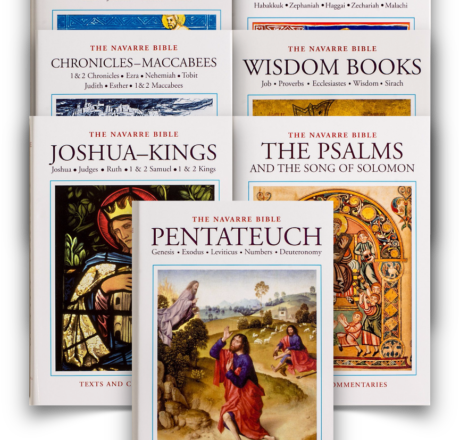
12:20-33. The tribes of the North, severing their links with the house of David, proclaim Jeroboam king in a manner similar to the way Saul was elected (cf. 1 Sam 11:15). Rehoboam, Solomon’s son and successor, eventually bows to the inevitable because he sees it must be the Lord’s will (v. 24).
But more serious than the political split is the religious split, as described here. It looks like a return to the idolatry of the golden calf (Ex 32:1-5).
By pointing out that the priests at these shrines or sanctuaries were not Levites, the sacred writer is at pains to stress that the worship carried out there was unlawful. And he is making the same point when he says that Jeroboam established a feast (v. 32) of his own making instead of keeping the feast of Tabernacles that was celebrated in Jerusalem.
In the story of Jeroboam the great Christian writer Origen sees an example of those who, by imprudently delving into human philosophies, risk abandoning Christian truth. The Israelites (of old), Origen explains, went down into Egypt and, taking the things sacred to the Egyptians and inspired by divine wisdom, they used them to honor God. But Holy Scripture “wanted to show symbolically how living together with the Egyptians became an occasion of sin for some; that is, to show how the knowledge of this world became a temptation to evil for some of those who had been formed in the law of God and the worship that the Israelites were to give him. For as long as Jeroboam lived in the land of Israel and found the bread of the Egyptians distasteful, he did not build idols. But when he went down to Egypt, in flight from wise Solomon--as if in flight from the wisdom of God himself--and became a kinsman of the pharaoh [...], although he later returned to the land of Israel, he came only to bring disunity to the people of God and to force them to say, ' Here are your gods...'" (Origen, "Ad Gregorium", 2).
13:33-34. Despite seeing the fulfillment of the oracle of the man of Judah (cf. 13:5-7), and even though a prophet of Bethel ratified what that man said (cf. 13:32), King Jeroboam persisted in his line of conduct. The terrible outcome (v. 34) makes one ponder the grave consequences of persisting in sin, because, as Scripture often reminds us and St John Chrysostom explains, “what angers and offends God, more than sin itself, is that sinners show no sorrow for their sins” ("Homiliae in Matthaeum", 14, 4).
From: Mark 8:1-10
Second Miracle of the Loaves
----------------------------
[1] In those days, when again a great crowd had gathered, and they had nothing to eat, He (Jesus) called His disciples to Him, and said to them, [2] "I have compassion on the crowd, because they have been with Me now three days, and have nothing to eat; [3] and if I send them away hungry to their homes, they will faint on the way; and some of them have come a long way." [4] And His disciples answered Him, "How can one feed these men with bread here in the desert?" [5] And He asked them, "How many loaves have you?" They said, "Seven." [6] And He commanded the crowd to sit down on the ground; and He took the seven loaves, and having given thanks, He broke them and gave them to His disciples to set before the people; and they set them before the crowd. [7] And they had a few small fish; and having blessed them, He commanded that these also should be set before them. [8] And they ate, and were satisfied; and took up the broken pieces left over, seven baskets full. [9] And there were about four thousand people. [10] And He sent them away; and immediately He got into the boat with His disciples, and went to the district of Dalmanutha.
***********************************************************************
Commentary:
1-9. Jesus repeats the miracle of the multiplication of the loaves and the fish: the first time (Mark 6:33-44) He acted because He saw a huge crowd like "sheep without a shepherd"; now He takes pity on them because they have been with Him for three days and have nothing to eat.
This miracle shows how Christ rewards people who persevere in following Him: the crowd had been hanging on His words, forgetful of everything else. We should be like them, attentive and ready to do what He commands, without any vain concern about the future, for that would amount to distrusting Divine Providence.
10. "Dalmanutha": this must have been somewhere near the Lake of Gennesaret, but it is difficult to localize it more exactly. This is the only time it is mentioned in Sacred Scripture. In the parallel passage in St. Matthew (15:39) Magadan (sometime Magdala) is mentioned.
Disclaimer: Opinions posted on Free Republic are those of the individual posters and do not necessarily represent the opinion of Free Republic or its management. All materials posted herein are protected by copyright law and the exemption for fair use of copyrighted works.