Posted on 04/25/2026 8:28:59 AM PDT by xxqqzz
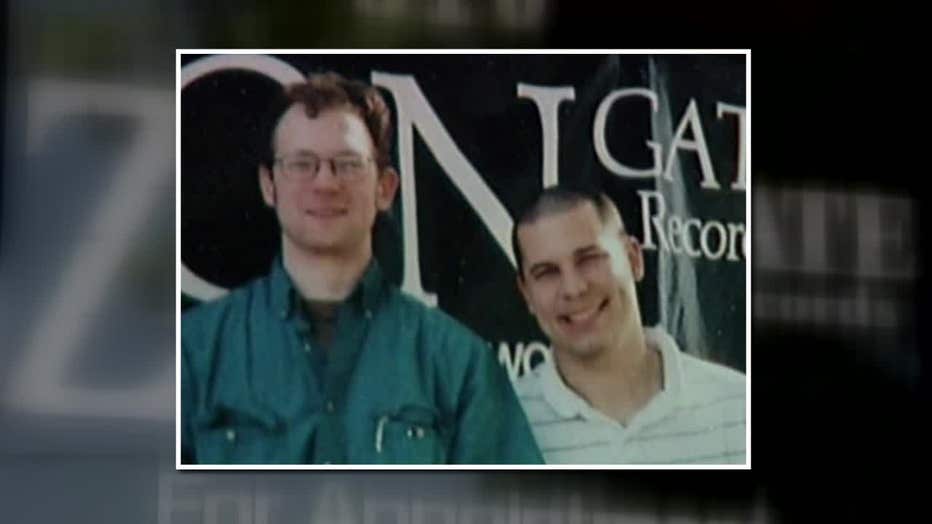
When he was 19, James Broadnax jotted down rap lyrics, thoughts and even job leads in a notebook that would become evidence at his capital murder trial.
Prosecutors selected lyrics with alleged references to gang affiliation and shootings to convince jurors that instead of life in prison, Broadnax, who is Black, should be put to death after his conviction — a move his lawyers argue biased the almost all-white jury.
Broadnax isn’t the only defendant or even the only person on Texas’ death row whose rap lyrics have been introduced to a jury. Rap lyrics have featured in hundreds of court cases in more than 40 states over the past 50 years, though judges often exclude other forms of creative expression from being used as evidence, researchers have found. Treating rap lyrics as diary entries minimizes their artistic value while playing on negative racial stereotypes to influence jurors, experts say.
“It denies rap music the status of art. It is characterized as autobiography,” said Erik Nielson, co-author of the book “Rap on Trial.” “It really does speak to underlying assumptions that some people have about young men of color — and that’s almost exclusively who this practice targets — that they aren’t sophisticated enough to engage in various literary devices. That there isn’t metaphor here.”
Rap lyrics are commonly used in racketeering or gang-related cases. Prosecutors try to establish the defendant’s involvement in an underlying crime by introducing lyrics as evidence, Nielson said. If someone is charged with a shooting, for example, prosecutors look for lyrics that mention a shooting.
“If the lyrics were written before the alleged crime, the prosecutors will say this is evidence of motive,” Nielson said. “If they’re written afterward, they’re characterized as a straight-up confession.”
(Excerpt) Read more at fortune.com ...
Prosecutors selected lyrics with alleged references to gang affiliation and shootings to convince jurors
“If the lyrics were written before the alleged crime, the prosecutors will say this is evidence of motive,” Nielson said. “If they’re written afterward, they’re characterized as a straight-up confession.”
So writing a song about a murder you committed shouldn’t be used as evidence because it diminishes the song’s artistic value, and it’s RACIST.
“Rap” is doggerel, not art.
“It denies rap music the status of art.”
Appropriately so.
Guilty as charged and his rap lyrics told the story.
“Whitey on the Moon” might be art but rap is as much art as “Kill My Landlord”.
As it should be. cRap is the anthem of a culture that preaches disrespect, violence, criminality and wanton disregard for the most sacred precepts of the dominant culture. It purports to be a law unto itself and those who follow it deserve to be treated as outlaws.
“though judges often exclude other forms of creative expression from being used as evidence”
Common sense says that all forms of creative (and non-creative expression) should be treated equally. The prosecution should have the burden to prove the relevance of whatever expression the the committing of the crime.
Finally - Rap lyrics lead to a well-deserved murder rap.
Farrokh Bulsara Confessed to a murder and was never charged.
“Mama, just killed a man
Put a gun against his head, pulled my trigger, now he’s dead”
instead of execution, they could simply play rap music 24/7 in his prison cell
(sorry I forgot, that would constitute Cruel and Unusual punishment)
April 30 can’t come soon enough.
The article needs to give examples. And I would guess some judges also exclude rap from being used.
Who are those guys?
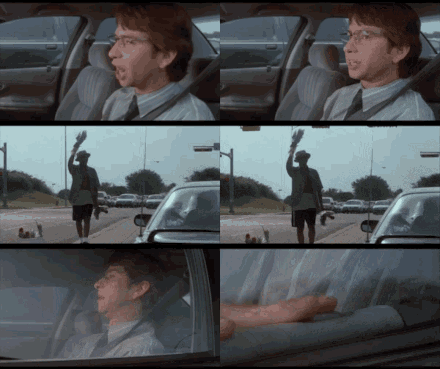
"I've got my pistol pawn cocked....Ready to lick shots nonstop until I see your monkey-ass drop!"
And Johnny Cash shot a man in Reno just to watch him die.
Reporter: What do you say to the people who say that your lyrics are racist?
Rapper: I don’t know what they’re talking about
Reporter: On your most recent album there’s a song called “Kill Whitey”
Rapper: Oh! That’s about our last manager Whitey Johnson.
Reporter: Isn’t this the same manager that ended up dead under mysterious circumstances?
Rapper: We don’t know nothin’ ‘bout that. We was out of town when that sheet went down!
One of the only good parts of the movie “Fear of the black hat”.
Disclaimer: Opinions posted on Free Republic are those of the individual posters and do not necessarily represent the opinion of Free Republic or its management. All materials posted herein are protected by copyright law and the exemption for fair use of copyrighted works.