Posted on 12/09/2020 9:30:40 PM PST by xomething
An Ohio bill recognizing the humanity of unborn babies killed in abortions is on its way to Gov. Mike DeWine’s desk after the state Senate passed it Wednesday.
The final vote on the Unborn Child Dignity Act was 23-7, according to Cleveland.com. The state House passed the bill last week, and DeWine, a pro-life Republican, is expected to sign it into law.
“This important piece of pro-life legislation is now headed to the Governor’s desk!” Ohio Right to Life wrote on Twitter after the vote.
The legislation requires the Ohio Department of Health to establish rules for the proper and humane burial or cremation of unborn babies who are killed in abortions. It creates penalties for violations and requires abortion facilities to pay for the babies to be cremated or buried.
Such laws not only ensure that aborted babies’ bodies are treated with dignity and respect, they also are a safeguard against abortion facilities trying to sell aborted baby body parts.
“Whether pro-life or pro-choice, everyone should be able to agree that the bodies’ of babies should never be thrown into the trash,” said Mike Gonidakis, president of Ohio Right to Life, earlier this month. “The unborn victims of abortion deserve the same basic decency that we afford to all humans: a dignified burial.”
Gonidakis said the legislation is necessary until the Supreme Court allows states to protect unborn babies from abortions once again.
“Although we look forward to the day when we no longer have to lay to rest the broken bodies of Ohio’s abortion victims, we are proud to say that our state has taken another step towards recognizing not only the humanity of the unborn, but of ourselves as well,” he continued. “Human decency requires that we treat every member of our human family with respect, something that, even in death, the innocent unborn will now be afforded.”
Pro-abortion groups lobbied against the bill, claiming it would just shame women and abortion workers. NARAL Pro-Choice Ohio executive director Kellie Copeland argued that the legislation could “put lives at risk” by limiting access to abortion – even though abortions do not save lives, they destroy them.
Pro-life state lawmakers introduced similar legislation in 2015, after the release of viral undercover videos in which top officials at Planned Parenthood were caught discussing the trade of aborted baby body parts. Later, the Ohio Attorney General’s office discovered that Planned Parenthoods in Ohio contract with waste disposal companies that deposit the remains of aborted babies in landfills.
Neighboring Indiana passed a similar law when Vice President Mike Pence served as governor and later won a victory at the Supreme Court in 2019.
The Indiana law established rules about how abortion facilities must dispose of aborted babies. It allows the pregnant woman to choose a different method at her own expense. According to testimony, the Indianapolis Planned Parenthood facility was disposing of aborted babies down a drain into the sewer system; in response, the Indiana State Department of Health (ISDH) implemented emergency disposal rules but they were blocked.
This is really good news.
But the consequences of the 75 million (nationally) we have already tortured to death, will be both natural and spiritual.
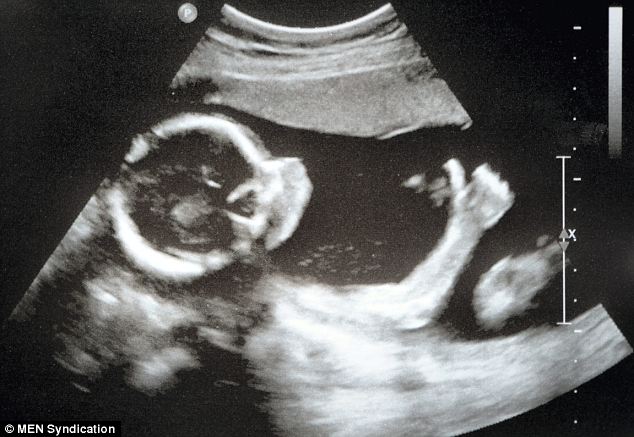
The thumbs up was pretty cool!
Sure,after they are dead.
Ohio has a Republican swamp larger then DC.
They will give you bills like this. Makes you feel good but doesn’t stop the murder.
Typical GOP grandstanding.
We can prevent CW2 by pushing Sanctuaries for conservative values.
Liberals already set the precedent with cities and states where cops were punished for cooperating with border patrol. Create Sanctuaries for freedom of speech or more Second Amendment sanctuaries, and arrest liberal fascists who attempt to violate our rights.
And pro-life Sanctuaries already exist, too.
Disclaimer: Opinions posted on Free Republic are those of the individual posters and do not necessarily represent the opinion of Free Republic or its management. All materials posted herein are protected by copyright law and the exemption for fair use of copyrighted works.