Posted on 05/04/2026 8:05:05 AM PDT by MtnClimber
The government is in negotiations with French Engie to take over the seven nuclear plants the company manages in Belgium.
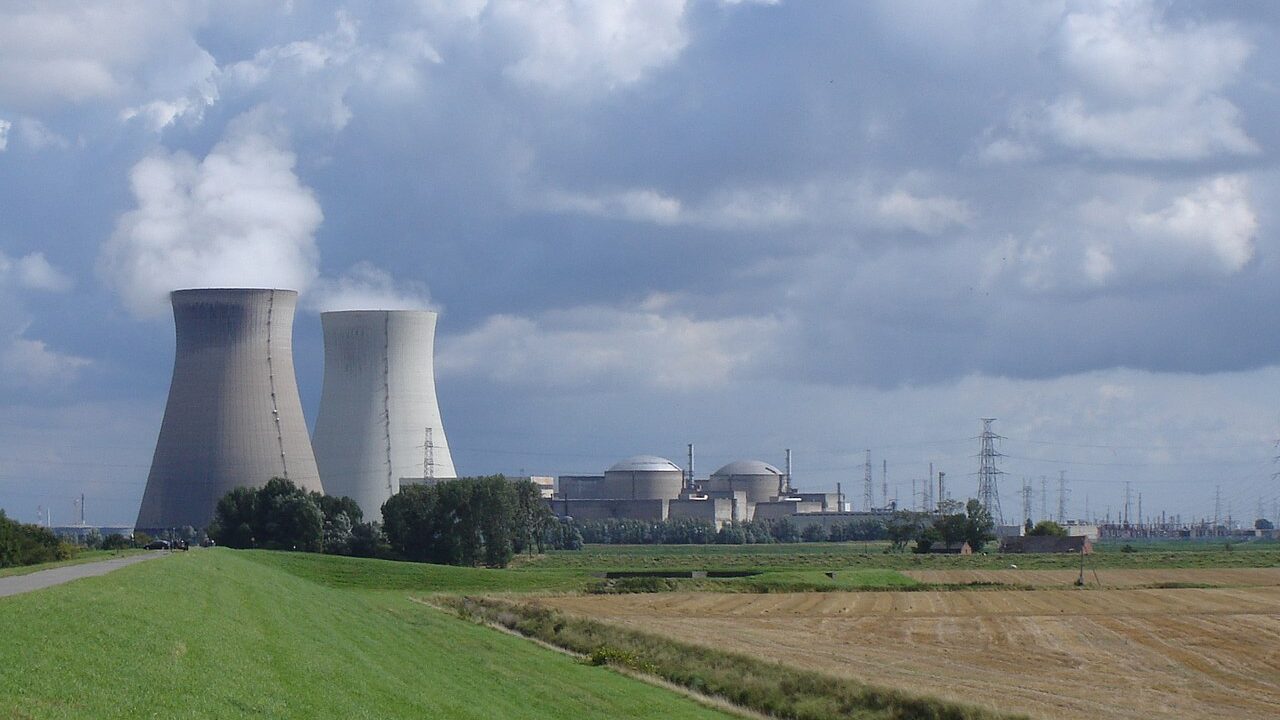
Doel Nuclear Plant in Doel, East Flanders, Belgium.
In a significant policy shift, Belgium is moving to bring its nuclear power plants under state control. The government says it plans to buy the country’s entire nuclear fleet from French energy company Engie, calling it a key step to secure long-term energy supplies.
Prime Minister Bart De Wever said the move is about stability at a time when Europe is dealing with shaky energy markets and geopolitical tensions. “This government is choosing safe, affordable and sustainable energy,” he said in a post on X, pointing to reduced reliance on imported fossil fuels.
The two sides signed a letter of intent on April 30 to start negotiating a full takeover. That would include all seven reactors, along with staff, infrastructure, and long-term responsibilities like nuclear waste management.
As part of the plan, Belgium is also putting the brakes on shutting down some reactors that were due to be phased out. Only two of the country’s reactors are still functioning—the ones in Doel and in Tihange, whose licenses have already been extended to 2035. The remaining five reactors have been taken off-line and were slated for decommission, a decision that has now been put on hold to potentially reopen them. That effectively pauses a nuclear exit strategy that dates back to the early 2000s, when safety and environmental concerns drove policy.
The new policy shift comes after the latest energy shocks in Europe, following the Russian invasion of Ukraine as well as the Iran crisis surrounding the Hormuz Strait, which exposed how dependent Europe is on imported energy.
For Engie, the deal would mark a step away from nuclear power—a step the company has expressed a desire to take.
“Engie has taken the decision to exit the nuclear sector,” De Wever told VRT News. “We respect that, but a country with nuclear ambitions and an operator that wants out is not a good combination.”
For Belgium, it’s an opportunity to extend reactor lifespans. But it won’t be simple or cheap. Talks are expected to be complicated, with costs for maintaining or restarting older reactors potentially reaching hundreds of millions of euros and timelines stretching from one to five years.
The announcement has drawn sharp criticism from environmental groups and opposition parties, who have raised concerns about aging reactors and the burden on taxpayers. The head of the Flemish Greens, Aimen Horch, called the plan “irresponsible spending of billions,” and has requested clarifications regarding the expected costs from De Wever.
Supporters, meanwhile, argue that nuclear power remains a reliable source of low-carbon power at a time when Europe is under pressure to diversify away from imported fossil fuels.
Negotiations are set to continue over the coming months, with both sides aiming for a final agreement by October 1. The outcome could ripple beyond Belgium, feeding into a wider European debate. In March, European Commission president Ursula von der Leyen called Europe’s earlier move away from nuclear power a “strategic mistake,” as rising global energy tensions renewed concerns about the European Union’s long-term energy security.
Central planning, Central Control. All done by people who never built anything in their entire lives.
Lemme guess...they plan to shut them down.
My guess is that they want to be the ones who ration power. They get to be the ones to pick winners and losers. And the people running the plants will be political appointees who know nothing about running a Nuclear Power Plant. Maintenance will not be funded and the plants will fall into disrepair.
San Antonio can probably give them pointers.
https://en.wikipedia.org/wiki/CPS_Energy
CPS Energy (formerly City Public Service Board of San Antonio) is the municipal electric utility serving the city of San Antonio, Texas. Acquired by the city in 1942
https://www.mysanantonio.com/news/local/article/cps-energy-power-plants-21065032.php
The French are probably ahead of the USA on nuclear power plants.
For sure way ahead of the rest of the world.
The fastest way to make something more expensive and more inefficient is to nationalize it.
The company views further investment in aging Belgian reactors, characterized by political uncertainty and open-ended decommissioning costs, as misaligned with its core business goals.
Key reasons for Engie’s exit include:
Strategic Realignment: Engie is focusing on assets like the £14 billion acquisition of UK Power Networks and its Deep Sky carbon removal partnership, prioritizing growth in regulated infrastructure and low-carbon technologies over legacy nuclear operations.
Cost and Liability Management: Engie seeks to reduce exposure to long-dated nuclear risks and simplify its balance sheet, having already transferred significant waste liabilities to the Belgian state in previous negotiations.
Operational Focus: The utility has signaled "little interest in maintaining nuclear assets," preferring to disengage from the politicized and capital-intensive nature of nuclear energy to avoid potential future taxes or regulatory changes.
Reading between the lines, I'm guessing that (1) somebody at Engie has run the numbers on decommissioning and recommissioning and didn't like what they saw, and (2) management is no longer willing to risk the cost of the shifting political winds, realigning to "safe" (meaning politically safe, i.e. approved by the Greens) alternate energy. They've already shifted waste liability over to the state. If I were a Belgian taxpayer I might be a little nervous right about now.
The power will go to the corporations that make the largest campaign contributions.
Thanks, good information. I also had the thought that state ownership would get the political uncertainty/risk off the back of the owners.
I imagine Engie will work a “Services Contract” with Brussels to keep the plants running without the risk of uncertain government requirements. After all, the government will not impose unreasonable requirements on themselves. Engie has worked out a deal that is likely the best of both worlds.
I must add that I always enjoy your insightful posts. I don’t always agree, but usually do.
Given the track record of nationalization better get your Belgian Chocolates and your Brussel Sprouts while they’re not hot!
Belgium can afford to do this?!
With whose money??
With whose money??
Leftists don't do maft.
Disclaimer: Opinions posted on Free Republic are those of the individual posters and do not necessarily represent the opinion of Free Republic or its management. All materials posted herein are protected by copyright law and the exemption for fair use of copyrighted works.