Did I miss that history class?"
It was a short class, so maybe, yes... ;-)
In fact the Imperial German high command began making plans to invade the US in 1897, there were three different plans, the last in 1906.
None were serious, all were "thought exercises", what today are called "contingency plans" of which we might suppose the US Pentagon has thousands, for every conceivable future situation.
During the Second World War German U-boats sank US ships, including naval ships (i.e., USS Rubin James, sunk October 31, 1941), which President Roosevelt tried to use to interest Americans in declaring war on Germany, but Americans were not having it.
After Pearl Harbor German attacks on US shipping increased drastically, and there was even a landing of special agents (Operation Pastorius) on Long Island, NY, hoping to blow up something important.
The Japanese, of course, did not just attack at Pearl Harbor, but also invaded US territories like the Philippines, Guam, Wake and Alaska.
Before Pearl Harbor something like 80% of Americans opposed US entry to WWII, after Pearl Harbor it was almost unanimous in favor of war.
As for making war on Germany, Hitler made that choice easy -- he declared war on the US on December 11, 1941.
U-522 (Type VII) sank the destroyer USS Rueben James, October 31, 1941.
That did not move US public opinion towards war with Germany: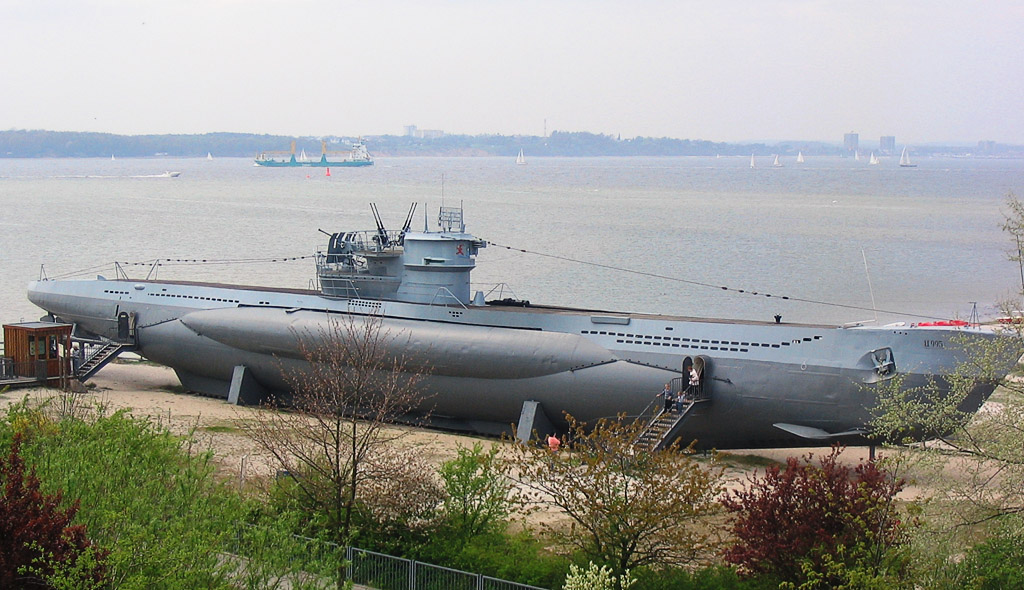

>