Posted on 09/30/2020 6:49:53 PM PDT by karpov
Abstract
Since 1977, U.S. states have passed laws steadily raising the age for which a child must ride in a car safety seat. These laws significantly raise the cost of having a third child, as many regular-sized cars cannot fit three child seats in the back. Using census data and state-year variation in laws, we estimate that when women have two children of ages requiring mandated car seats, they have a lower annual probability of giving birth by 0.73 percentage points. Consistent with a causal channel, this effect is limited to third child births, is concentrated in households with access to a car, and is larger when a male is present (when both front seats are likely to be occupied). We estimate that these laws prevented only 57 car crash fatalities of children nationwide in 2017. Simultaneously, they led to a permanent reduction of approximately 8,000 births in the same year, and 145,000 fewer births since 1980, with 90% of this decline being since 2000.
Keywords: Family Formation, Fertility, Car Seats, Safety Regulations
JEL Classification: J13, J18, R41
(Excerpt) Read more at privpapers.ssrn.com ...
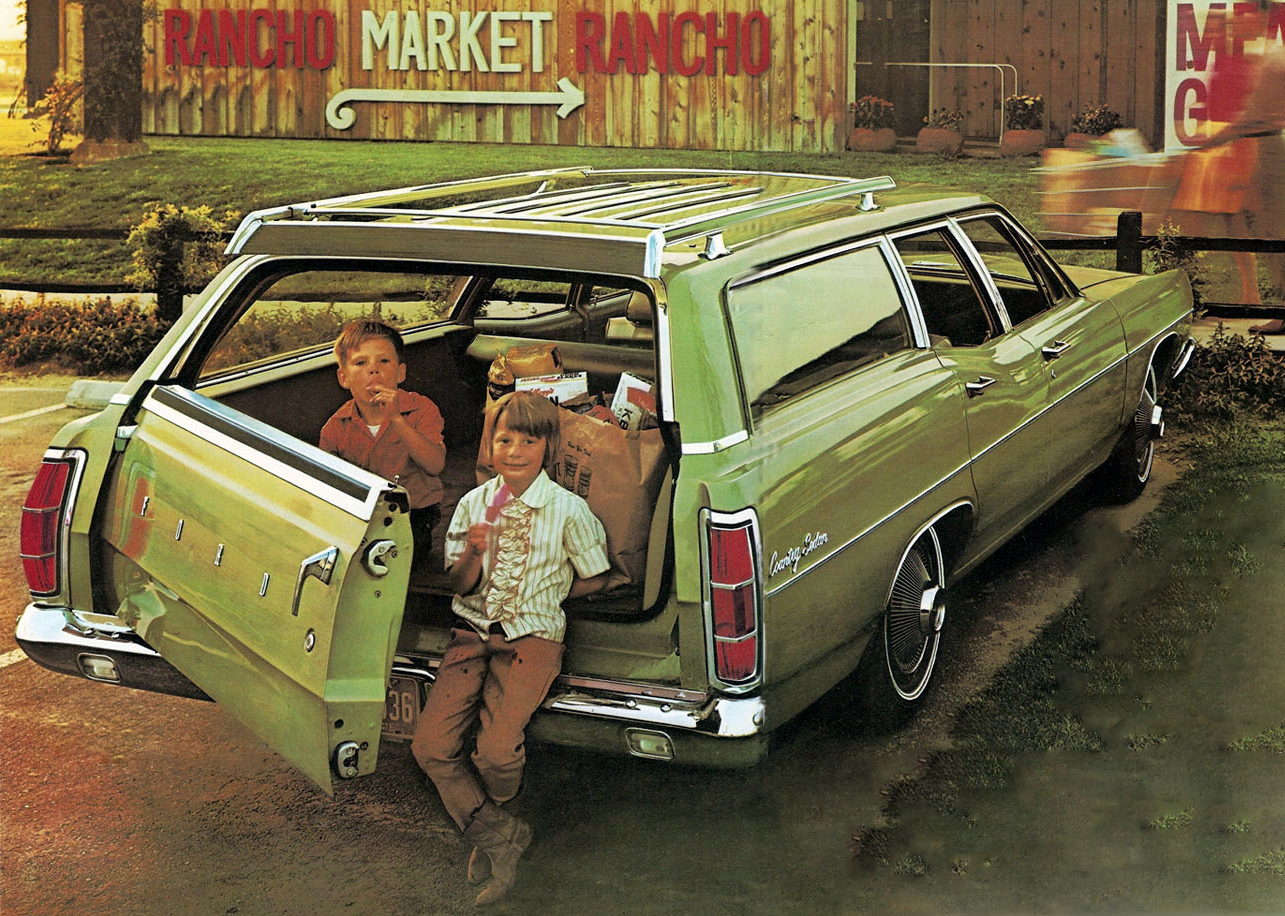
Thats what the back area of a van or suv is for. Thats the open play area, just like the family station wagon had.
Most now come with a roll-up cover to hide the kids.
The law of unintended consequences.
250 grand per kid by 18.
Consider the medical issues many have growing up.
Its not inexpensive.
I know a couple who have 12 children. I’d say half the kids are in the car seat ages. They manage somehow. Big old SUV of some sort.
Also was the last period of the drive in theaters and submarine races of Saturday nights.
Not much can happen in these modern lunch box cars.
My grandfather had an old Checker. Maybe early ‘60’s? It had little foldaway jump seats in the back, as well as the regular back seat. Dad remembers standing up in the back, the roof was so high. It was in the wedding party when my aunt got married, and a photo shows six bridesmaids in that thing.
That train of thought was completely what came into my mind...
hell, even wiout car seats playing in the Camaro was always a cross tween sexual athletics and self abuse
yup... see #10
Judging by the title alone, I thought that involved the demise of front bench seats and of reasonably priced cars with dark, cavernous rear seating (for example, a 1970 Impala).
And, of course, the end of the drive-in era.
I have heard that, with difficulty, these things can be done in Gen 1 and 2 Camaros.
If I had my second daughter first, there wouldn’t have been a second child.
The best contraceptive in the world is a 7th grade daughter. It gives me chills just thinking about it now.
Back of the pick up truck.
Hey! It had a cab over it. The parts would be easy to find.
Damn baby seats should also cause contraception just for the evidence that they cause child DEATHS.
All the outrage over people leaving children in cars. No coincidence that we whine about this in the age of back-seat kid restraints. Where they can be forgotten and often not even seen.
“hell, even wiout car seats playing in the Camaro was always a cross tween sexual athletics and self abuse.”
I had a ‘68 Barracuda. One of the first Detroit cars to have a fold down rear seat and a fold down partition to the trunk, a good 6X4 flat “storage” area. Trouble was, I wasn’t too good with the ladies!
“Not much can happen in these modern lunch box cars.”
The following is true: I had a friend witha late 60’s commercial Econoline with a waterbed behind the two front seats. With a waterbed made before they were made with baffles, this was a terror to drive. That POS got maybe 10 MPG without a waterbed and the waterbed hardly made a difference,
I drove an MG Midget, which shows just how strong the procreative urge can be...:)
yup, later gens wi fold down seats and hatchbacks were much easier
Disclaimer: Opinions posted on Free Republic are those of the individual posters and do not necessarily represent the opinion of Free Republic or its management. All materials posted herein are protected by copyright law and the exemption for fair use of copyrighted works.