There were local variations of course, depending on the strength and nature of the local plantation economy, but the importance of slavery in the South ought not to be minimized."
FLT-bird: "That is a massive overestimate.
Even most PC Revisionists claim 20% to 25% and I doubt it was that high.
They do this by taking the total number of slave owners (5.63% of the White population) and then just extrapolating an average family size.
Of course, they don't account for the fact that there could be multiple slave owners in one family (that would reduce the number of families which owned slaves so it would be inconvenient for them).
The large majority of White Southern families did not own any slaves."
Seriously, almost any % number you want to chose can be justifiably argued, depending on how you define and who you count, or don't count.
The 1860 census numbers are well known and not disputed.
But how those numbers get interpreted can often reveal a person's biases and loyalties.
Here are the actual 1860 census numbers by region showing household sizes and % of slave ownerships:
Average % of Households Holding Slaves, by Region -- 1860 Census
| Region | Free population | Enslaved population | Freedmen (free Blacks) | Free Households | Free people per household | % households owning slaves | Avg. enslaved per slaveholding household |
|---|---|---|---|---|---|---|---|
| Free States / Territories | 18,810,000 | 0 | 226,000 | 3,610,000 | 5.21 | 0.0% | — |
| Border States | 2,710,000 | 430,000 | 129,000 | 490,000 | 5.56 | 15.9% | 5.55 |
| Upper South | 2,930,000 | 1,210,000 | 96,000 | 530,000 | 5.50 | 25.3% | 8.95 |
| Deep (Lower) South | 2,660,000 | 2,310,000 | 36,000 | 490,000 | 5.37 | 36.7% | 12.74 |
| TOTAL (U.S.) | 27,110,000 | 3,950,000 | 487,000 | 5,120,000 | ≈ 5.3 | ≈26% of Southern households | ≈10 |
The first thing to point out here is that regional averages hide the extremes:
- 49% of Mississippi households owned slaves
- 3% of Delaware households owned slaves.
Likewise, it's entirely fair to say that overall ~75% of Southern households did not own slaves, but that number ranged from 97% in Delaware to only ~50% in Mississippi.
Methodologically:
- The 1860 census counted households, not nuclear families.
- Households did not include slaves but did include anyone living there, related or not.
- In the South, households were typically all related, while in the North, households could include borders or hired hands.
- Yes, the claim that some households included multiple slaveholders is true, but it's just as true that some slaveholders owned slaves in multiple households.
But both cases were rare, and so the overall averages remain valid.
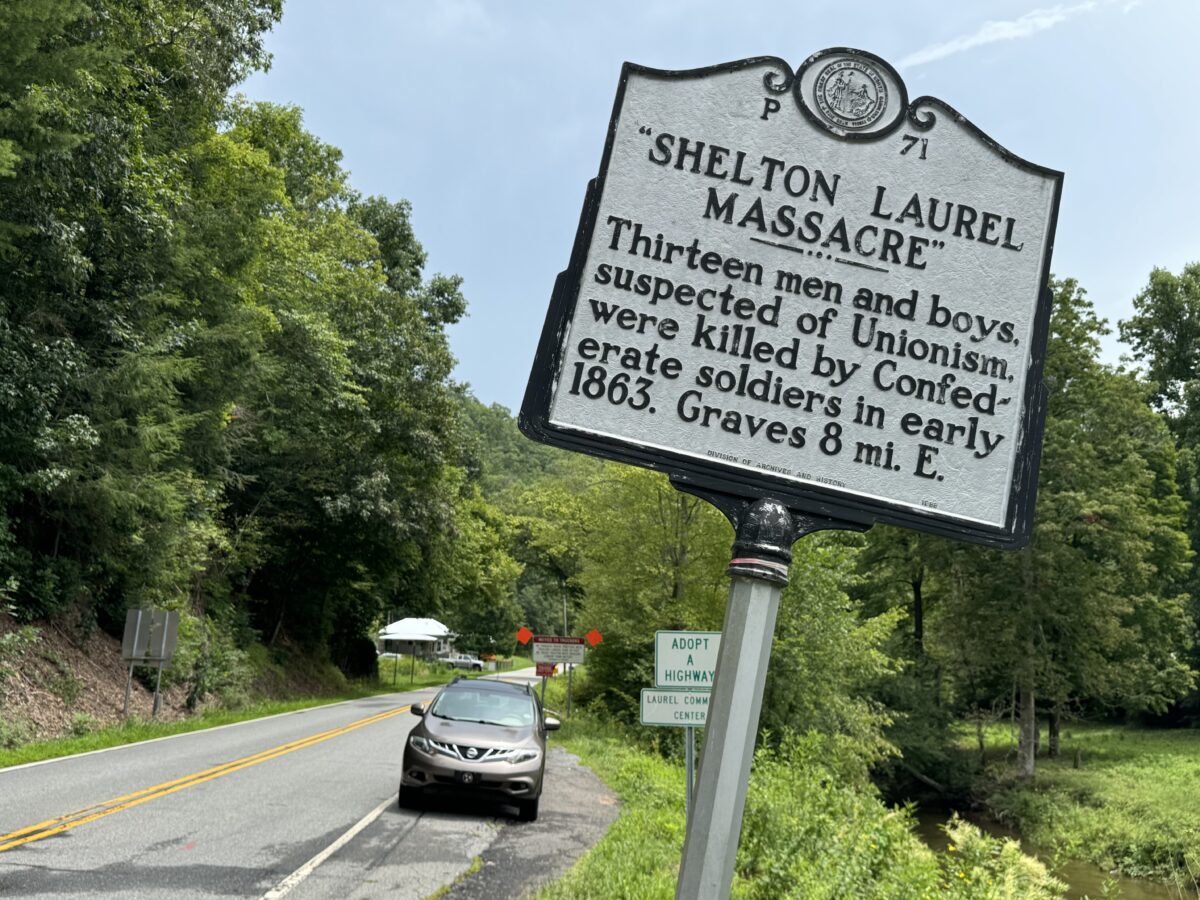 Finally, especially in Deep Cotton South states, it's utterly disingenuous to suggest that slavery was not intimately woven into the fabric of the "Southern way of life" in 1860.
So virtually everyone who joined the Confederate army or participated in Confederate government was embedded in the South's "Peculiar Institution".
And yes, there were many white Southerners who strongly opposed slavery and the CSA -- they formed majorities in places like
- Western Virginia,
- Eastern Kentucky,
- Western North Carolina,
- Eastern Tennessee,
- Northern Alabama,
- Northern Arkansas and the
- Texas Hill Country.