 Owen: "CTL and GTL plants have been explored in the literature as a counter to grinding scarcity.
The quickest phrase about them is . . . they don’t scale.
Oil consumption is 102 million barrels/day globally.
You can’t scale to that magnitude."
You don't have to scale any one alternative to match 100 million barrels per day.
Instead, there's a long list of alternatives, each of which can provide a few million barrels of oil-equivalent per day.
The biggest of those is converting gas- & diesel-powered vehicles to electric power.
This can be done by roughly doubling today's number of nuclear power plants, or equivalents gas or coal fired electricity generation.
Other alternatives include biofuels, algae-fuels, coal liquefaction and ammonia to replace bunker fuel for large cargo ships.
The list goes on -- higher fuel prices will increase US railroads usage, saving 1 million barrels per day, while converting railroad engines from diesel-electric to electric powered and also doubling railroad milage to what it was back in 1900 could reduce another 1/2 million barrels.
Electric powered train engine:
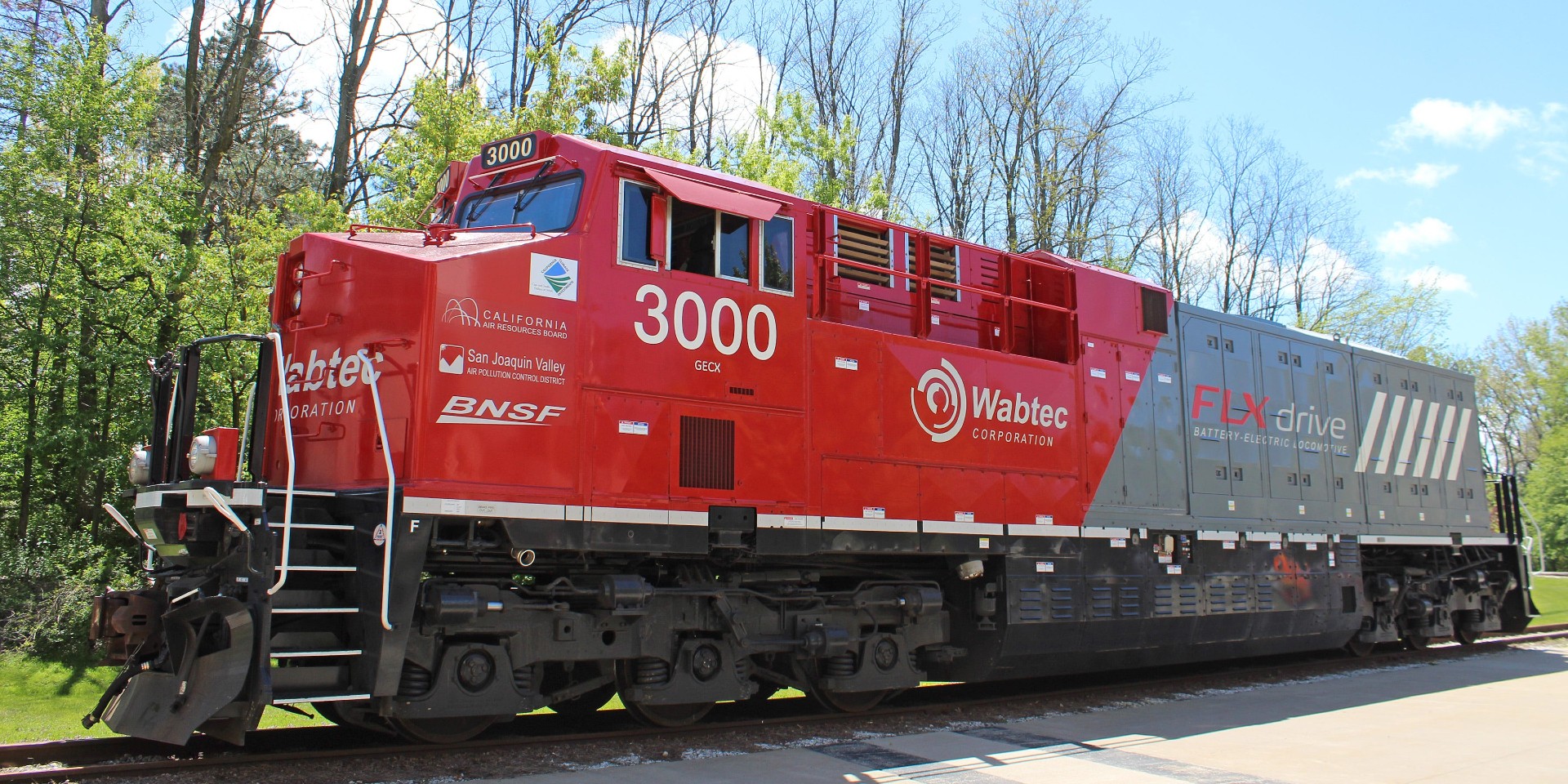 None of these alone solves the problem, but all of them together, over time, can replace oil that is past "peak oil" and gradually decreasing in volumes while increasing in price.
Owen: "Ask an AI how much food in the US is transported to grocery store shelves by electric truck.
The reply will be hopeful verbage about proposals and methodologies, all before the crushing “there is no indication of any substantial food transport to shelves via electric truck”."
Of course not, today, but if or when oil becomes scarce and prices grow higher, then conversion from diesel to electric would only take a few years.
Which part of this are you not understanding?